Executive Chef at Parker Palm Springs
Pedro Baroso
,
You’ve cooked in Dubai, Istanbul, Maui, Washington, D.C., and now the California desert. How do you decide what a place’s food identity actually is, versus what guests expect it to be? And where does that tension show up most at Parker?
Every place already has its own rhythm before you arrive. Guests may come with expectations, but I think a chef's responsibility is to understand what the place actually is beneath that. In Dubai, luxury was very polished and ambitious. In Maui, people wanted a stronger connection to nature and simplicity. In Washington, there was more structure and tradition. Palm Springs is interesting because people arrive with this fantasy of glamour and escape already in their minds. At Parker, the tension comes from balancing that old Hollywood feeling with modern California dining. Guests want indulgence, but they also want freshness and seasonality. We try to respect both.
Parker has a very specific aesthetic identity, namely mid-century Hollywood glamour. How conscious are you of cooking within that world? Does the room shape the food, or do you try to resist that?
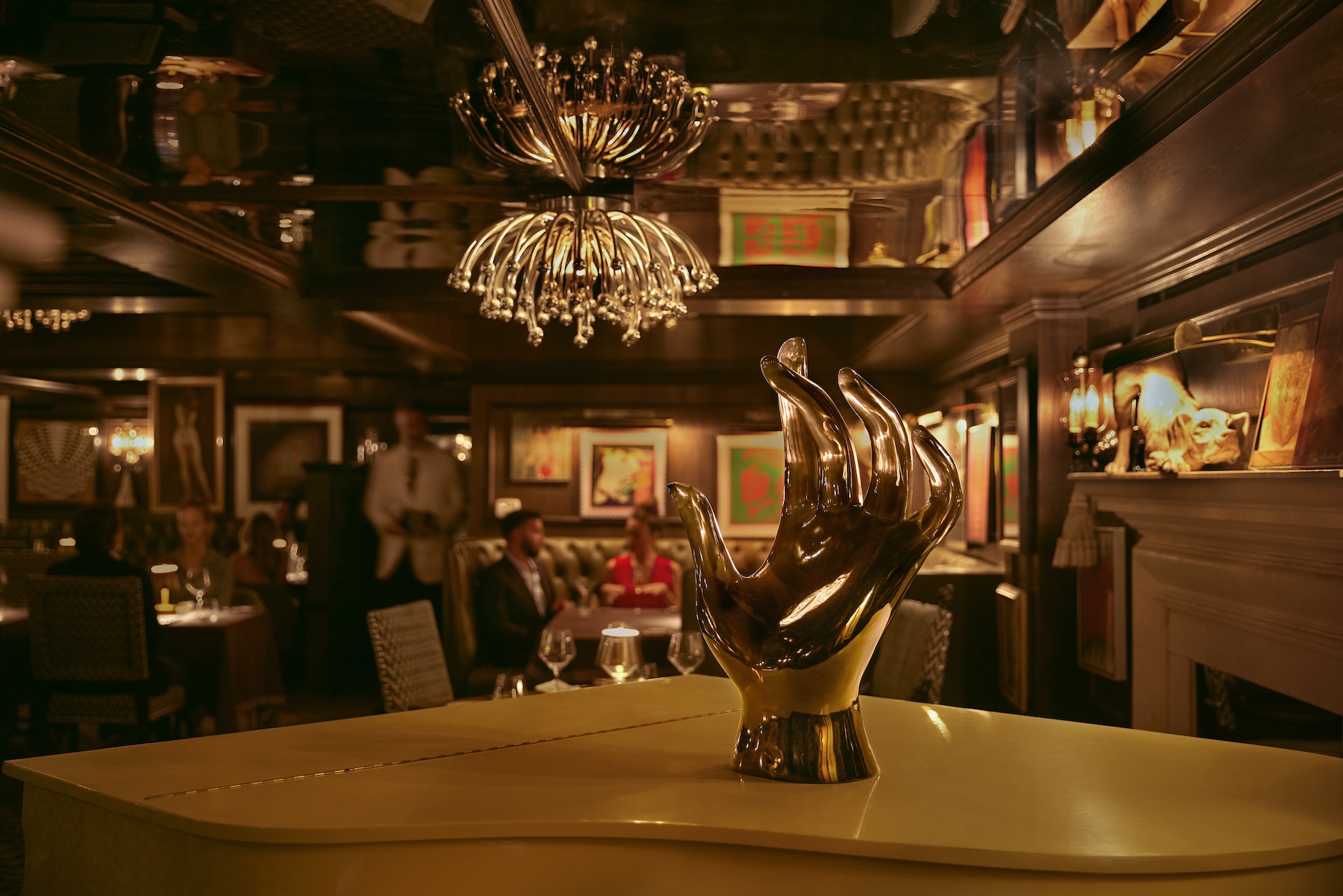
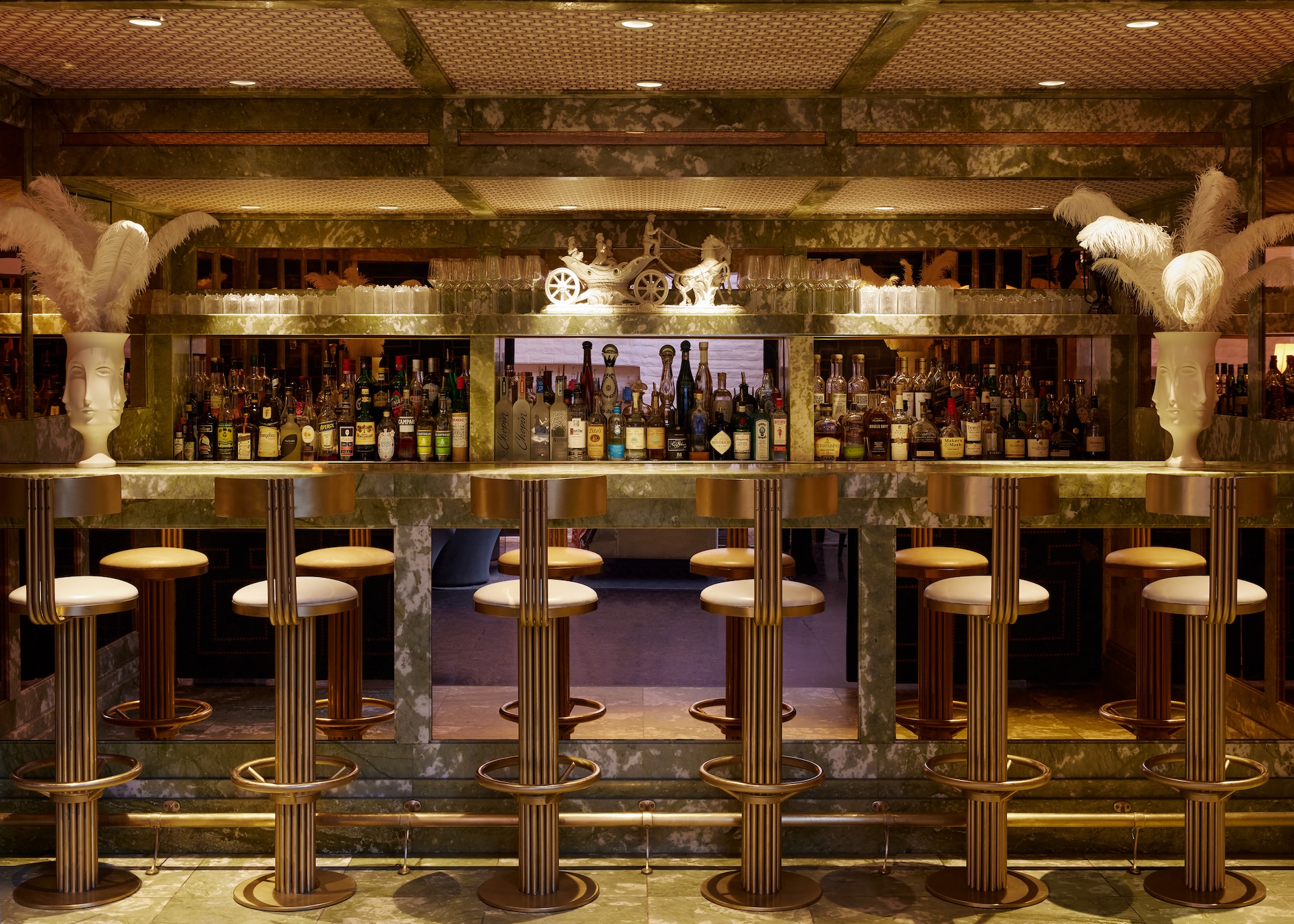
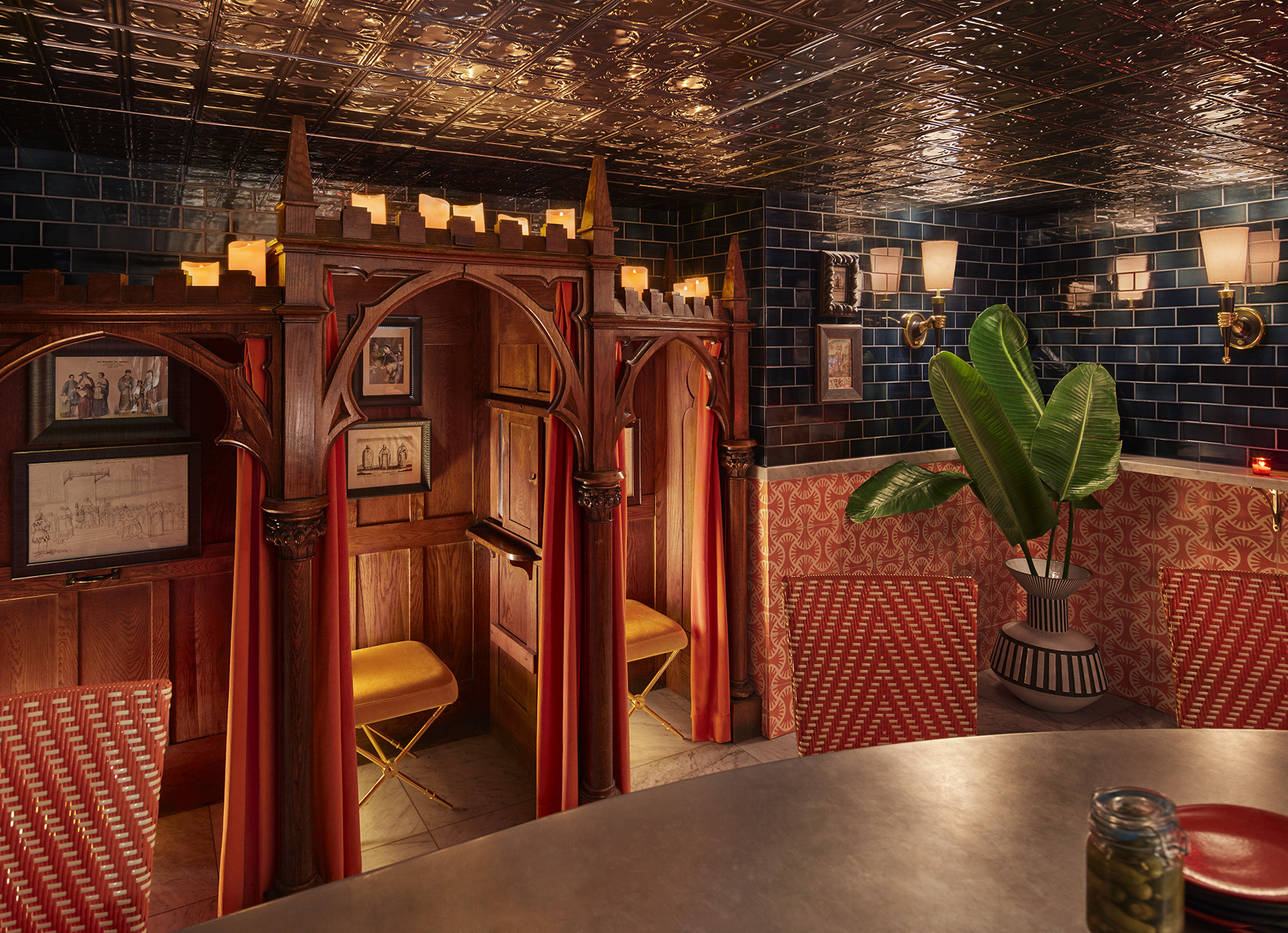
The space absolutely shapes the food. At Parker, especially at Mister Parker’s, the atmosphere is part of the experience. The lighting, the music, the intimacy, the drama—all of that influences how people want to eat and drink. Certain dishes naturally belong in that environment, like rich sauces, martinis, caviar, beautiful steaks, table-side moments.
Hotel restaurants are often stereotyped as playing it safe. How do you think about that tension at Parker, particularly across three very different venues?
Each restaurant at the Parker has its own personality. Norma’s is energetic and playful. Counter Reformation is intimate and wine-driven. Mister Parker’s is emotional and theatrical. The goal is not to play safe; it is to be very clear about what each space is supposed to feel like. Once guests understand that identity, the food becomes much more natural.

You've spoken about wanting the restaurants to serve both hotel guests and the local community. In practice, how equal is that relationship?
It has to be equal. If a restaurant exists only for hotel guests, it eventually loses its connection to the community. Locals are among your most important guests because their loyalty is earned over time, and their expectations keep you grounded in delivering genuine quality. They notice consistency, details, and changes. Hotel guests bring different energy because they are discovering the estate for the first time. Ideally, both groups feel comfortable in the same room without feeling like the restaurant belongs more to one than the other.
Norma's is almost a cultural institution at this point. Is there a version of that menu you'd like to make that you can't because of what Norma's has come to mean?
Norma’s has become emotional for many people. Guests come back and order the same dishes they have been eating for years, and there is something very special about that. Creatively, there are moments where you think about changing things more dramatically or making the menu more refined, but part of being a chef is understanding that some restaurants belong to the guests as much as they belong to you. My role is to protect that feeling while still evolving the menu carefully over time.
Counter Reformation is the most intimate of the three spaces. What does that room ask of you that, say, Mister Parker's doesn't?
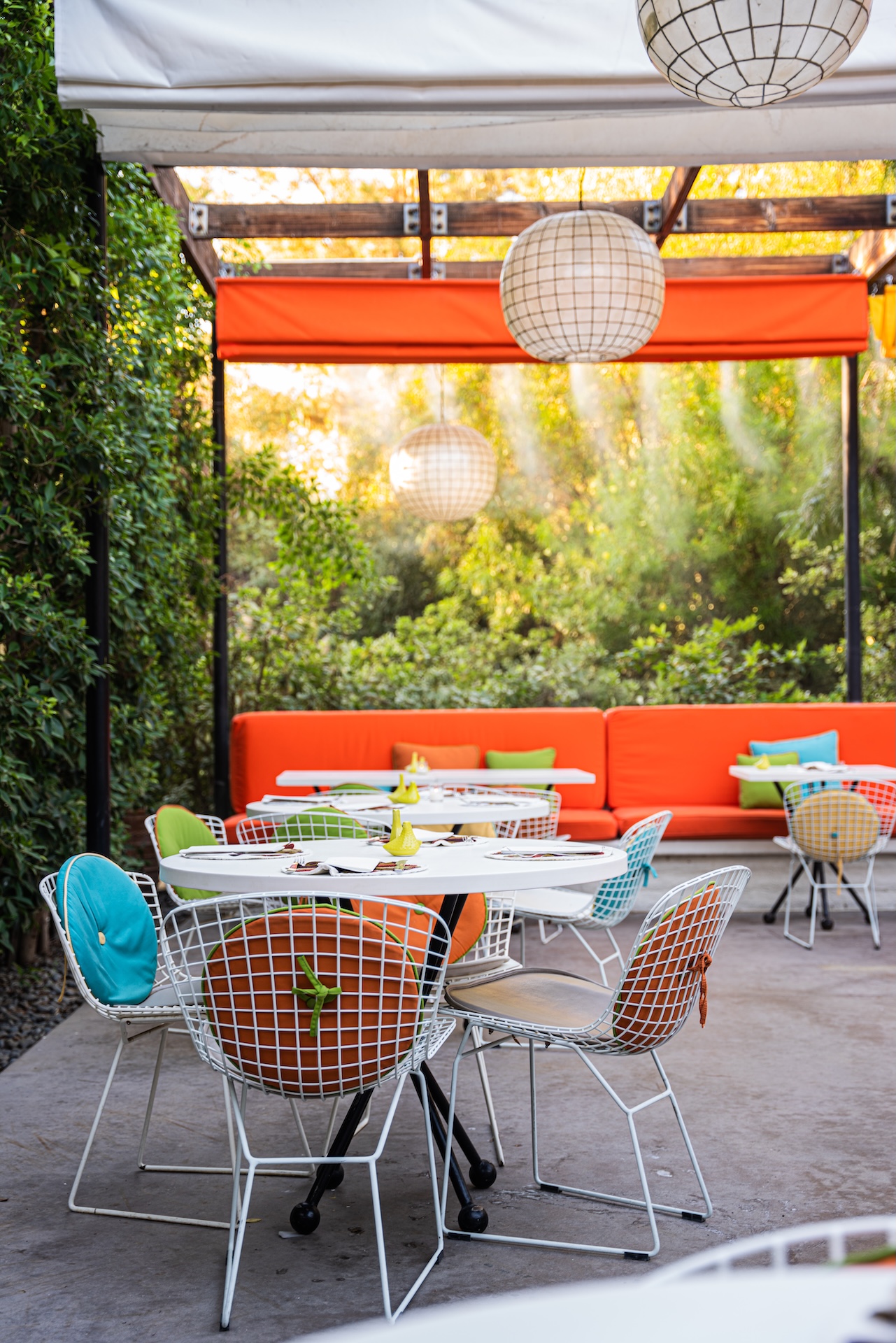
Counter Reformation asks for more restraint and precision. It is a much smaller room, more intimate, and guests are very engaged with every detail. They pay attention to the wine, the pacing, the texture of the dishes, and the interaction with the team. Mister Parker’s embraces a more dramatic, immersive approach, creating an experience that is as emotional as it is memorable. Counter Reformation feels more conversational. That changes how you think about the food.
I've read that you grew up in Carvide cooking with your father using ingredients from your garden. You've since cooked at some of the most produced, designed, and branded dining environments in the world. Is there ever a point at which the luxury hotel context feels at odds with that original relationship to food?
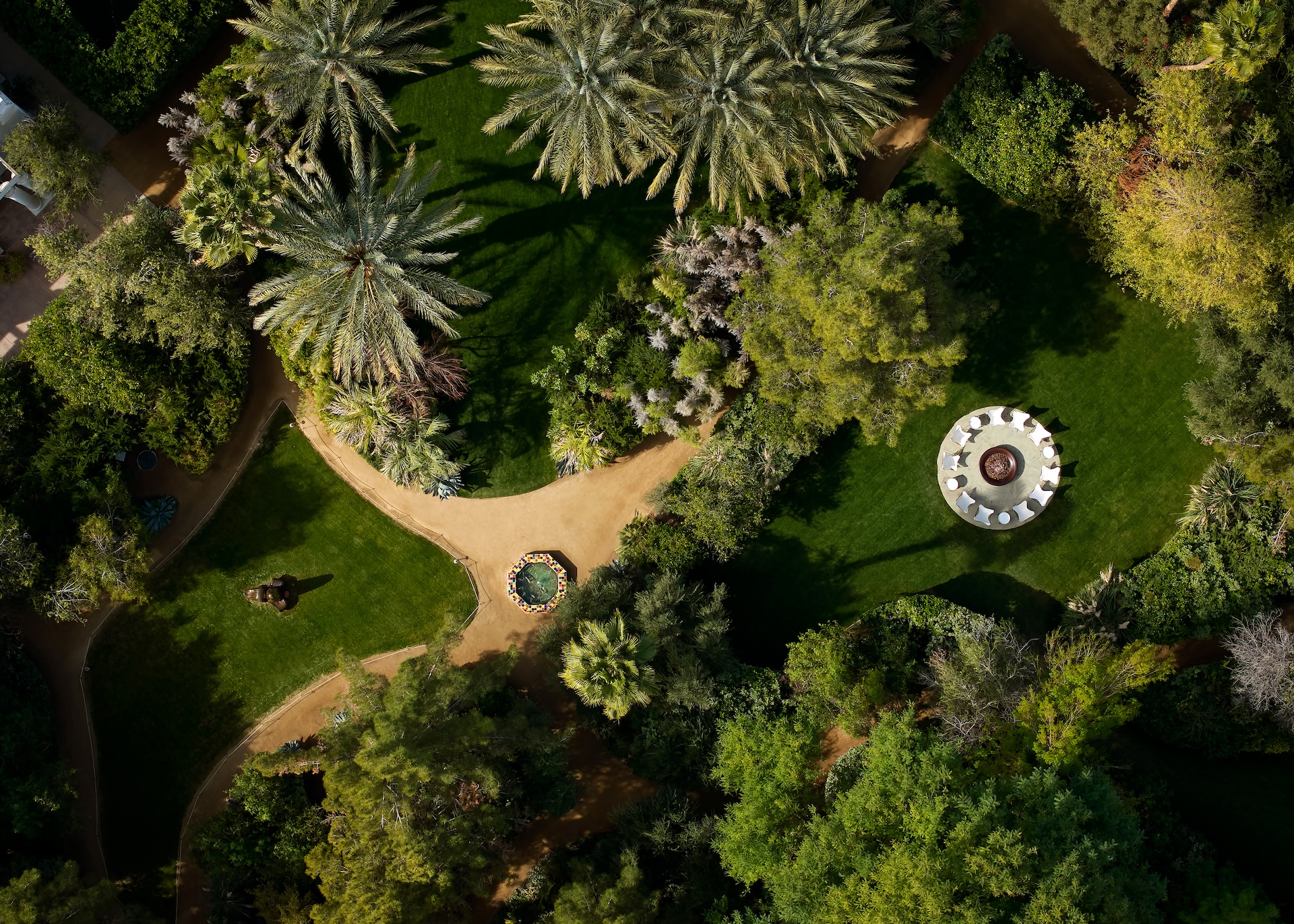
Those early experiences keep me grounded inside luxury hospitality. Growing up cooking with ingredients from the garden teaches you respect for simplicity very early. Luxury should not mean overcomplicating food. Some of the best dishes are still the simplest ones: beautiful olive oil, fresh herbs, good bread, perfectly cooked fish. The danger in luxury environments is sometimes trying too hard. I always try to remember that people connect emotionally to honesty more than excess.
Parker draws affluent, design-conscious guests. Essentially, people who have eaten everywhere. Is cooking for that audience liberating or constraining?
A little of both. Guests today are extremely well-travelled, especially at a hotel like Parker. They have eaten everywhere, so there is pressure. At the same time, guests appreciate confidence and clarity. They do not always want the most complicated dish. Sometimes they respond more strongly to something simple that is executed perfectly and feels authentic.
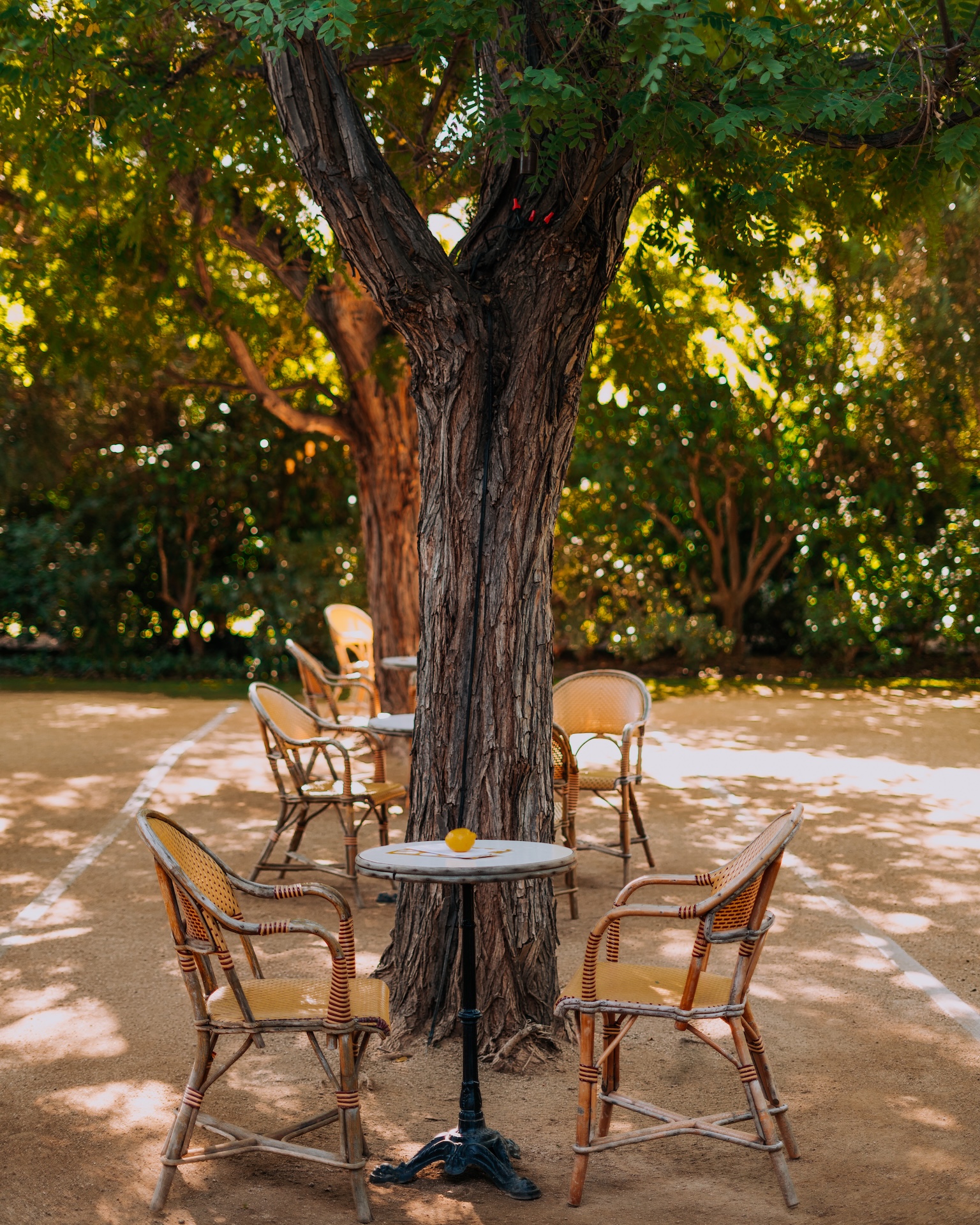
You've worked in some of the world's most well-regarded luxury environments (Armani, BVLGARI, Ritz-Carlton). As an insider rather than a guest, does that change how you think about what a hotel stay is actually supposed to feel like?
Working inside luxury hotels changes your perspective because you realise guests are not just buying food or a room; they are buying a feeling. They want comfort, rhythm, beauty, escape, attention to detail. Small things become very important. Lighting, music, pacing, service flow, how someone greets you, how a cocktail arrives to the table. Luxury is really about making people feel cared for without making it feel forced.
What does 'dining well' mean to you now, at this point in your career, and has that definition changed from when you started?
When I first started cooking, dining well probably meant technique and perfection. Now I think it means generosity and emotion. A restaurant can be technically beautiful, but if people do not feel comfortable or connected, they forget it quickly. The older I get, the more I value warmth, atmosphere, consistency, and simplicity. Those are usually the things guests remember years later.
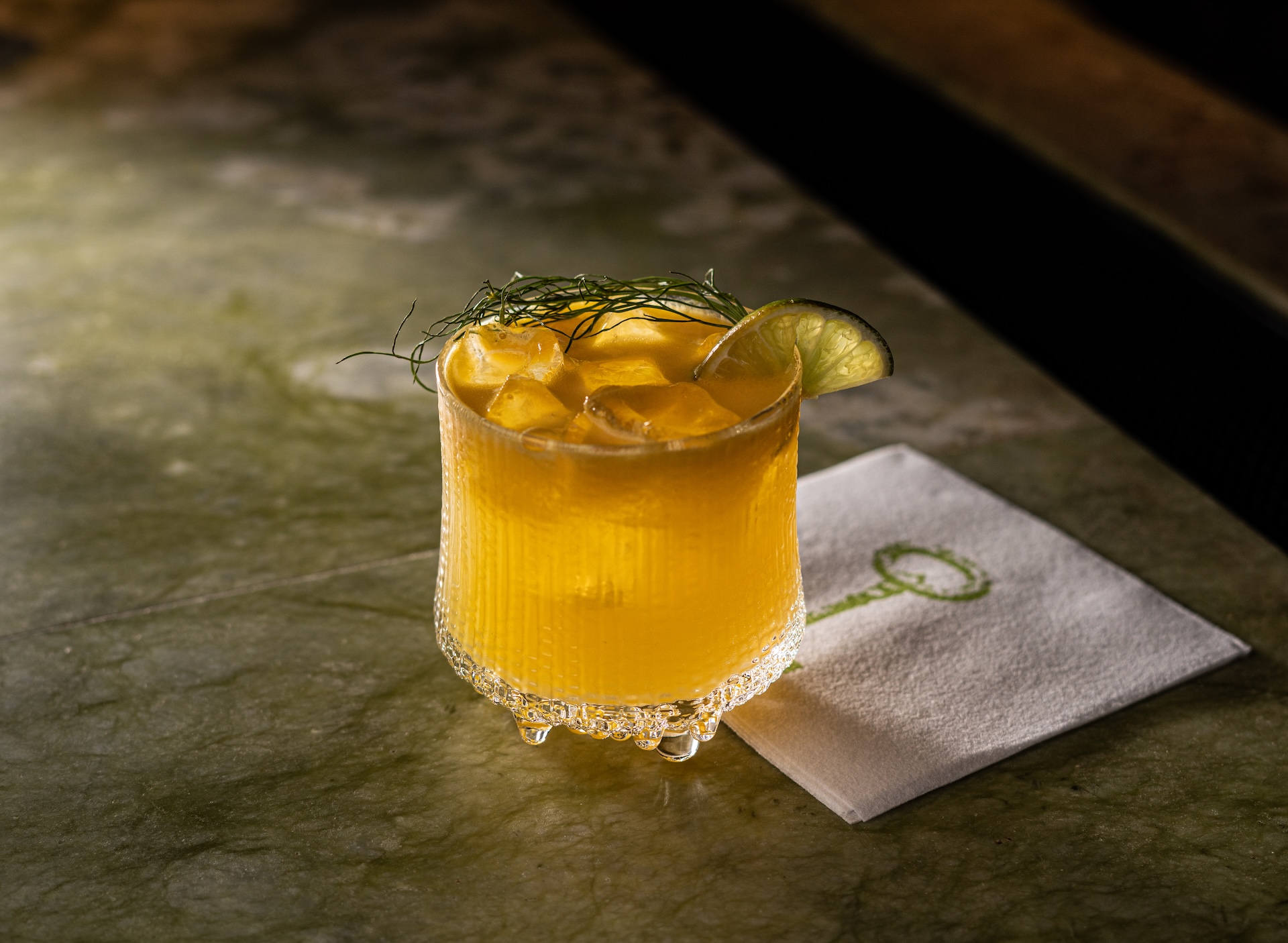
Photos courtesy of Parker Palm Springs.