General Manager of Doyle
Christina Sheffey
,
You're a WSET educator, a farmer, a nonprofit founder and also the GM of a luxury hotel bar. How do those different lives coexist on a weekly basis?
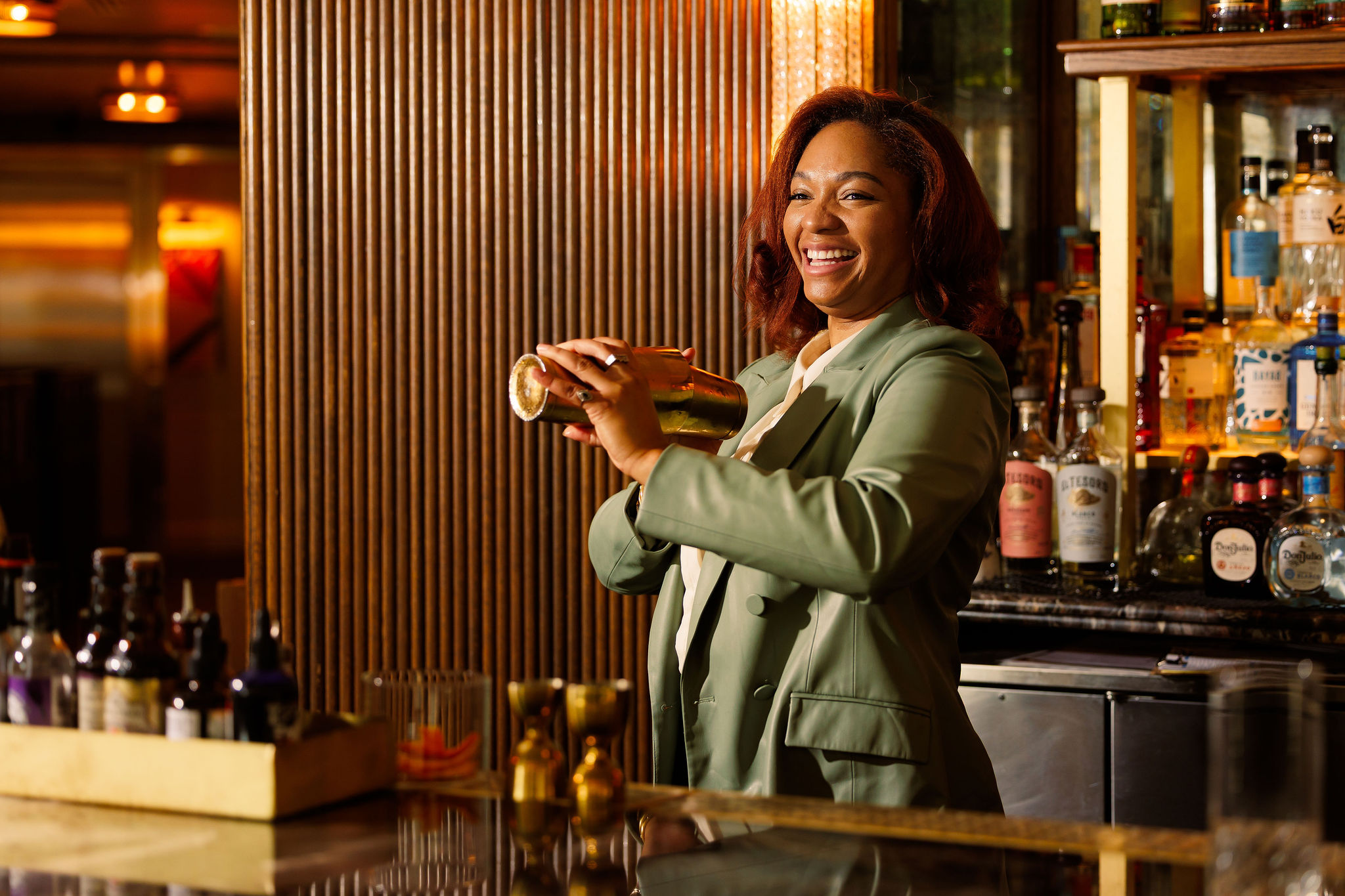
These identities are rooted in the same philosophy that hospitality is ultimately about intentionality—how we care for people, how we source ingredients, and how we support the community around us. At Doyle, my background as an educator shapes the stories we tell through spirits, while my farming experience informs the way we approach seasonality and sourcing. We prioritise local businesses, high-quality ingredients, and ethically sourced spirits, ensuring that same ethos carries through every aspect of the guest experience. It also extends into partnerships like our House of Bloom terrace activation last summer, which supported the local organisation Cultivate the City. For me, all of those roles naturally overlap.
You founded Fairhill Dreams to support local agrarians and community education. I’d love to learn more about that and how it might inform what you do at Doyle?
I founded Fairhill Dreams to support local agrarians while also creating meaningful community engagement through hospitality. We hosted charity events that worked to raise funds for farmers in the region to improve their infrastructure, while also generating significant donations for Martha’s Table in Southeast D.C. That mindset absolutely informs what we do at Doyle as we use cocktail culture as a way to bring people together while celebrating and supporting the local community around us.
What does farm-to-glass look like in practice for you?
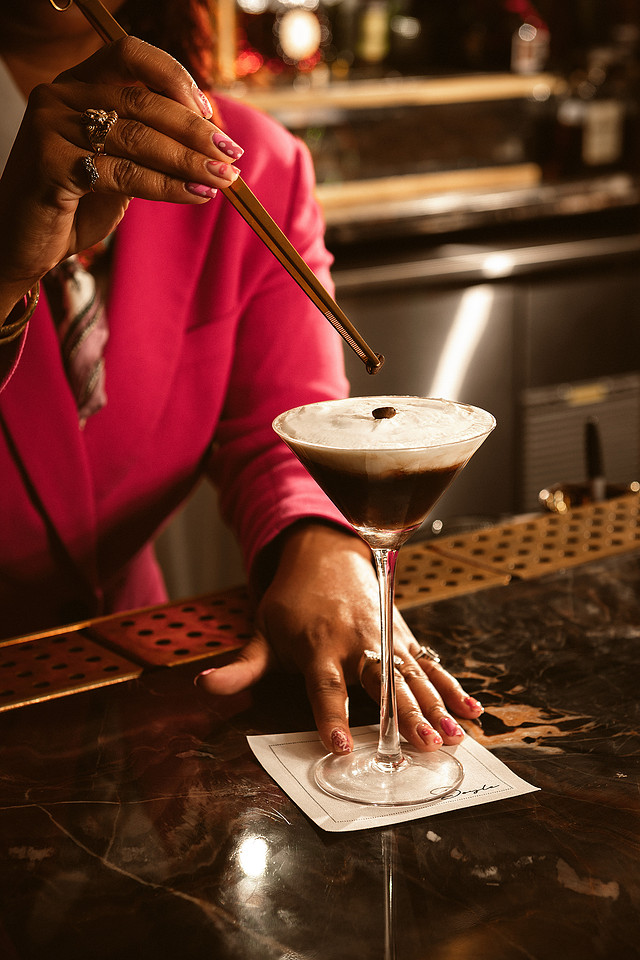
It starts with being intentional about seasonality. Every season brings different herbs and fruits to their peak, and we build menus around showcasing those flavours at their highest quality. We source locally whenever possible because luxury today is about thoughtfulness; not just exceptional ingredients but understanding where they come from and supporting the people producing them. Sustainability is important to me not only from an environmental standpoint, but from a community one as well. Supporting local farmers and businesses creates a more connected and meaningful hospitality experience for both guests and our city.
Doyle's menu is explicitly rooted in 1950s and 60s cocktail culture. What's the tension in romanticising that era, and how do you work with it rather than just reproduce it?
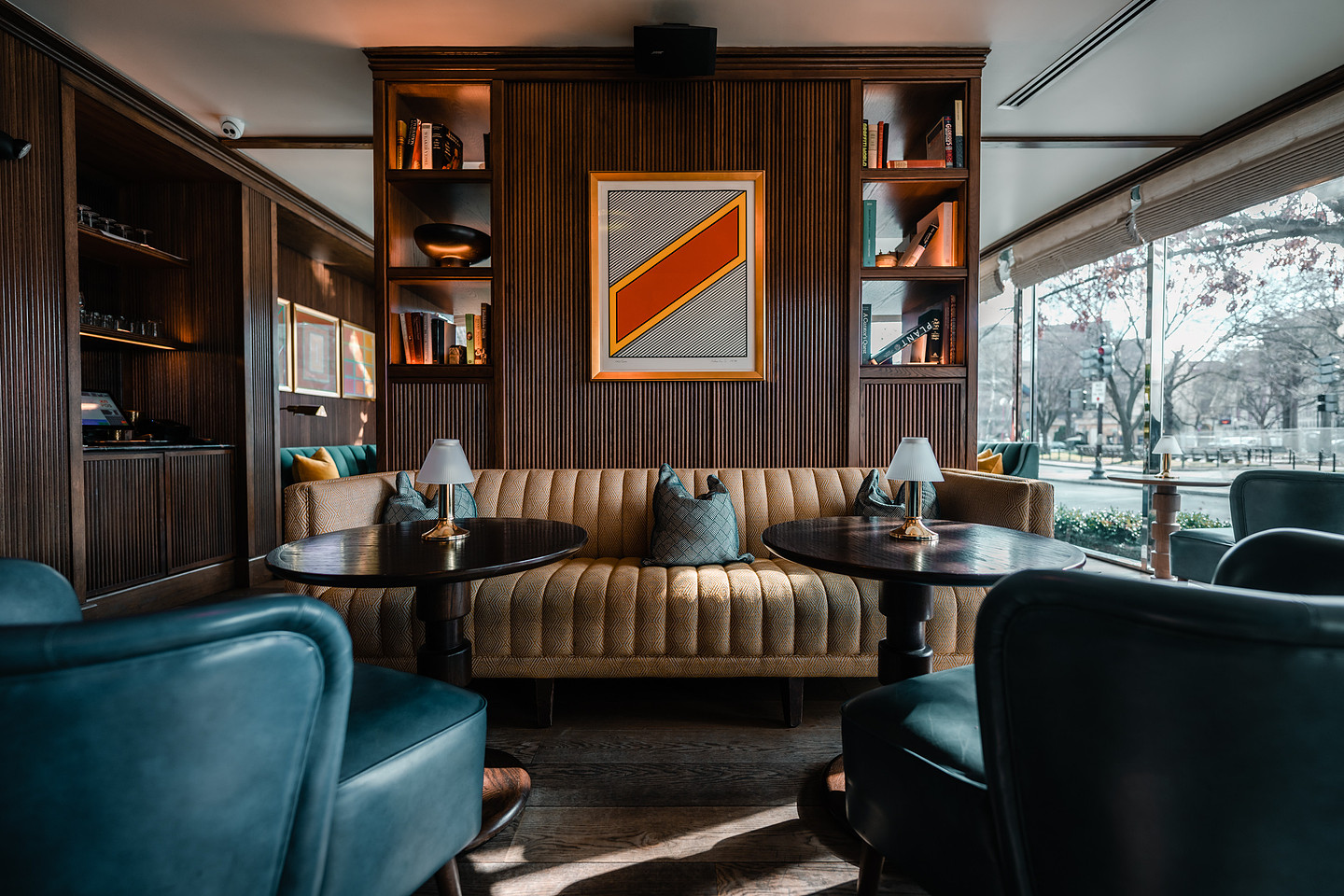
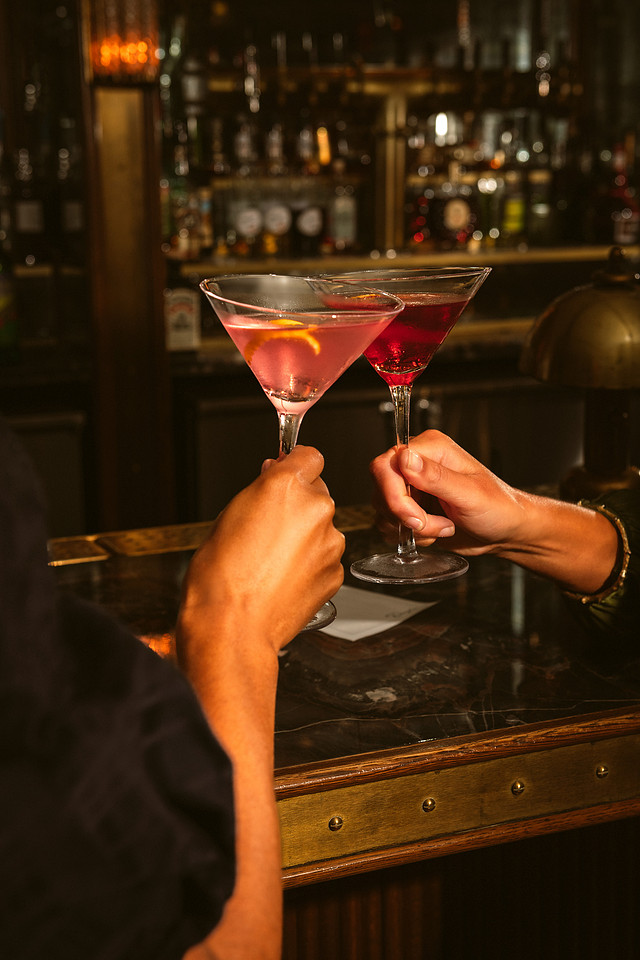
We’re interested in capturing the atmosphere and escapism of that era rather than recreating it literally. Doyle’s mid-century design, music, and cocktail culture all work together to create an immersive experience. There are also interesting parallels between that period and today—politically, socially, culturally—so we approach it through a contemporary lens rather than pure nostalgia.
DC is a city that performs power constantly. How does that shape who comes to Doyle and what they want from it?
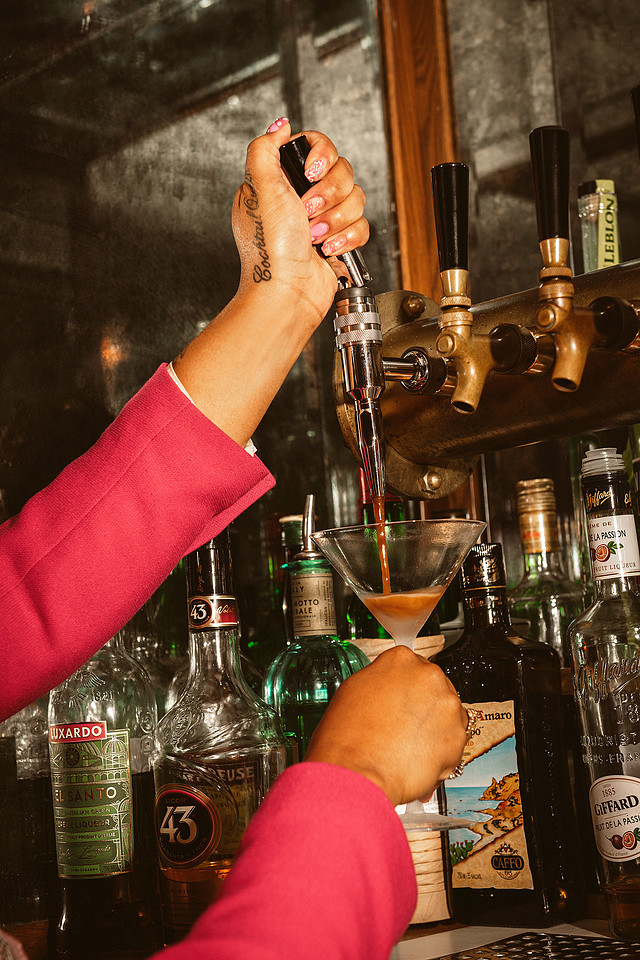
It shapes the room entirely. Doyle transitions throughout the day from business meetings to after-work drinks to evening conversations. People come here to step away from the intensity of D.C., while still feeling connected to the energy of it. That mix of locals, travellers, diplomats, and creatives is what gives the space its dynamic atmosphere.
The Dupont Circle has a Michelin Key. Does that kind of recognition change what you can and can't experiment with?
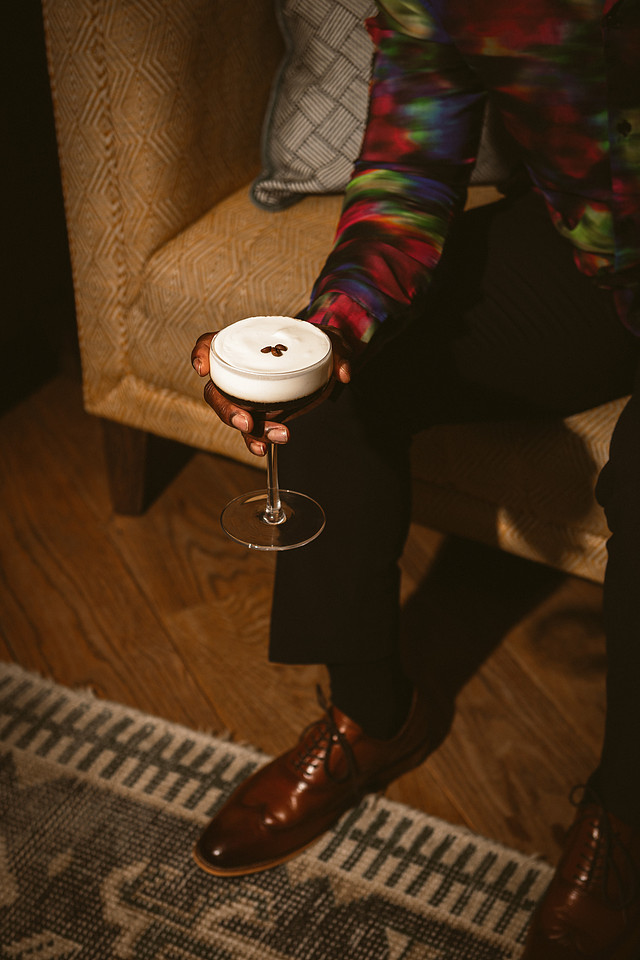
I actually think it gives us more freedom to explore creatively. A Michelin Key creates trust with guests, which opens the door for deeper storytelling, technique, and experimentation. But regardless of how creative a cocktail becomes, the foundation is always exceptional service and making guests feel genuinely cared for.
What does a great hotel bar owe its neighbourhood?
Consistency, familiarity, and a strong sense of place. A great hotel bar should feel connected to its city and community, not separate from it. At Doyle, we want travellers to experience an authentic sense of D.C., while locals feel recognised, welcomed, and eager to return.
What's the cocktail you find yourself constantly coming back to?
The French 75. Most people know the gin version, but historically it was originally made with cognac, which I love revisiting as both an educator and cocktail historian. It’s elegant, layered, and a great example of how cocktails can evolve over time while still honouring their origins.
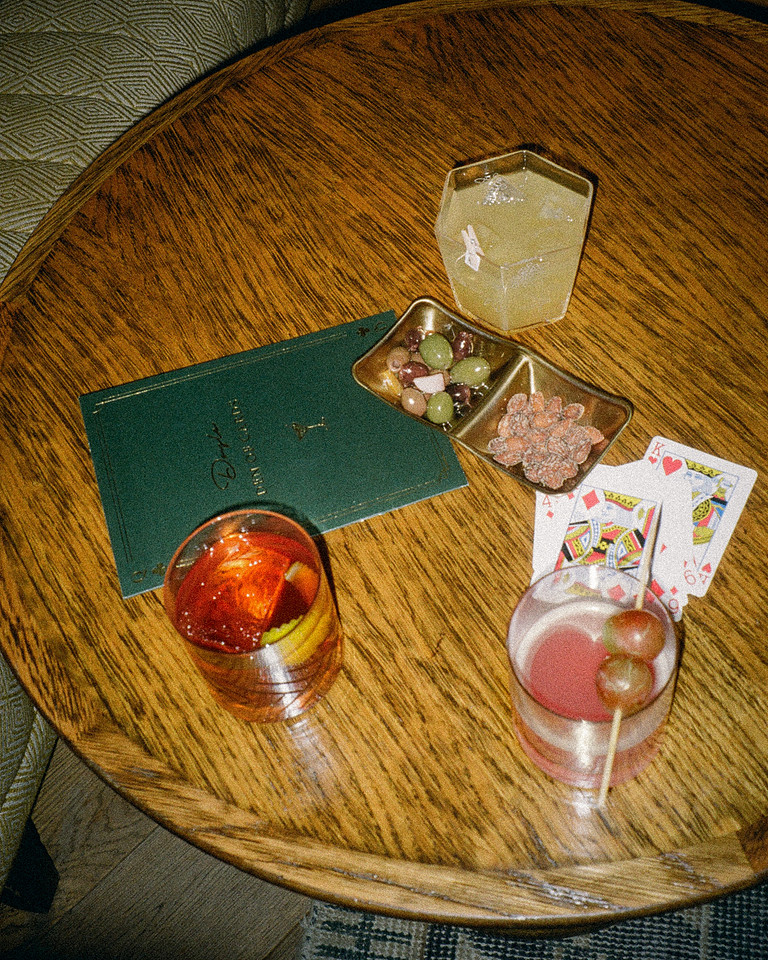
Photos courtesy of The Doyle Collection.