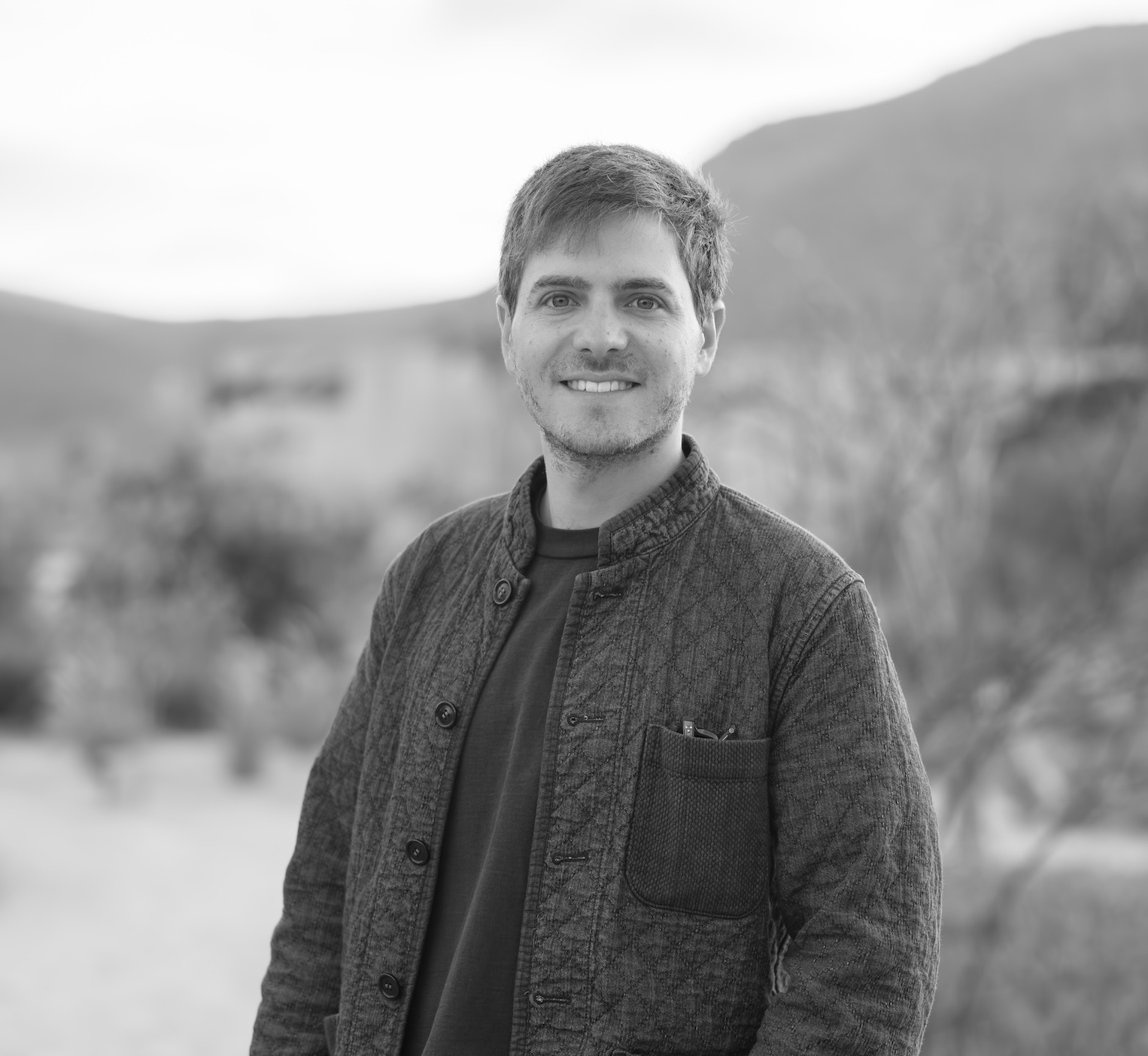
Co-Founder of Paradero
Josh Kremer
,
You have a unique background. What have your different experiences taught you about building a hospitality company?
My background is much more real estate and investing than traditional hospitality, and I think that has been an advantage. Working across different asset classes taught me about fundamentals, capital allocation, development, operations, and most importantly, the customer. Hospitality brings all of those disciplines together, but adds an emotional layer that is much harder to measure. The real estate has to work, but ultimately the customer has to love it.
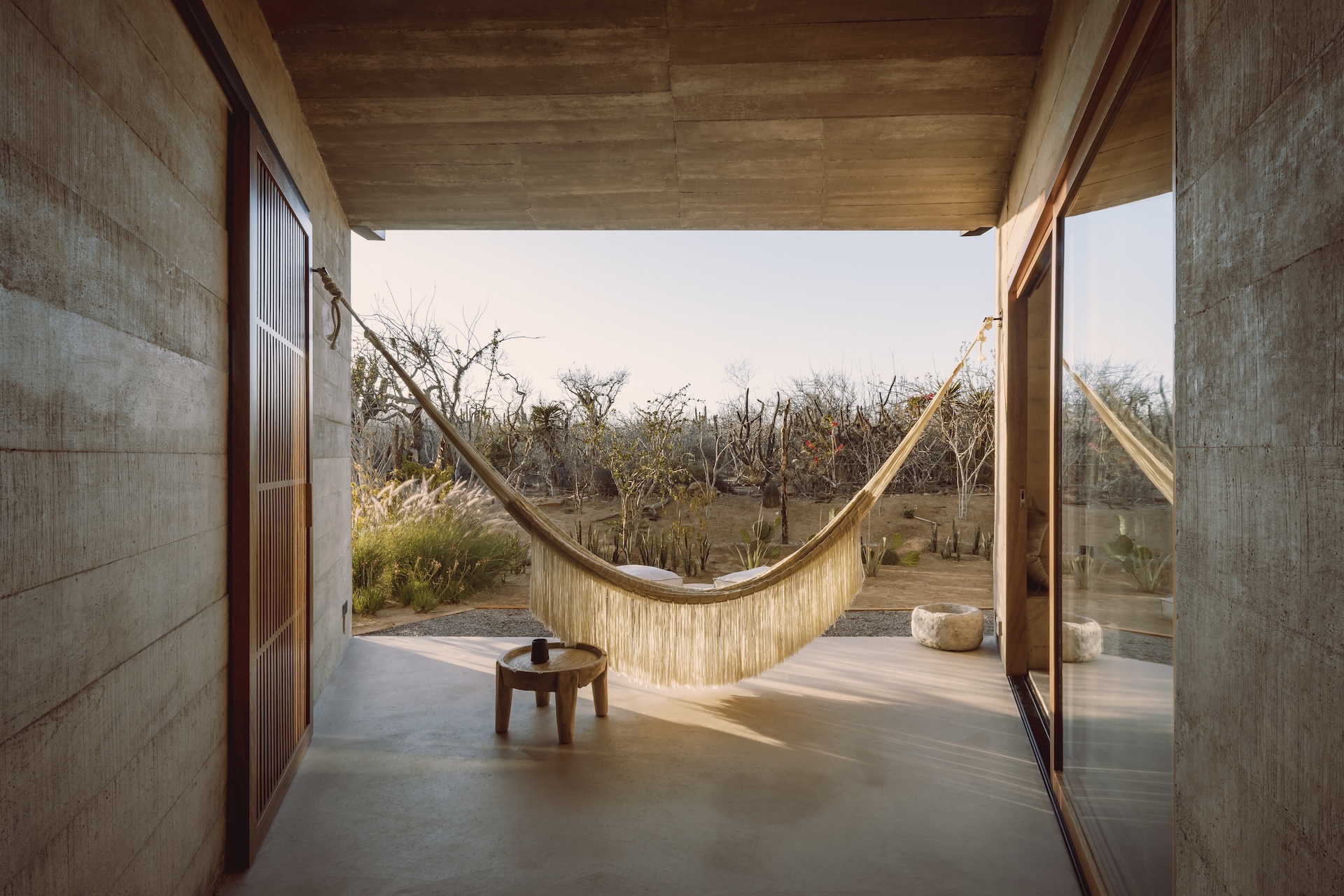
A lot of hospitality seems to be built by operators who outsource the creative aspects, or by creatives who hire capital. You're both. When those two instincts pull in different directions on a decision, which one have you learned to trust?
I don’t think creativity and financial discipline should be opposing forces. Great design can create tremendous value, but spending more money doesn’t necessarily create better design. We permit, competitively bid multiple suppliers, build model rooms, test everything, and redesign constantly. The question is always whether the customer will feel the difference and whether the decision will still make sense 10 or 20 years from now.
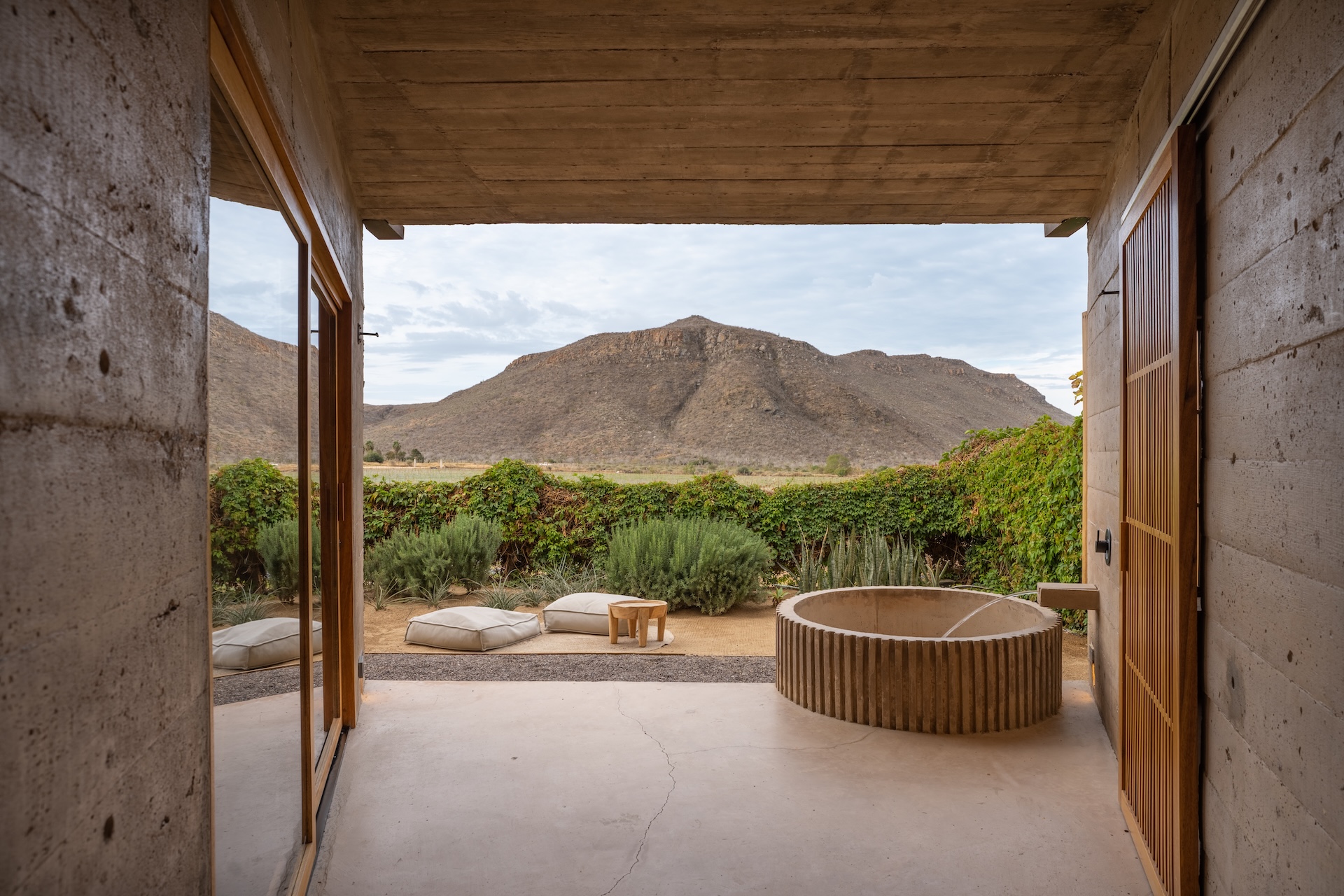
You looked at numerous sites before choosing this one. What made you stop looking here?
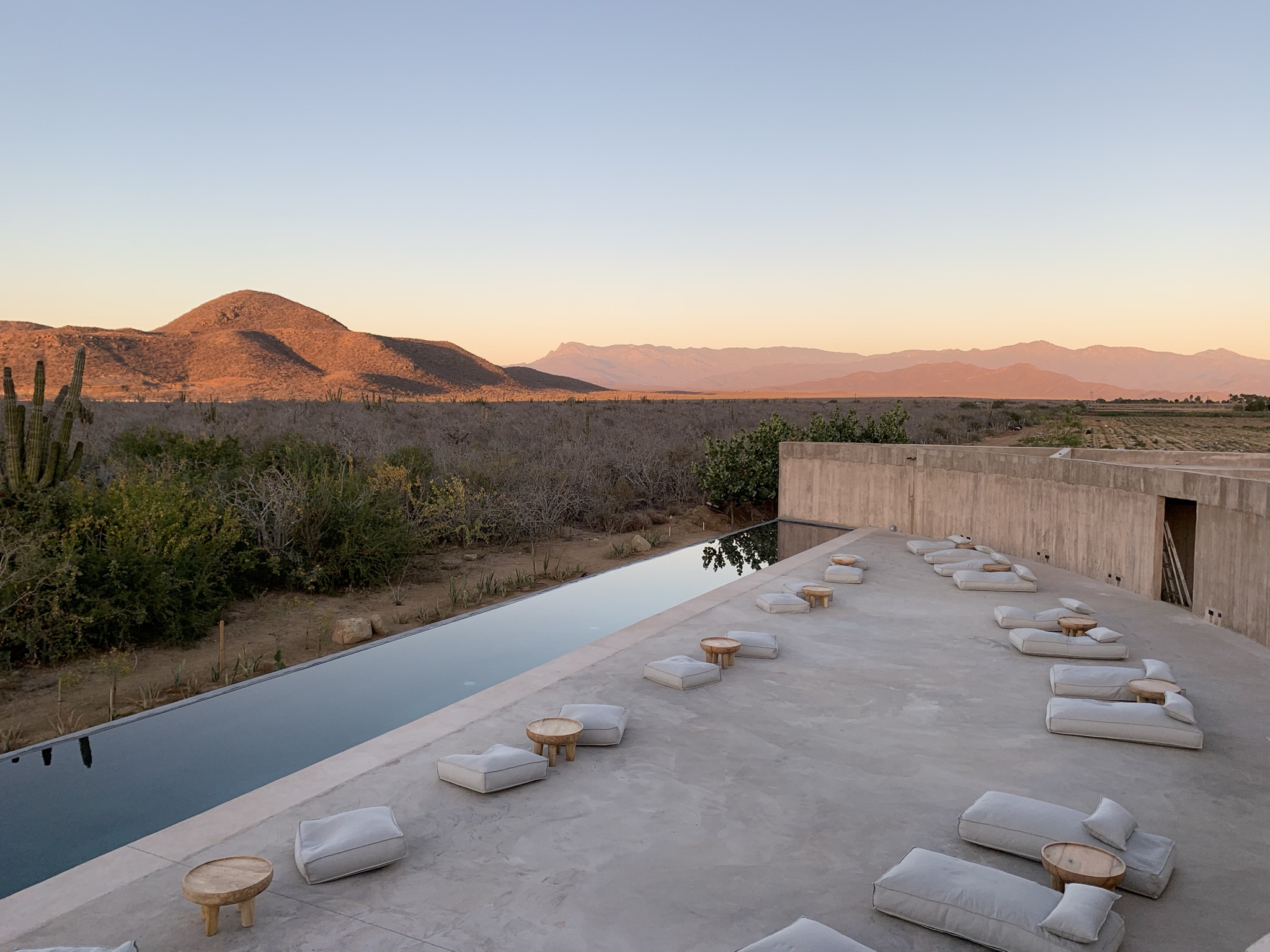
We looked at almost 100 opportunities across Mexico with a clear thesis: an under-discovered destination close to the U.S., with extraordinary nature, strong culture, and enough depth to explore for several days. Baja had the Pacific, Sea of Cortez, mountains, desert, oasis, farmland, and incredible biodiversity all within one destination. Once we understood those layers, it became clear that the hotel could become a platform for discovering Baja rather than a resort designed to keep you inside.
When you build somewhere like Todos Santos, how do you think about building with a place rather than on top of it?
One of our biggest learnings has been how much you gain by going local. We spent years building relationships with farmers, fishermen, artisans, teachers, community leaders, and families, and many of them eventually became part of Paradero. I remember an artisan becoming emotional when he won a significant contract with us; for us it was procurement, but for him it meant something much bigger for his workshop and family. Going local isn’t about creating the appearance of authenticity; it creates a better product and relationships that compound over time.
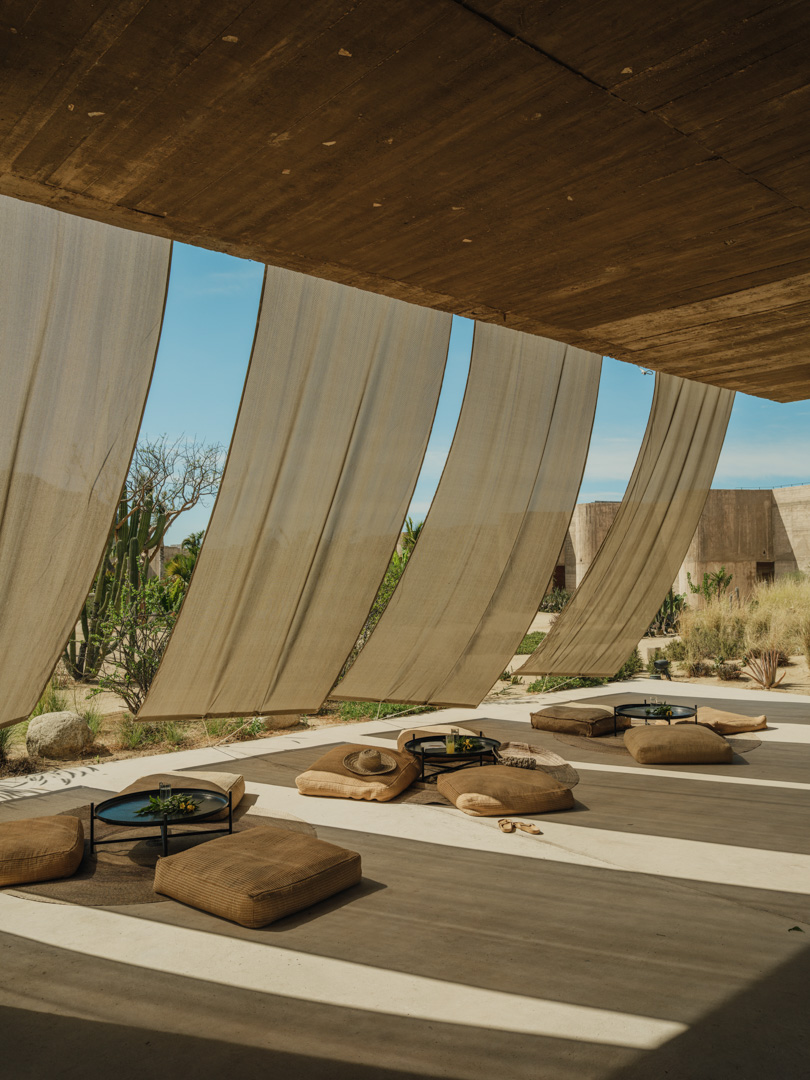
The palette is muted, intentionally. Talk to me about restraint as a positive choice, especially as we're seeing a swing towards eclecticism maximalism.
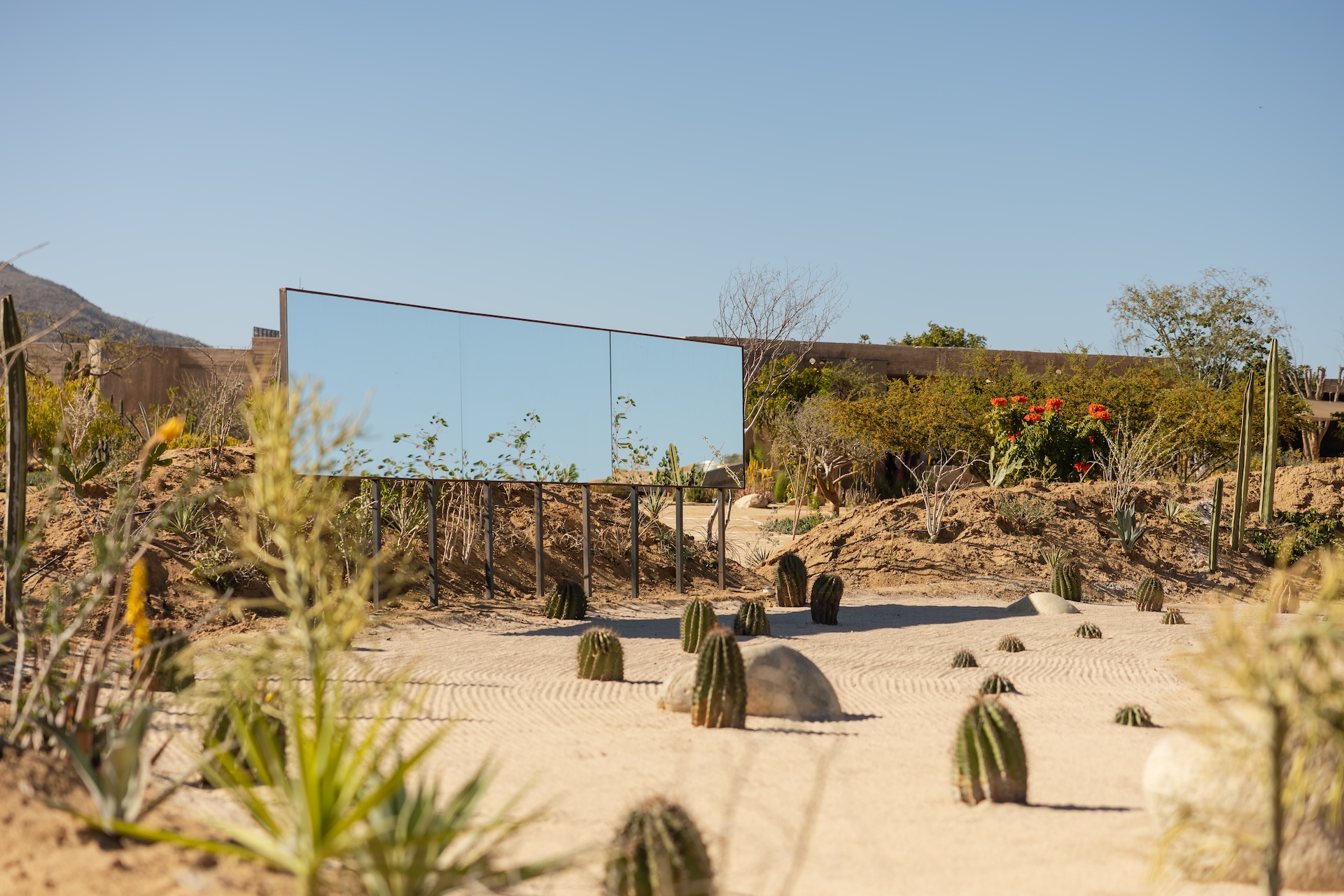
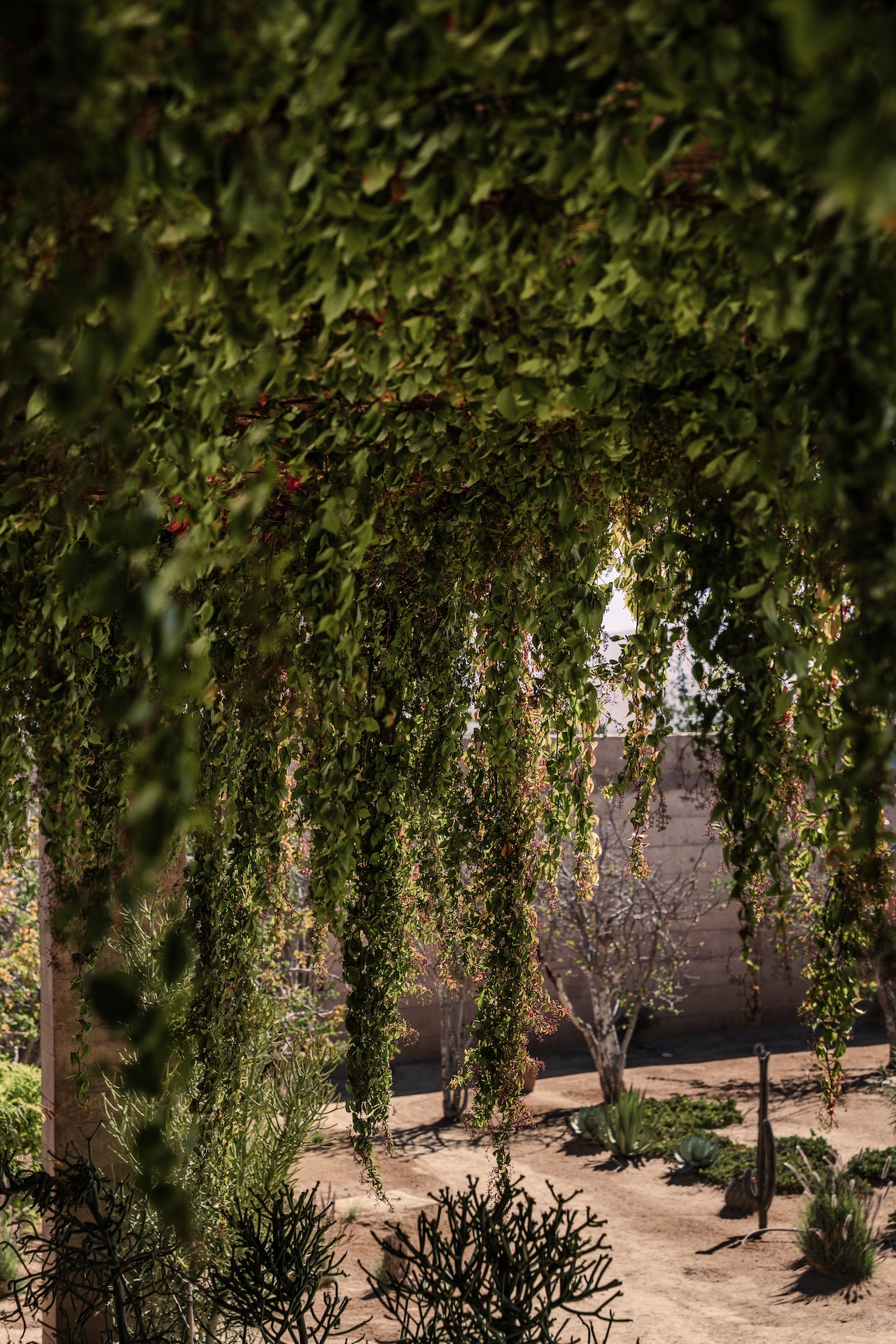
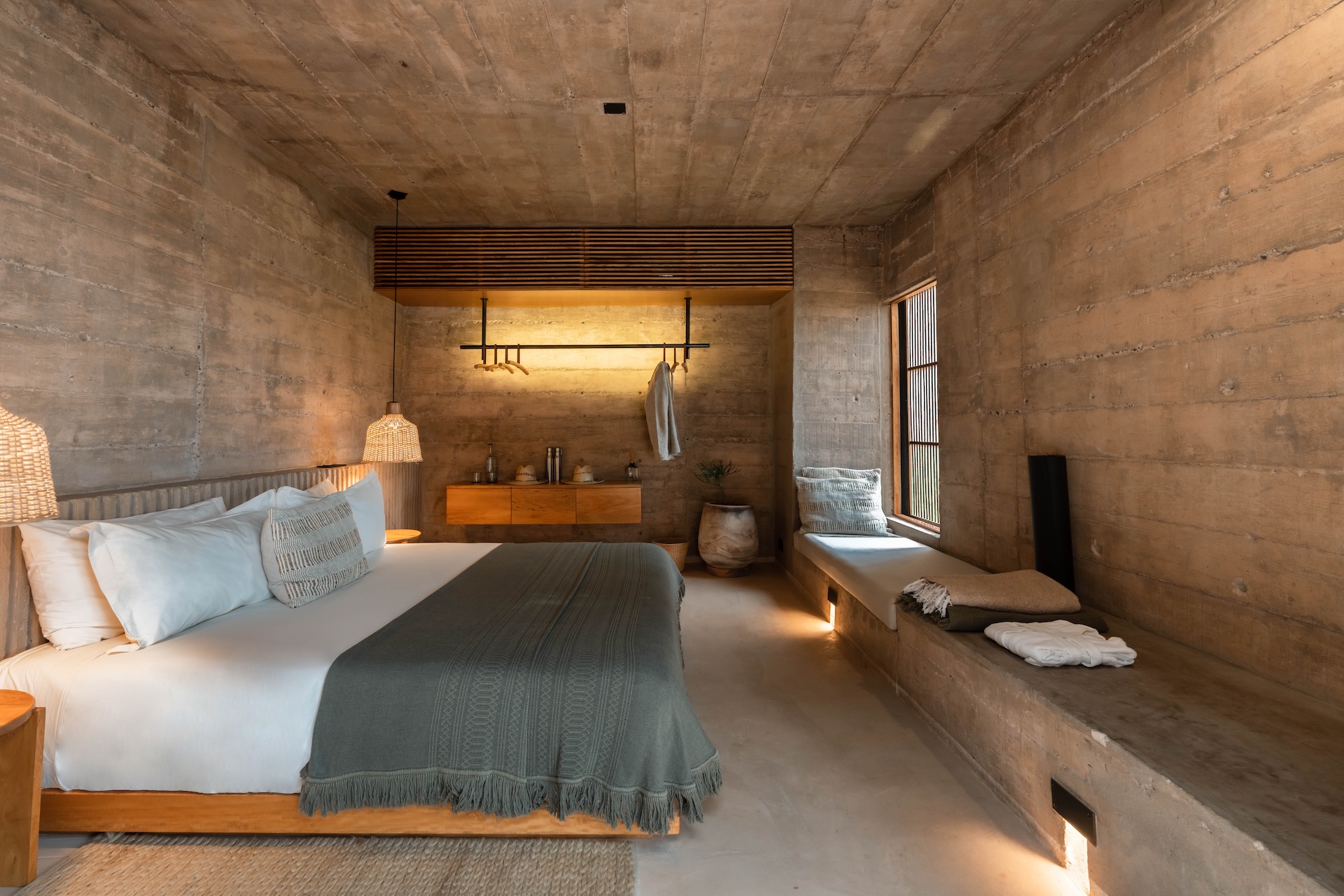
Paradero is fundamentally a Mexican architecture project, but we were also inspired by Japanese ideas such as minimalism and wabi-sabi. The starting point was always the ecosystems around us: desert, mountains, oasis, farmland, and ocean, so the architecture needed to frame them rather than compete with them. Restraint gives you space to notice the changing light, shadows, textures, vegetation, and landscape. We wanted nature, people, and experiences to be the protagonists.
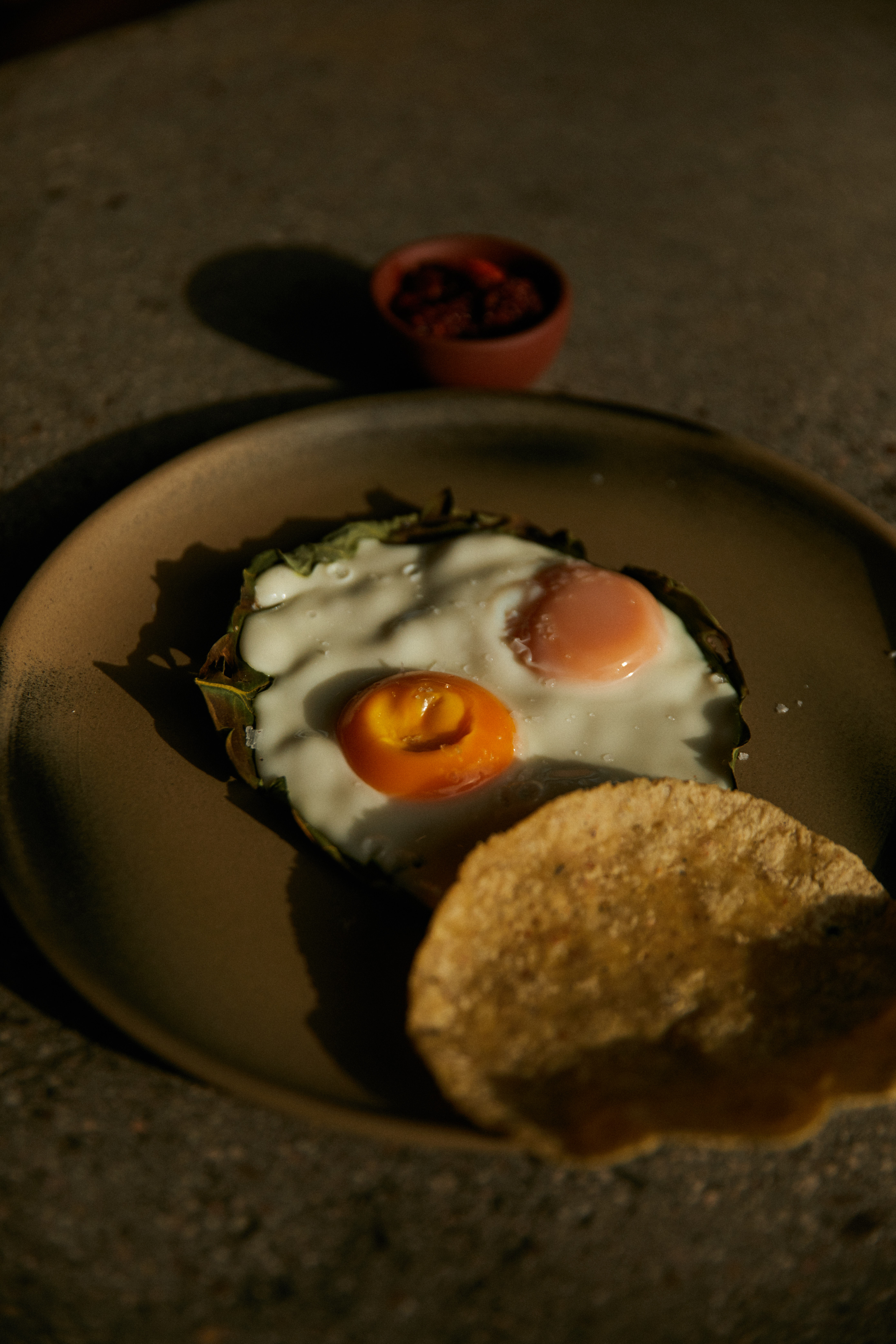
Tenoch is rooted in Mexican cooking, with Japanese influences. Where did that come from for you, and what's the common denominator between the two cultures?
Food has always been important to me. I went to Cordon Bleu as a teenager, worked at Astrid & Gastón, studied at EHL, and later developed my culinary eye by travelling and eating everything from street food to fine dining. Japan became particularly influential because of its discipline around ingredients, seasonality, technique, and simplicity. At Tenoch, the objective was never fusion; it was to take extraordinary Mexican ingredients and traditions and explore how Japanese precision could help us express them differently.
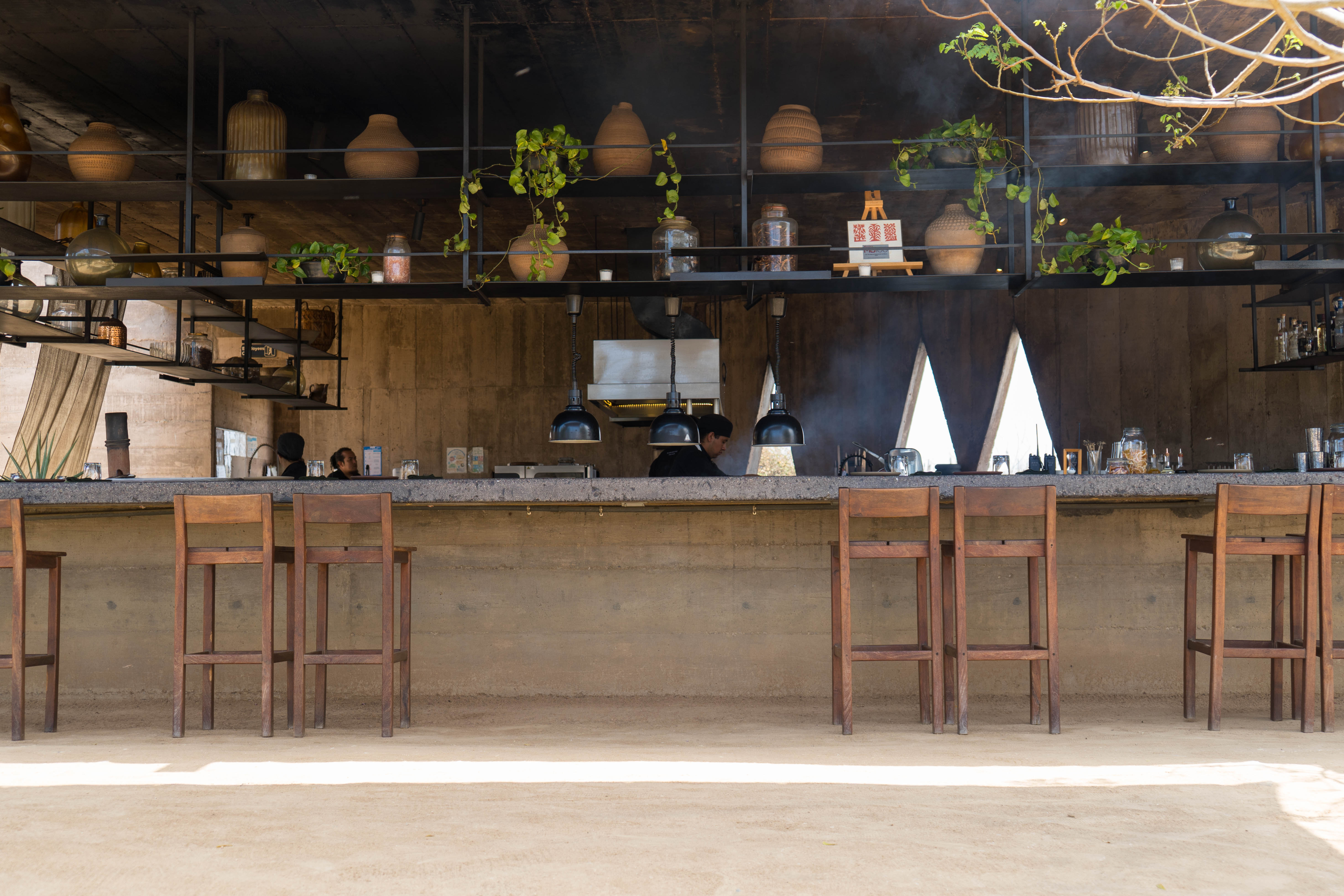
I've read there's no traditional kitchen at Paradero, given its open-air, fire-based cooking setup. What does that constraint force you to do that a fully equipped kitchen might allow you to avoid?
We do have the infrastructure of a serious hotel and restaurant kitchen, but fire and open cooking are an important part of the Tenoch experience. Fire creates useful constraints: you need great ingredients, timing, technique, and repetition, and you can’t hide behind complexity. We think similarly across design, food, and experiences: constraints force you to decide what is essential and where complexity actually creates value for the guest.
There's a lot of talk about AI reshaping hospitality. What's one thing about Paradero that you'd refuse to let technology or scale optimise, even if it cost you?
I’m very bullish on AI in hospitality and think it can dramatically improve measurement, decision-making, personalisation, training, and execution. But the objective should be to give people more time to deliver hospitality, not remove people from hospitality. I would never want to optimise away genuine human connection: the ability to read a guest, remember a conversation, or create an unexpected moment. If AI gives our team more time to do that, technology can actually make hospitality more human.
You set out to build something independent in a category that the big brands keep consolidating. What can a founder-led house do that a branded operator simply can't?
The biggest advantage of independence is the ability to design around the customer and destination rather than a global brand standard. At Paradero, that has led us to build our own guides and experiences, invest in farming, acquire a catamaran, create a foundation, and constantly experiment with food, wellness, art, and design. I think there is a huge opportunity for hospitality to become less commoditised. The most interesting independent hotels should be so connected to their destination that they couldn’t exist anywhere else.
Five years in, what's the moment at Paradero that made you feel like you'd created the thing you actually set out to create?
On opening day, my father asked me, “What are you going to do for your first guest?” After years thinking about architecture, construction, hiring, systems, menus, and thousands of details, that question brought everything back to the customer. We lined up the entire team to welcome our first guests, and you could feel the pride and excitement as a construction project suddenly became a hotel.
Five years later, seeing our team make the experience their own, guests return, and some customers become homeowners because they want their children and grandchildren to experience Baja this way is probably the best validation we could have asked for.
Photos courtesy of Paradero Todos Santos.