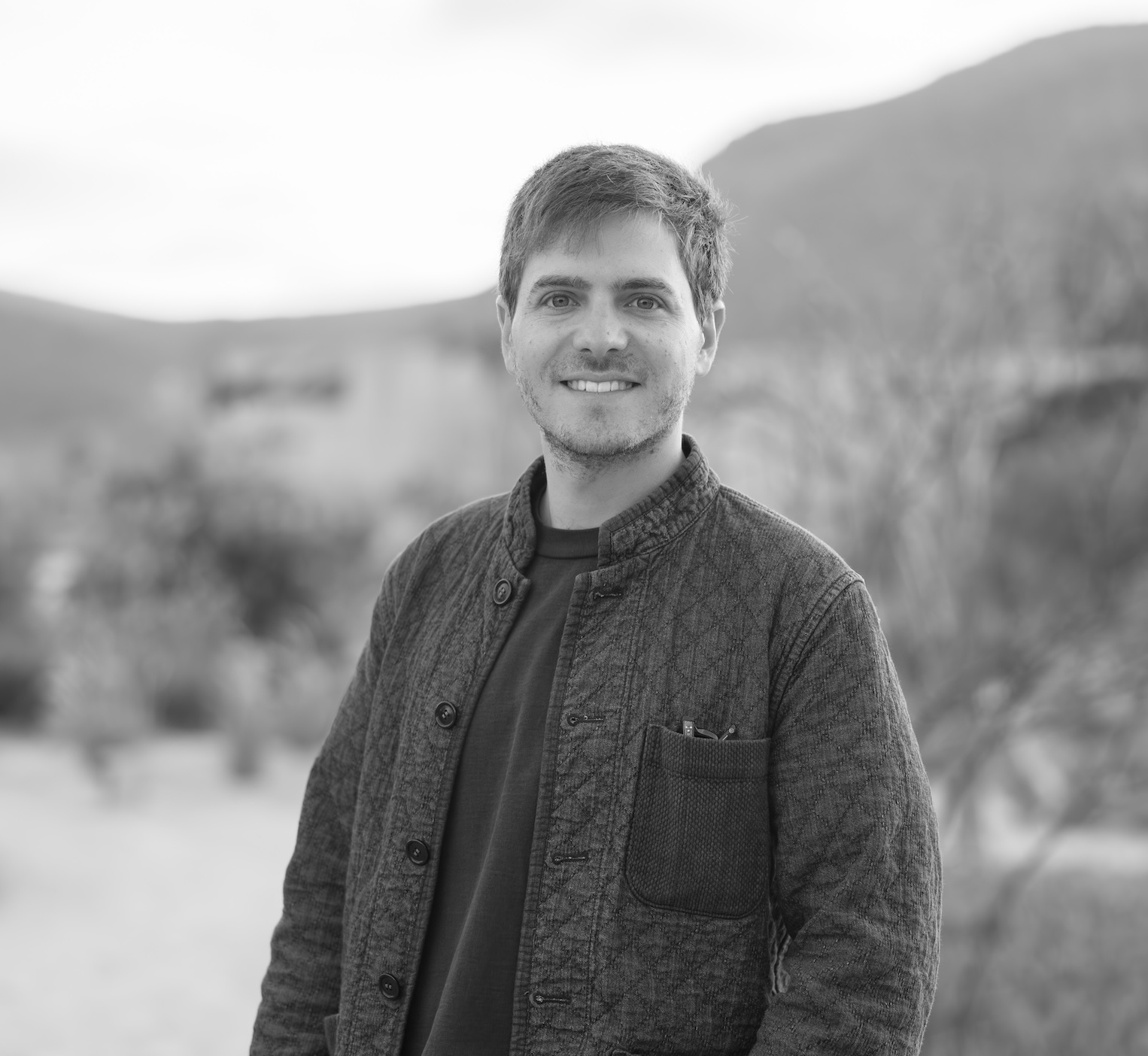
Founder of Life & Times
Michael French
,
What are you looking for when deciding that a place (or a property) is worth investing in?
Soul and community benefit. Will this project make living and visiting the California desert a better experience? If so, it is more than likely worth pursuing. When you’re committed to a place for over a decade the return profile for projects gets much more interesting. Our ecosystem of hospitality, content and soon-to-be wellness all support each other and enrich our personal lives in unique ways.
How does thinking like an owner and steward of a place change the decisions you make compared with thinking purely as an operator?
The time horizon and return profile are much different as a long term owner. I obsess over the small details and take the time to do things right. Shortcuts don’t pay off in the long run. The projects I work on are also the places that I spend most of my personal time, which means I’m often building for myself. Decisions tend to feel more personal and authentic when I’m thinking this way.

‘Sense of place’ has become almost an obligatory term in hospitality, but it can easily amount to a few aesthetic references to the location. What makes a hotel truly of its place to you?
The hotels that really nail this are built and operated by locals. If you’re building a restaurant, hotel or bathhouse for your community, neighbors, friends and guests, then you’re naturally going to be of the place. No aesthetic references necessary. When I visit hotels that truly feel like the owner’s dream project, I pay way more attention.
Most of your projects begin with places that already have history to them. How do you decide what should be preserved and what can be reinterpreted?
People remember feelings not fixtures. We aim to give guests a certain feeling and that isn’t always achieved by preserving the designs of the past. The Copper Room was a complete reinterpretation because there weren’t many historical interior images available. We had stories and characters, which turned out to be plenty. At the end of the day, guests can tell if you truly care about a place and that's what resonates.
The Life & Times website states that design isn’t the only thing that matters, but that it sets the stage. Once the stage has been set, what do you think actually gives a hospitality space its soul?
Hospitality and community—especially in a small town. Hotels, restaurants, cafes and now bathhouses all have a role in their neighborhoods beyond the P&L. People dine when they’re celebrating and when they’re sad. There’s a richness in how regulars are remembered and connections are made. Great food and design can only take you so far. The people bring the soul.

There’s a tension between making an experience seem effortless and acknowledging just how choreographed it actually is. How much do you consciously design the way people behave in your spaces?
Nothing in life is effortless. I tend to prefer leaning into the challenges and constraints of a space. There’s magic in unexpected delights and those struggle to emerge on a blank canvas. Topography, old buildings and even regulations can create boundaries that yield unique nooks, moments and surprises that would have been really tough to imagine without constraint. We tend to design for discovery in place of a linear story.

How much of what Life & Times does ultimately comes down to personal taste, and how do you protect that instinct as projects develop and involve other partners?
Great partnerships are core to Life & Times success. There’s a letting down of the guard that seems to happen after several years in partnership. Trust goes up, tension goes down. Each project has a unique and strong point of view that tends to be the North star. With design and operations all rowing the same direction, we end up with really personal spaces that don’t feel dictated by one party or the other.
You describe your role at Life & Times as ‘vision, brand, and the long game’. What does the long game look like to you now?
I want to see more people move to the California desert and build small businesses, start families and participate in the communities here. I’ve been surprised and inspired by the outsized impact a small business can have on culture, community, philanthropy and joy. The desert is such a ripe and supportive place to create, so I’m always looking at ways to support others who want to grow alongside us.

Photos courtesy of David Fouts.