Noteable Amenities
Location
Hotel Saint Vincent is located at 1507 Magazine Street, right on the corner of Race, in what’s technically the Lower Garden District. If you’re coming up Magazine from the river, this is the first neighbourhood that feels properly lived-in, before the Garden District begins to show off.
It’s not St. Charles, and it’s not the part with the mansions. No, this stretch of Magazine is a little more workaday. Antique shops have given way to design studios and odd boutiques. Coliseum Square is just a couple of blocks away, and if you’re lucky enough to have a room upstairs, you’ll get a peek at the CBD skyline and the river bridge.
What’s interesting is that this neighbourhood never quite lived up to its original ambitions. Back in the early 1800s, Barthélemy Lafon had all sorts of grand ideas. Coliseum Square would actually have a coliseum, and Prytania Street was meant to face a town hall that never materialised. By the 1840s, the area was filled in by German and Irish workers. And following that came the Depression-era boarding houses carved out of old mansions, and the usual postwar stories of people moving to the suburbs, and in 1956, the Mississippi River Bridge on-ramp ploughed straight through what had been a park.
Things started to turn around when the Coliseum Square Association managed to stop another bridge ramp and got the whole area listed on the National Register. The name ‘Lower Garden District’ only dates to 1962, but the place itself is much older and a good deal rougher than the name lets on.
Anyway. Practically speaking, you’re on the right part of Magazine, with the Arts District and Convention Centre close by, and the French Quarter either a quick ride or a longer, rather pleasant walk away.
You won’t be in the thick of downtown New Orleans, and Hotel Saint Vincent seems to have embraced its slightly removed location. It’s quiet, shaded by oaks and just a few blocks from the action. For some, like myself, that’s a major selling point. But if your idea of New Orleans is measured by how fast you can get to the French Quarter, it’s worth noting that the distance is real.
Design
The 1861 building first opened as St. Vincent’s Infant Asylum, a foundling home for orphans from an underprivileged immigrant neighbourhood. It’s a weightier history than most hotels would care to acknowledge, especially when there’s now a pool bar in the mix.
Margaret Haughery, an Irish widow who couldn’t read or write, lost her own child and then built a bakery and dairy business, spending nearly all of it on orphans. There’s a statue of her just a few blocks away. Apparently, it’s one of the first in America to honour a woman.
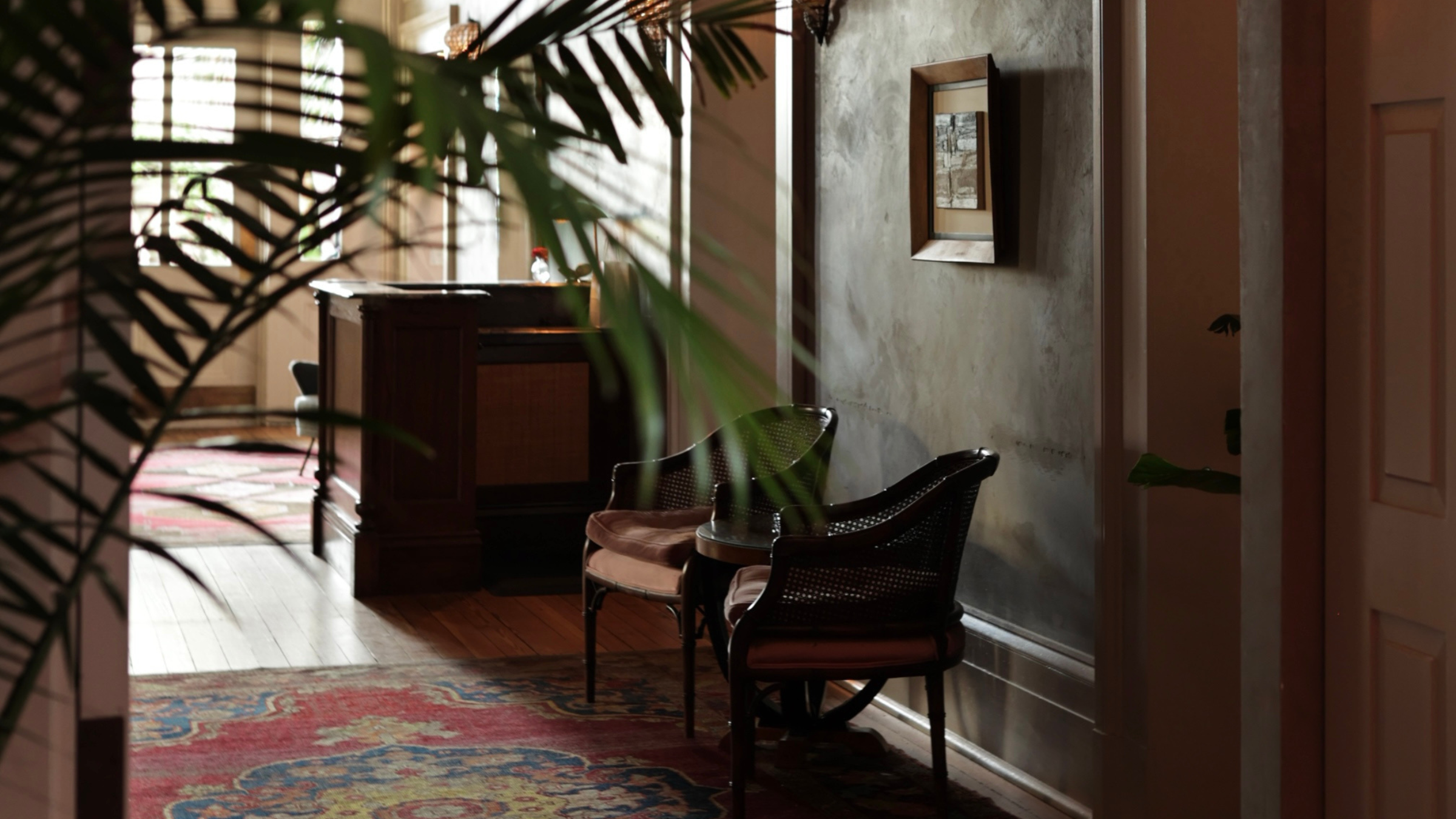
The building itself was left untouched for about 150 years, which, as it turns out, was rather fortunate. When Lambert McGuire Design arrived, they decided to work with the bones instead of ripping everything out and wiping the slate clean. The wrought-iron façade remains. The double-gallery porches remain. The grand, winding staircase and those wide asylum corridors remain.
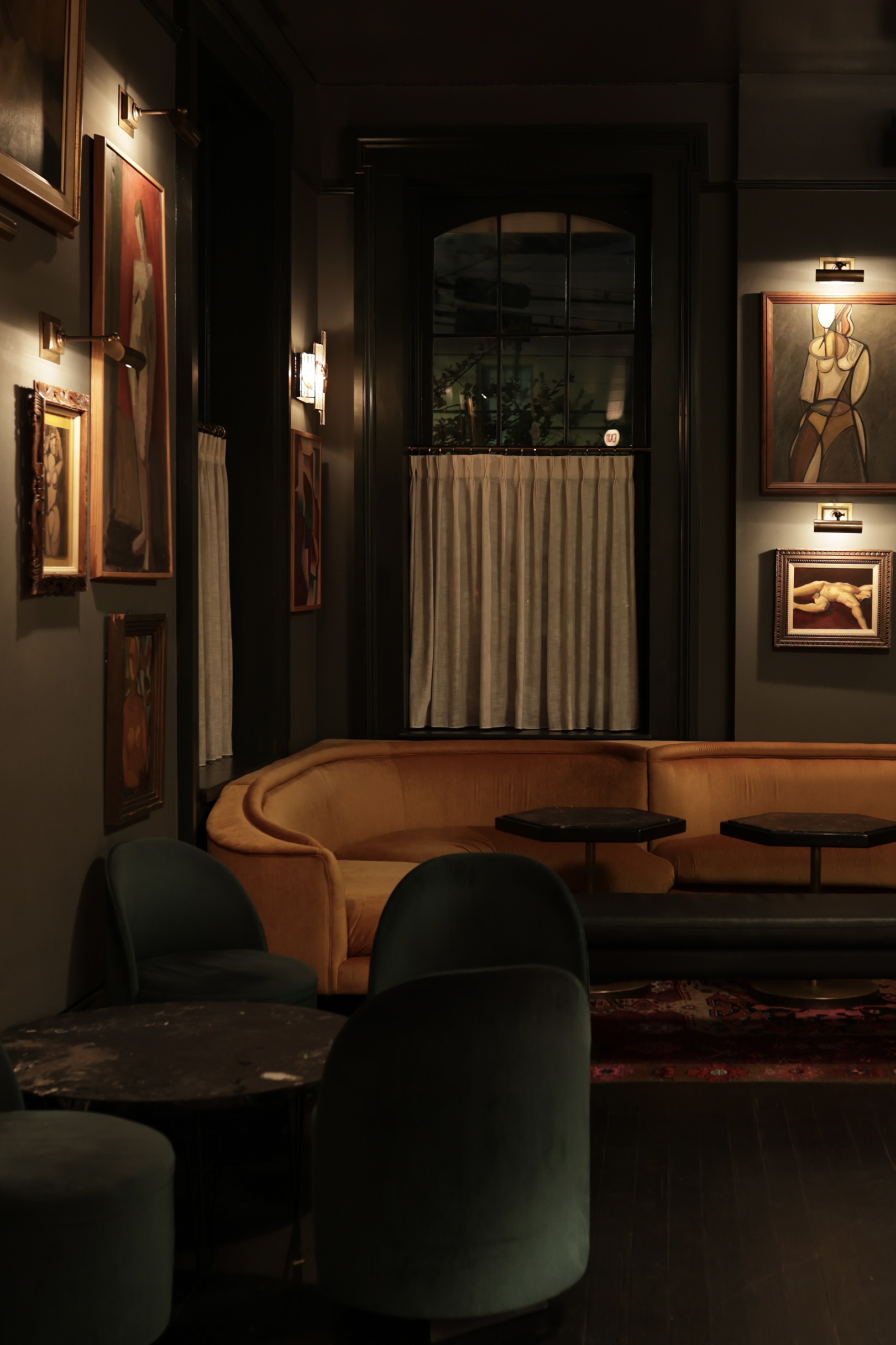
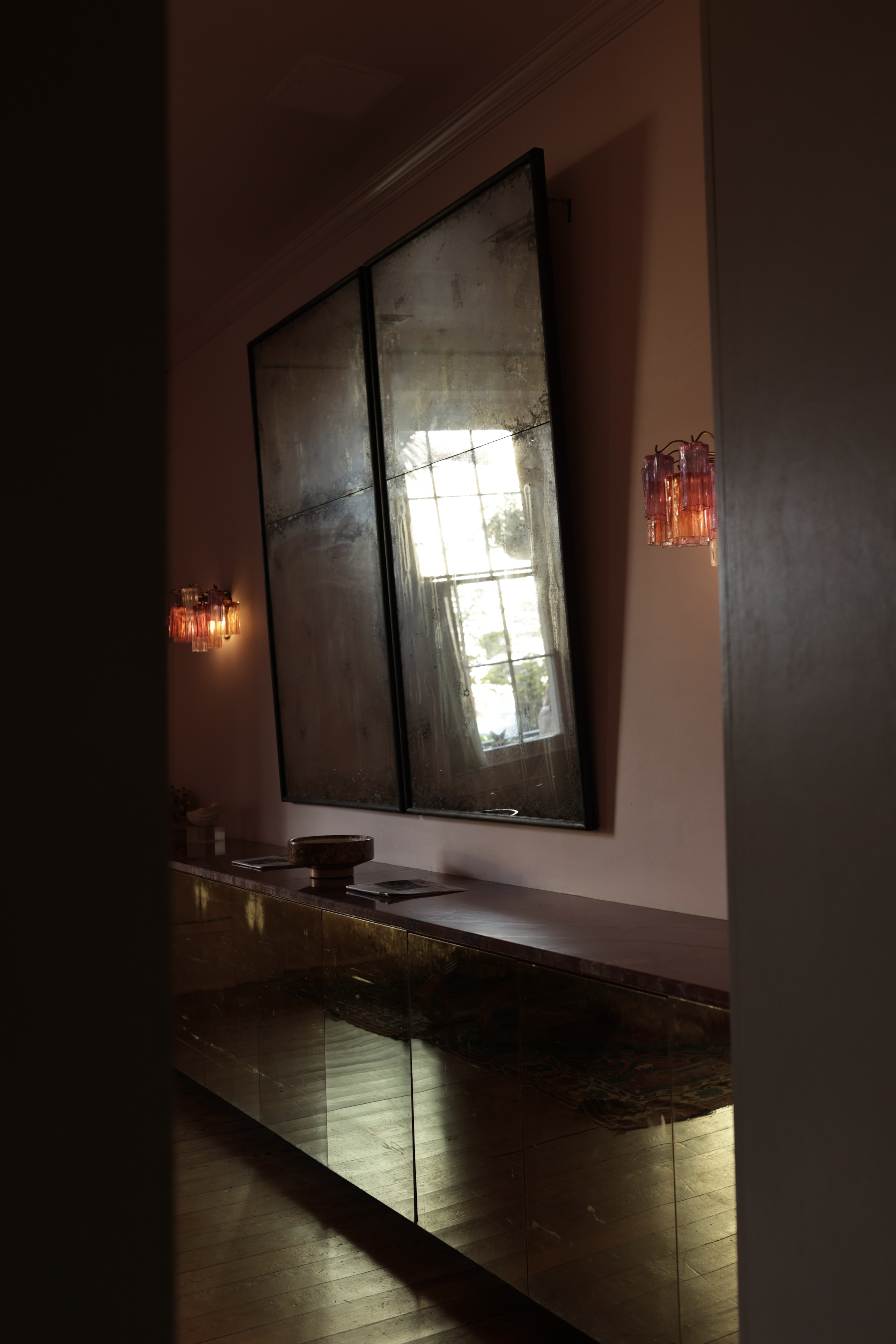
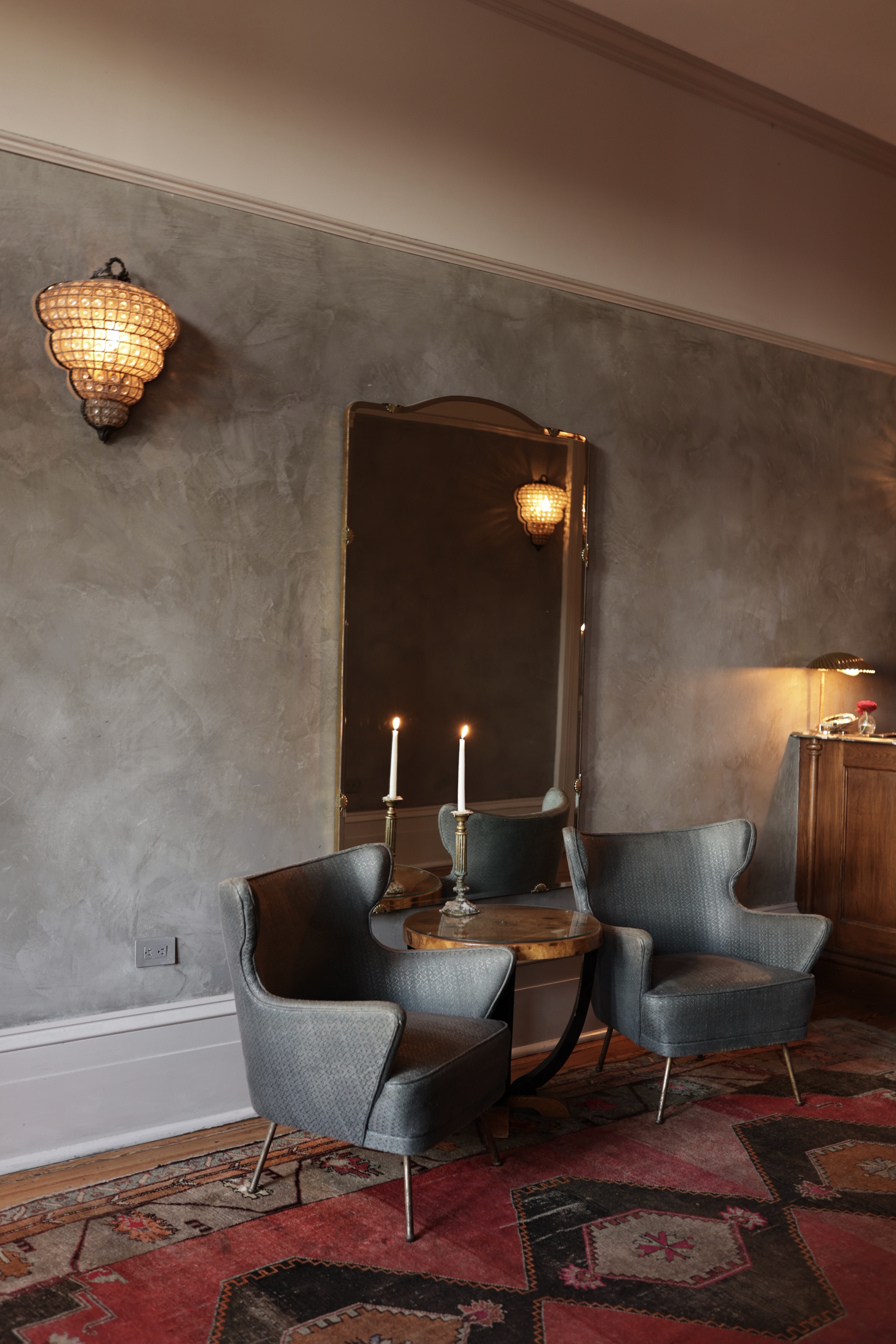
It’s in the layering that any consideration of restraint goes out the window. Lambert, allegedly, wanted the place to feel grand and a touch debauched, and it’s safe to say that the interiors lean more towards the latter. Underneath, you’ll spot Western European classical details, but then there’s a full sweep of 20th-century Italian modernism on top, with art deco and mid-century in between.
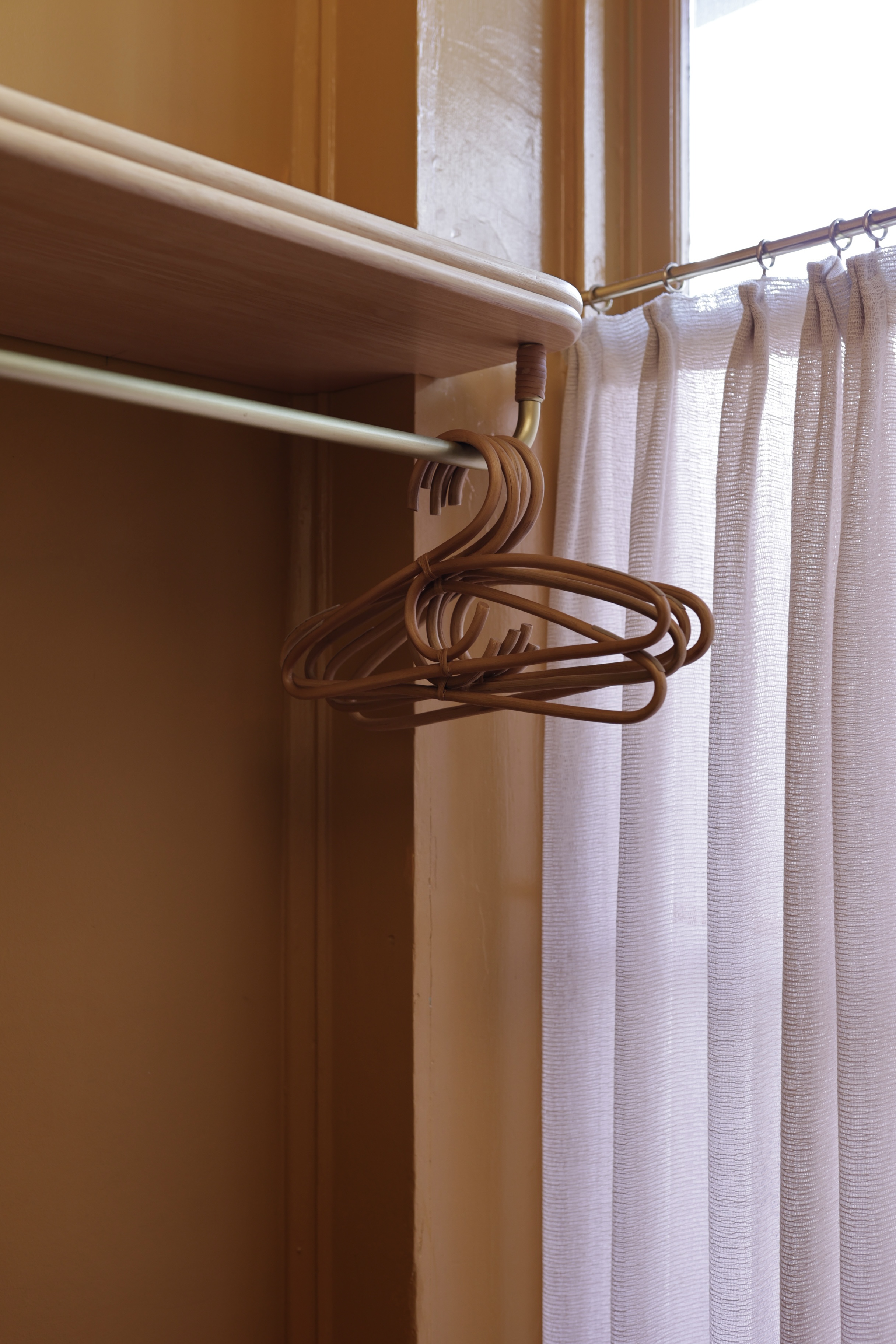
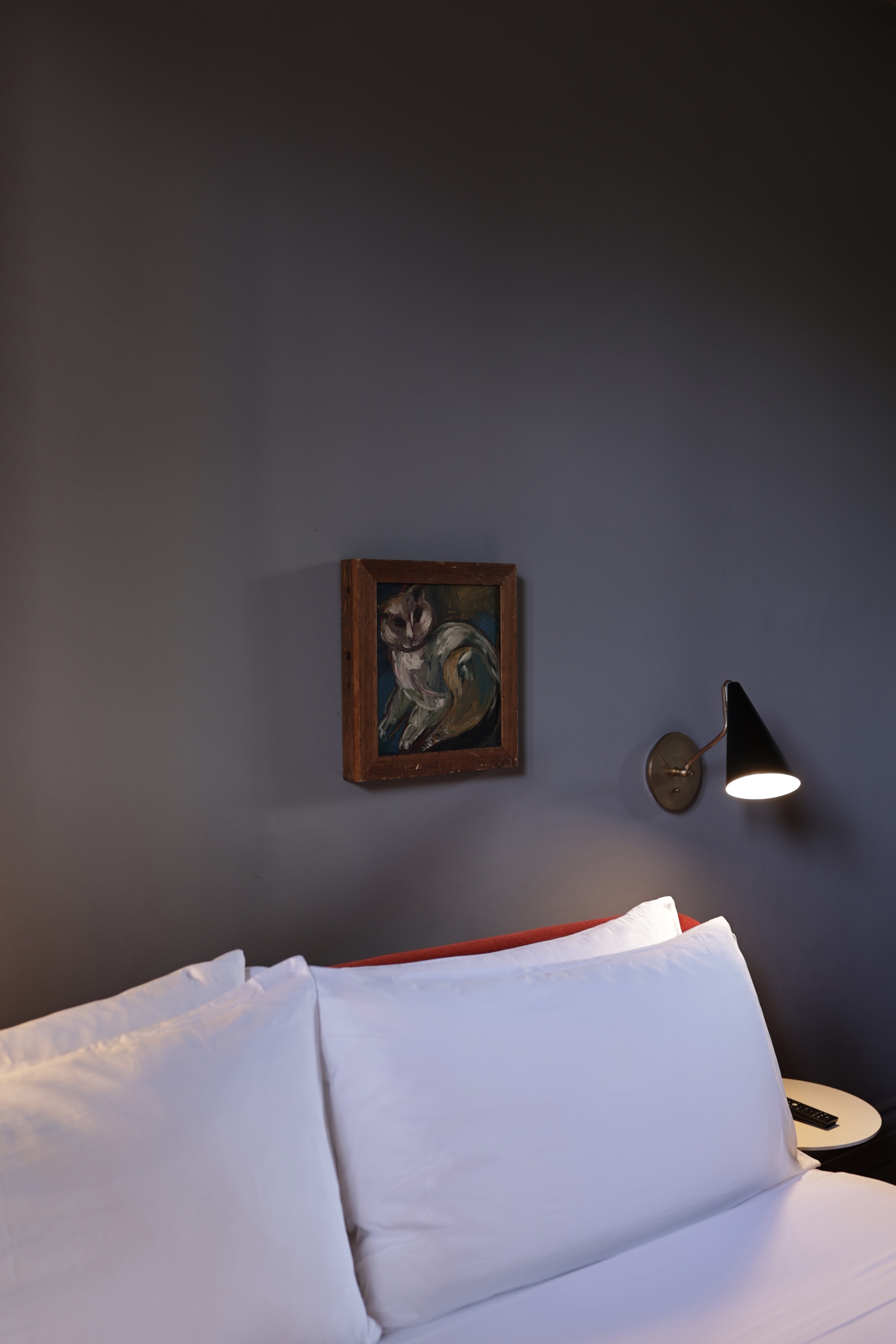
The colour palette moves from grey to coral to red to gold, all kept intentionally moody. The guest rooms are painted in a mix of Farrow & Ball’s Elephant's Breath and Mole’s Breath, which the design team started calling Gator’s Breath.
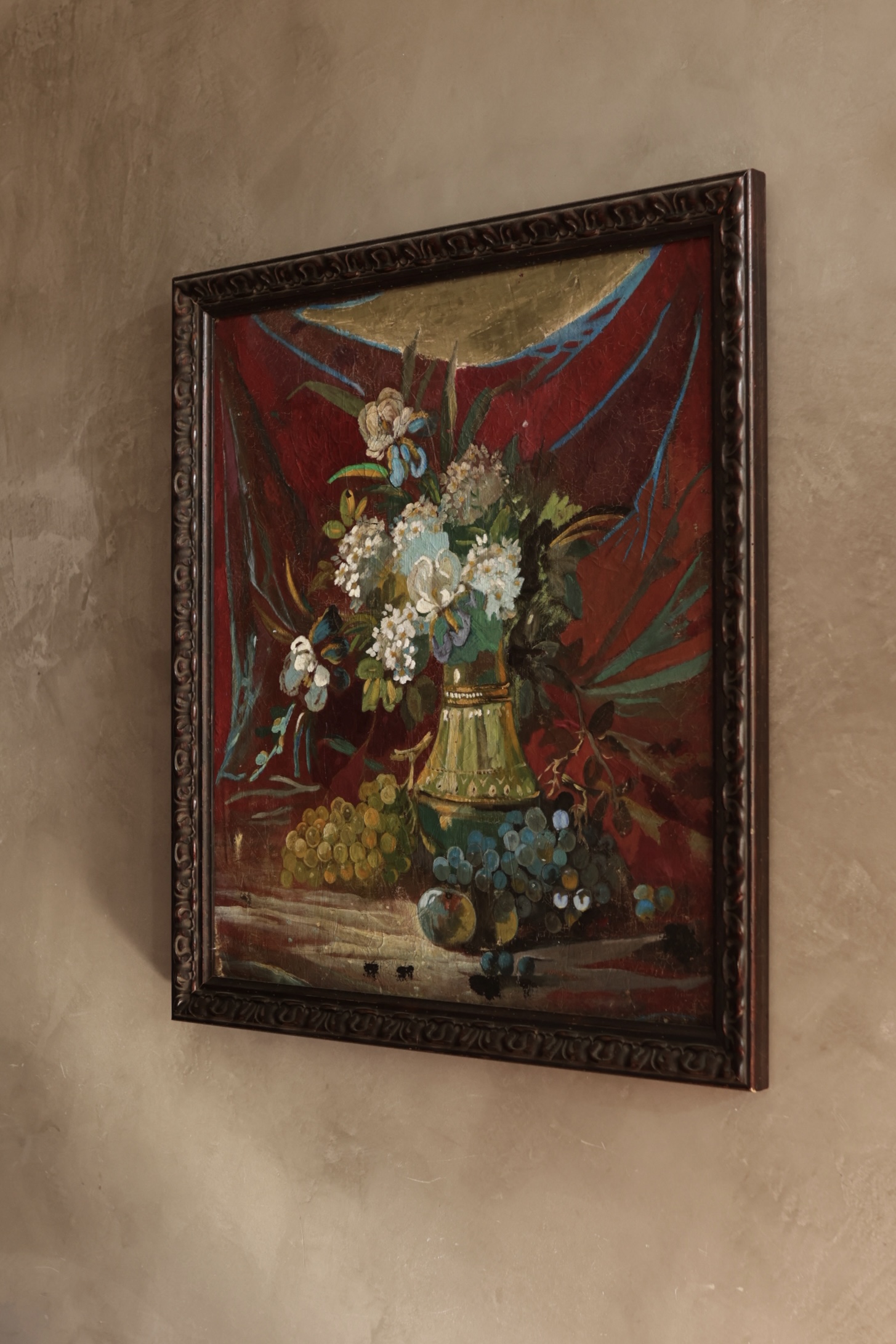
There’s deep red mohair, salmon velvet curtains, Carrara marble, and lobby chairs in red velvet and teak, all picked up as vintage finds. Coffee tables and corridor chairs were tracked down at Lucullus and Merchant House, and there are custom 70s Murano glass chandeliers dotted around. Oh, also, the design team's much-loved psychedelic print turns up on the robes and headboards.
It’s a lot to take in.
Rooms
The rooms at Hotel Saint Vincent keep the history alive. There are Mary Suites in the corners, looking out onto a statue of the Virgin Mary hidden away in her grotto, and Sister Studios lining the fourth floor.
This place, which was once a Civil War orphanage, is now converted into something sensual and slightly shadowy, with just a trace of mischief. Whether that’s considered design or something a bit more macabre will depend on how long you let the word ‘asylum’ ring in your mind. I doubt the piety and the decadence are ever meant to make peace with one another fully.
The aforementioned Sister Studio is an entry-level room and easily the darkest. It’s the nun’s cell, taken quite literally, with soft, low-lit lighting. It’s definitely not for everyone.
If you’re after something sunnier, I’ll nudge you towards Magazine Queens or the Crescent and Courtyard Kings (the latter with its own little courtyard by the pool), and then the Veranda with a walk-in shower, a proper dressing area and a semi-private porch.
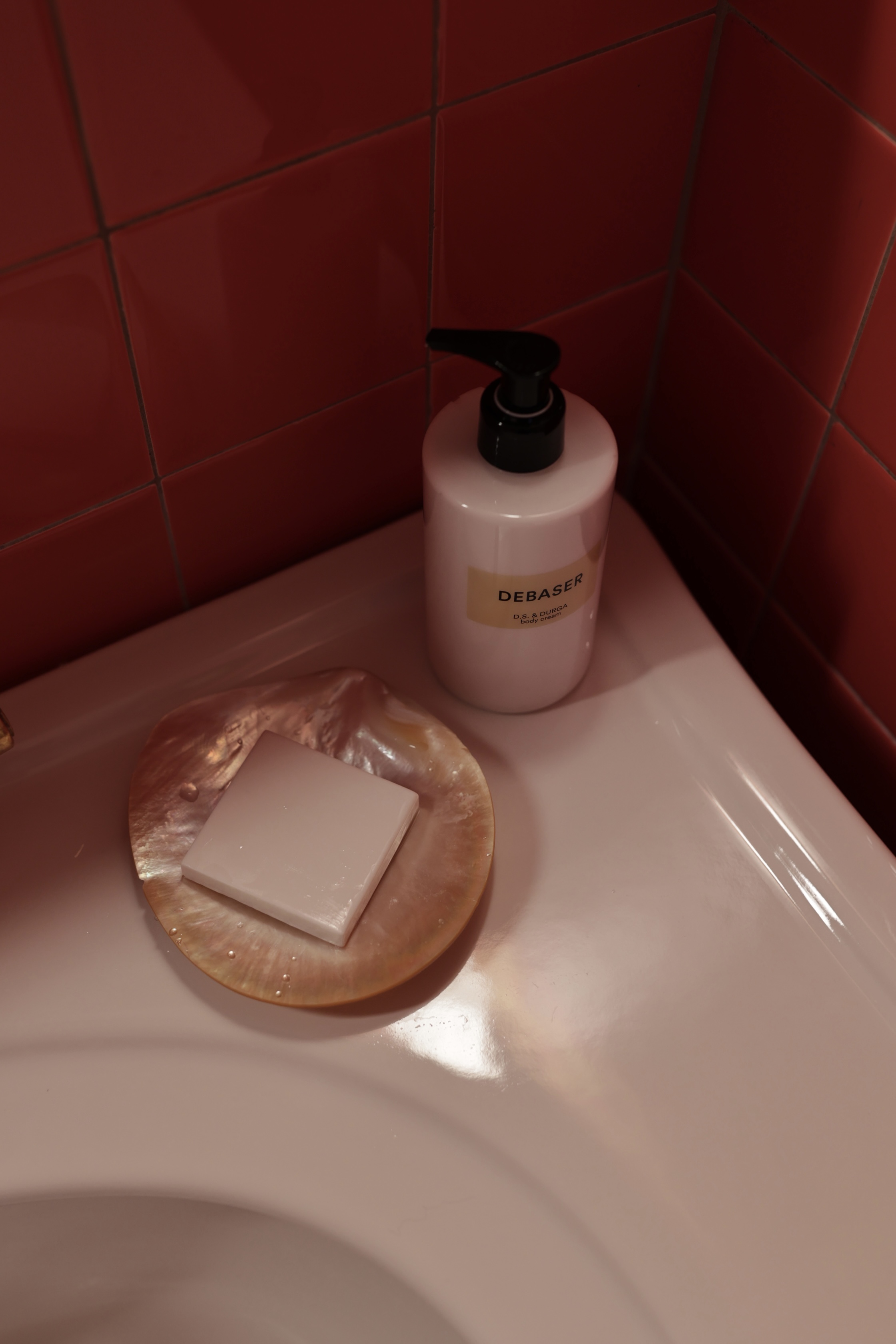
In all rooms there are custom Italian linens on the bed and D.S. & Durga toiletries at the sink. The bathroom is a design statement, photographing beautifully, but it’s not totally functional. For a few nights, that’s fine. But for a week or more, you’ll start noticing what’s been sacrificed for the sake of style.
Food & Drink
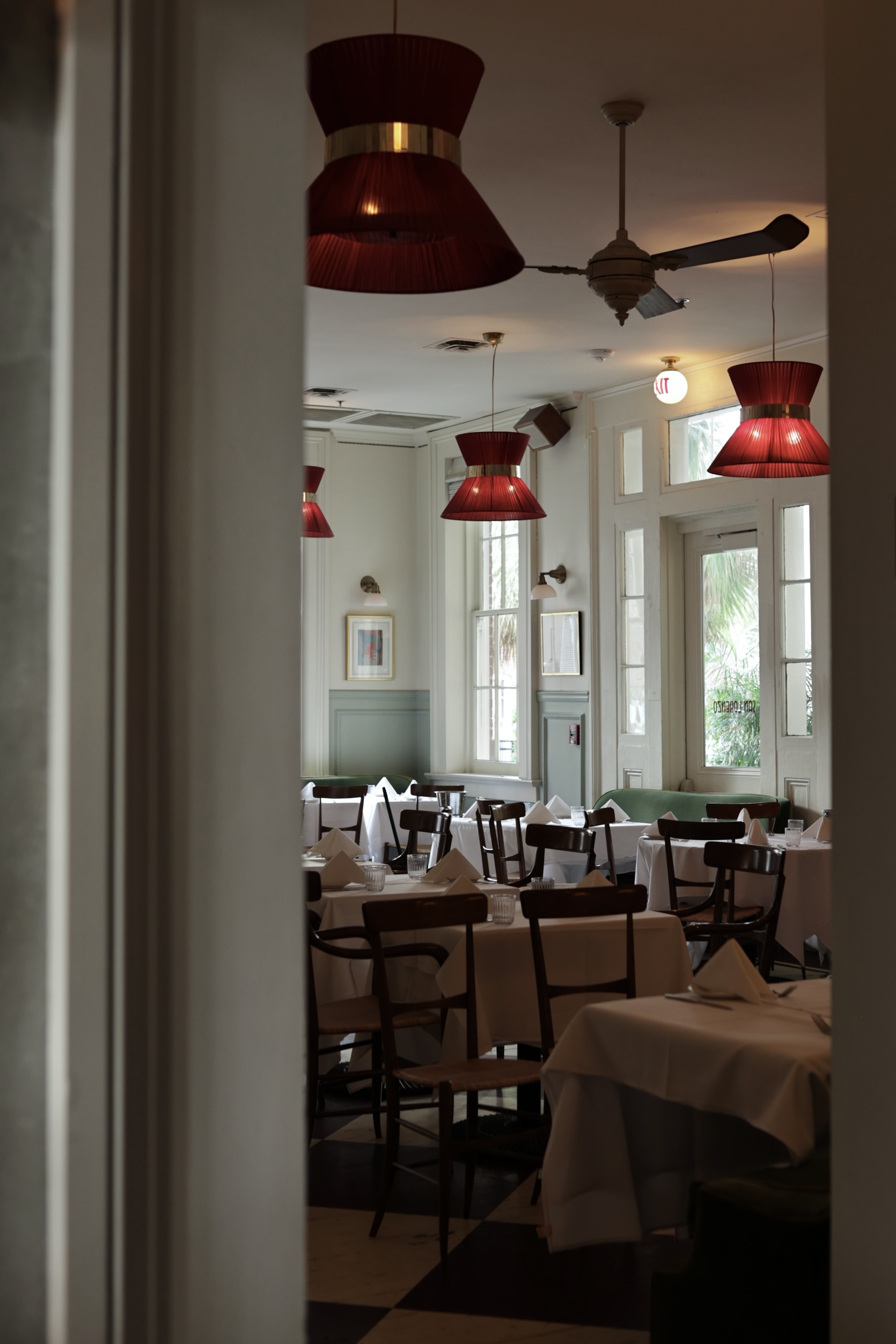
San Lorenzo is a space that people wander into and then don’t seem to leave. More than a few guests have confessed to dining there every night, which, in a city as temptingly restless as New Orleans, is saying something.
The menu is more coastal Italian, with homemade pasta taking centre stage. Larry McGuire has said that the intention was to offer something new, to step away from the classic red-sauce Creole-Italian that New Orleans already does with such pizazz. By sidestepping this, San Lorenzo lands on a fresher style of cooking, if perhaps a touch less rooted in the city.
The food is, in all honesty, quite good. It just doesn’t shout New Orleans in the way that I’d like as someone not from here.
Elsewhere, Elizabeth Street Café is a transplant from Austin. The group’s well-regarded French-Vietnamese spot now finds itself on Magazine Street. You’ll get to eat bánh mì, pho, red curry dan dan noodles and pastries.
Ordinarily, this sort of import might seem redundant. But in this case, it works. New Orleans, after all, boasts one of the most vibrant Vietnamese food scenes in the South, so a French-Vietnamese café doesn’t feel parachuted in. Dare I say it’s a bit dear for what it is, but it’s utterly charming.
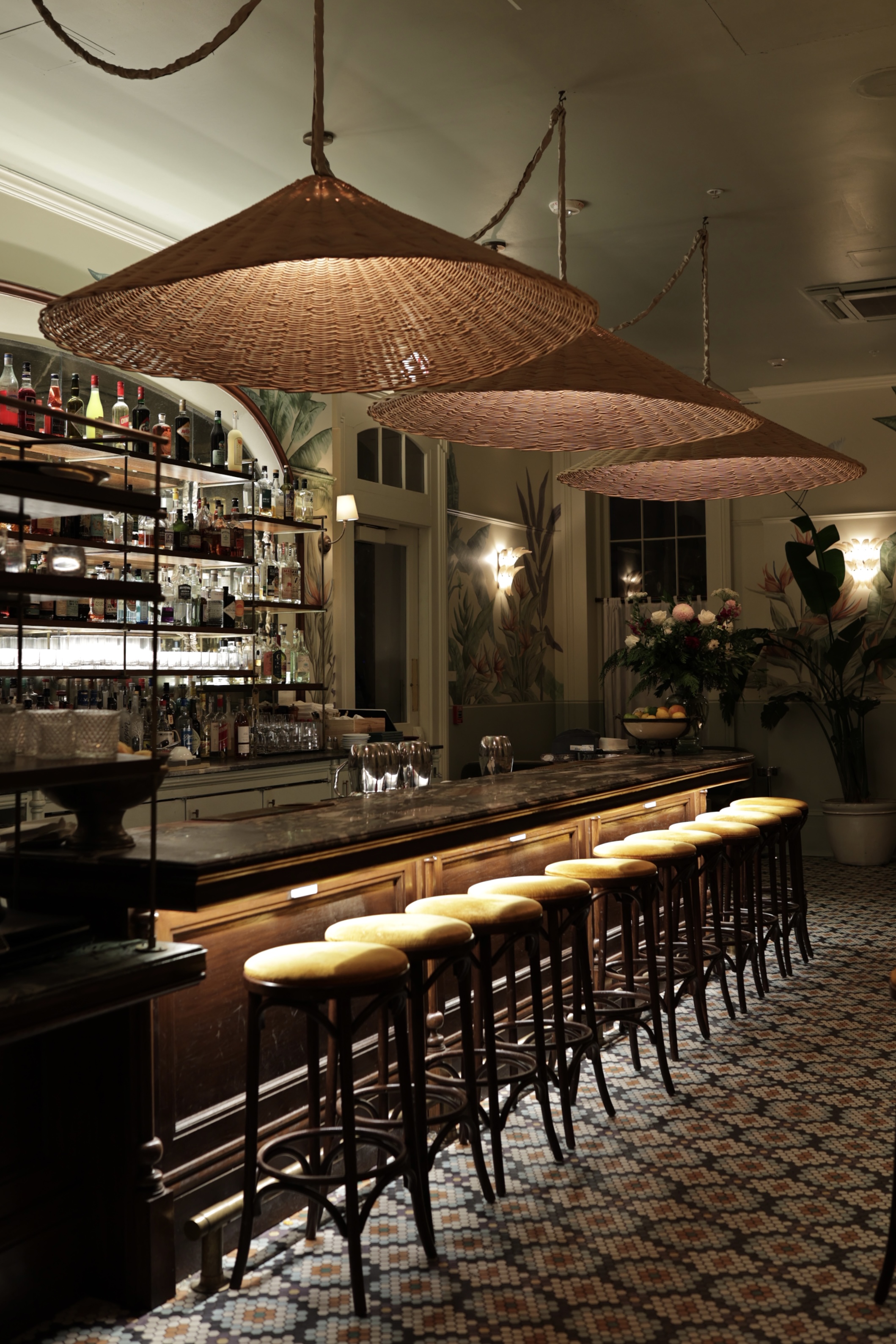
For drinks, the two bars on-site neatly express the spirit of the hotel. Paradise Lounge is light and open, just off the lobby, serving spritzes and classic cocktails beneath murals by a local artist. Chapel Club, on the other hand, is its moodier counterpart and arguably the true heart of the place. It’s reserved for guests and members, with Sazeracs, Absinthe Frappes, live music, and the air of a grand hotel salon with a sly wink.