Noteable Amenities
Location
Bowie House is at 3700 Camp Bowie Boulevard, right at the museum end of the street it’s named after, in Fort Worth’s Cultural District.
The name itself is a bit of a Texas grab-bag. Camp Bowie for the First World War training camp, the camp for Jim Bowie, Bowie for the knife and the Alamo. The boulevard tries to keep up, with its red Thurber bricks from the late 1920s and the old streetcar rails still hidden underneath. Though, to be fair, those famous bricks only really start further west, heading out towards Crestline and Ridglea. Here, outside the hotel, the boulevard is just a broad, busy road, and the scene at the entrance is anything but cowboy country.
The Kimbell is just a few blocks away, and it might be the most perfect museum building in America. Travertine, those cycloid vaults, and that delicate line of silvered daylight running through the length of each gallery.
Just across the grass is Tadao Ando’s Modern, with board-formed concrete and a reflecting pool. Philip Johnson’s Amon Carter is only a short stroll further. The National Cowgirl Museum, the Science and History Museum, Will Rogers Memorial Center, Dickies Arena—it’s all there, all within easy reach. It’s one of the more dense clusters of serious museum architecture in the country, and the mood is unmistakably austere and high-modernist through and through.
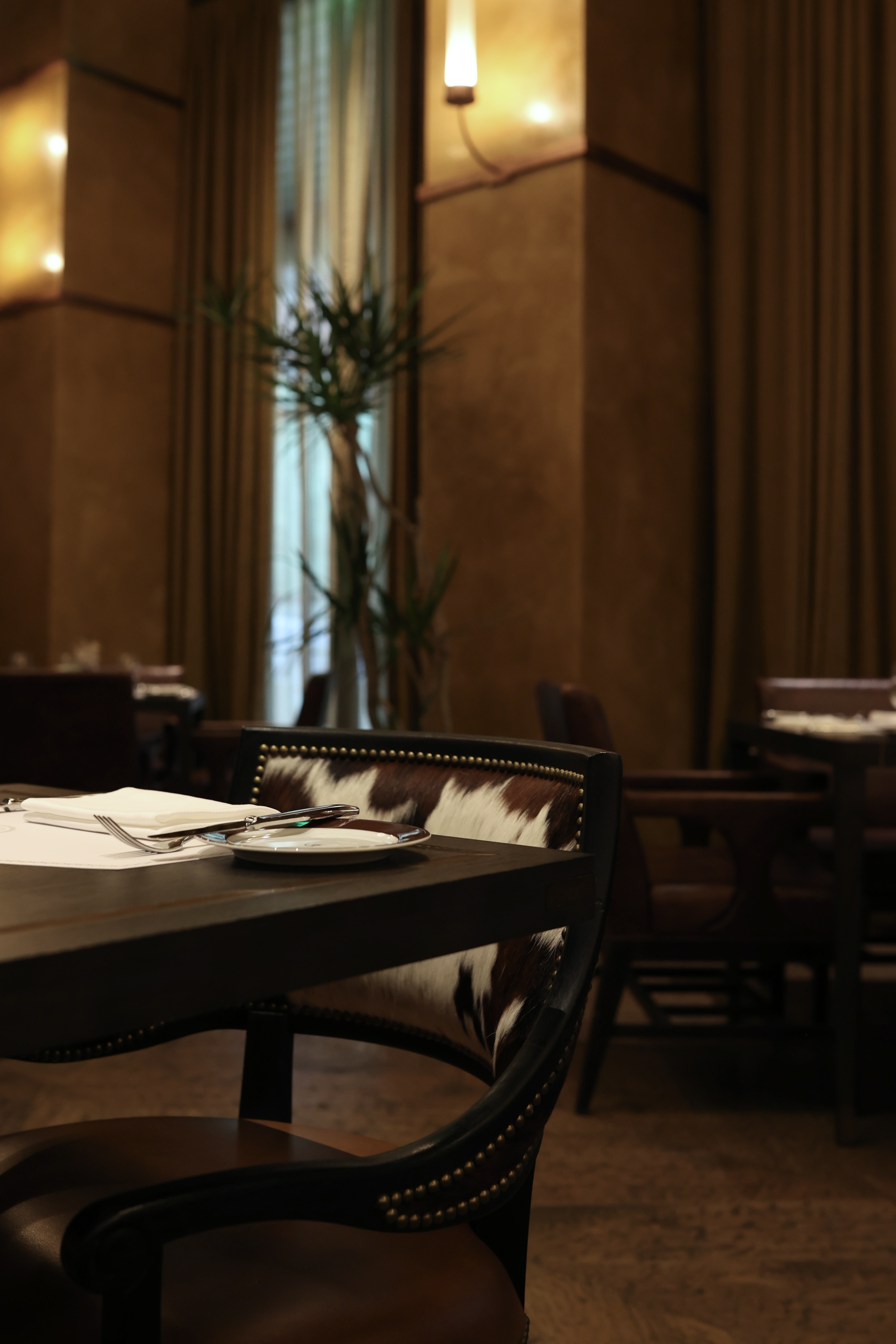
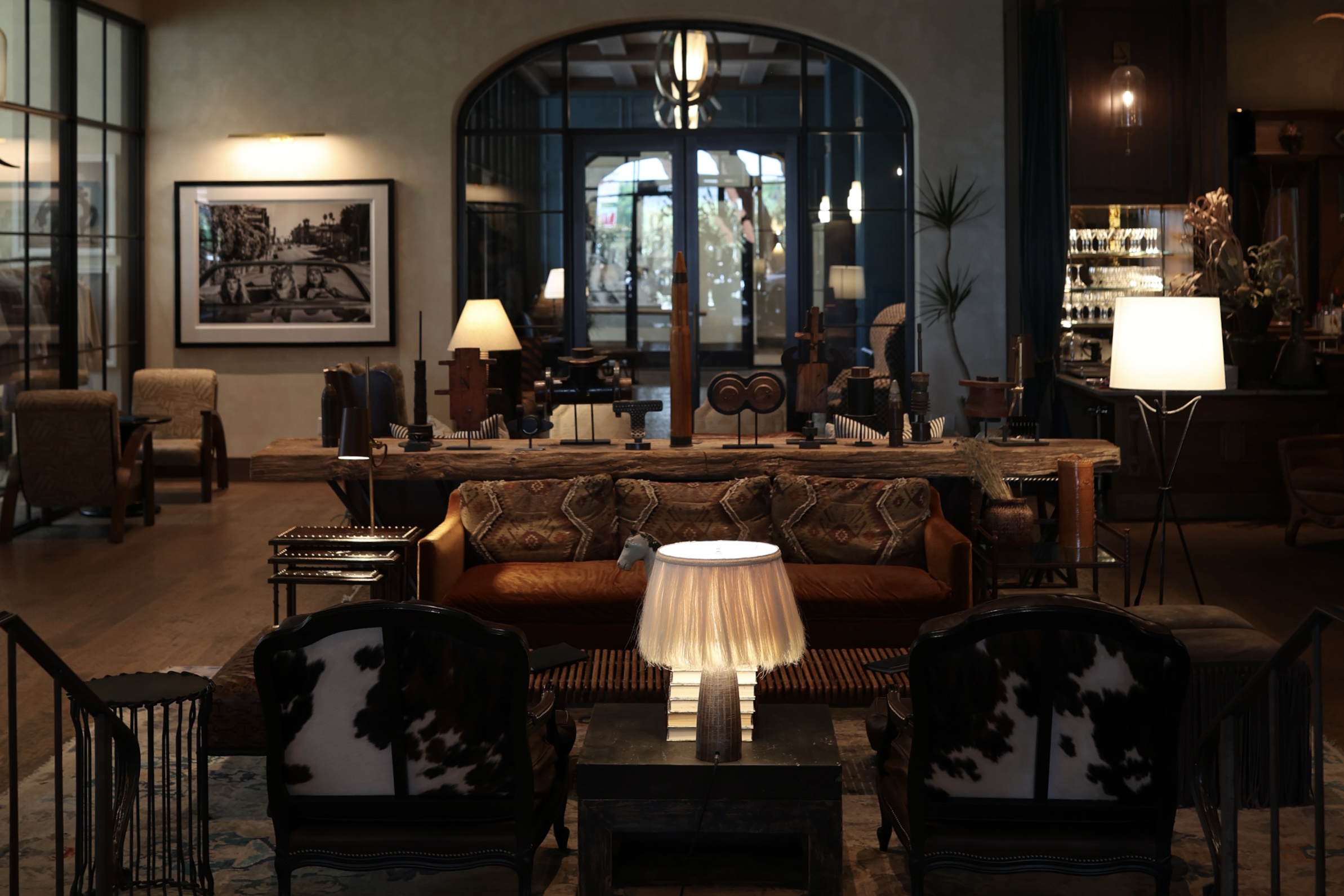
Meanwhile, Bowie House is all cowhide armchairs and equestrian daydreams—a sort of Ralph Lauren vision of Texas. You could take that as the hotel offering up the frontier fantasy that the museums are far too reserved to entertain, or perhaps as a bit of dress-up next to the real thing.
The location is spot on, though. The Stockyards are 15 minutes north. Downtown and Sundance Square are a little to the east, and DFW is about 40 minutes away. Everything in the Cultural District is walkable.
Design
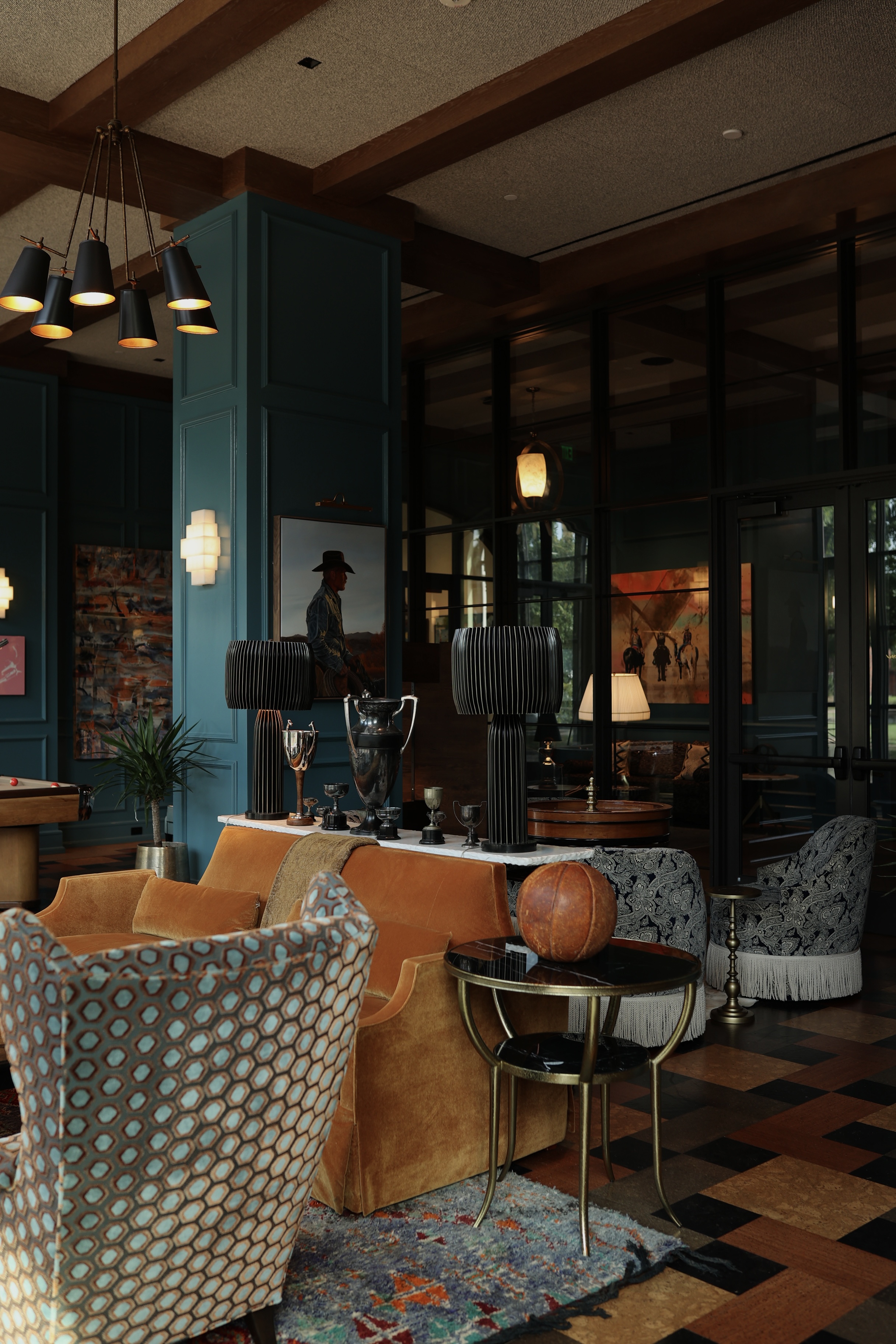
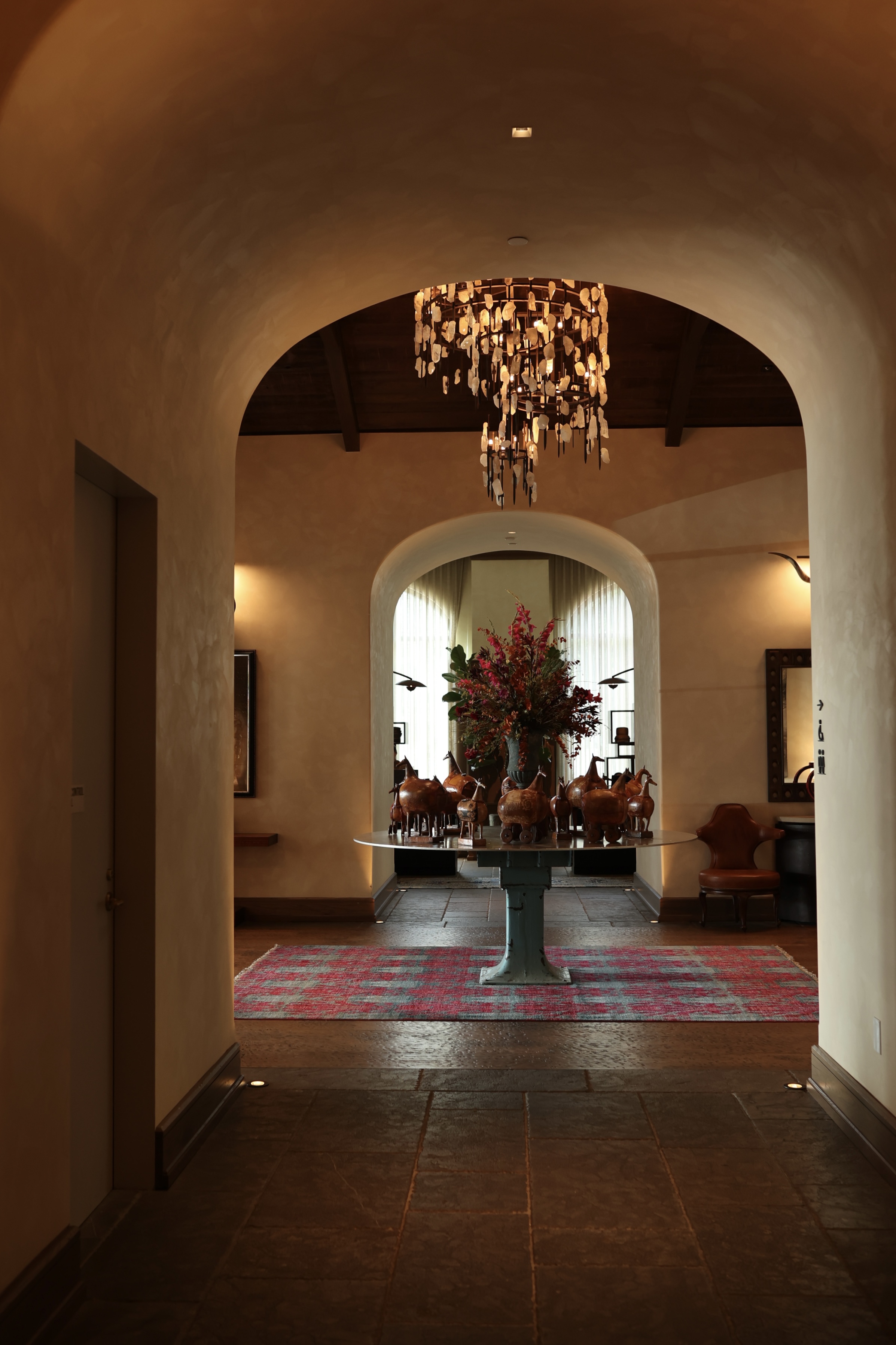
The main thing to understand about Bowie House is that it isn’t a hotel shaped by a designer’s vision, but rather by its owner’s. Jo Ellard, a Dallas businesswoman, a serious art collector and a Hall-of-Fame cutting-horse breeder, has spent a considerable amount of time in Fort Worth, and she bought a cottage on this very site long before it ever dreamt of becoming a hotel. Her taste is the guiding force. BOKA Powell, a sizeable architecture firm from Dallas-Fort Worth, handled the architecture and interiors, but really, they were executing Ellard’s vision. The so-called ‘signature style’ Auberge likes to mention is, in truth, the eye of a collector, not a design studio’s grand concept.
Facing Camp Bowie, the façade is classic, with brick and cast stone, arched doorways and other architectural nods you’d expect from an old Fort Worth institution. But wander through the courtyard towards the pool terrace and the cluster of residences, and suddenly it’s glass, light, and water—a deliberate transition, according to Ellard.
The team are keen to point out that it’s far from rustic ranch, which is true, but it does hint at a certain nervousness about where the line is drawn. Whether it comes across as real taste or just a well-executed theme is the same question the location already posed, only now you’re standing right in the middle of it.
Where the owner-led approach really shines, however, is in the art. Ellard is a collector, and the walls reflect that, showcasing works by Texas artists and artisans instead of the generic, by-the-metre prints you tend to find in luxury hotels (Auberge included).


Rooms
There are 106 of them, categories named Roan and Sorrel after horse coat colours, Boulevard after the street, a Goodnight Suite that plays on Charles Goodnight, the trail-driving cattleman, as much as on bedtime. The Western is coded for the guest who’ll catch it and invisible to the one who won’t.
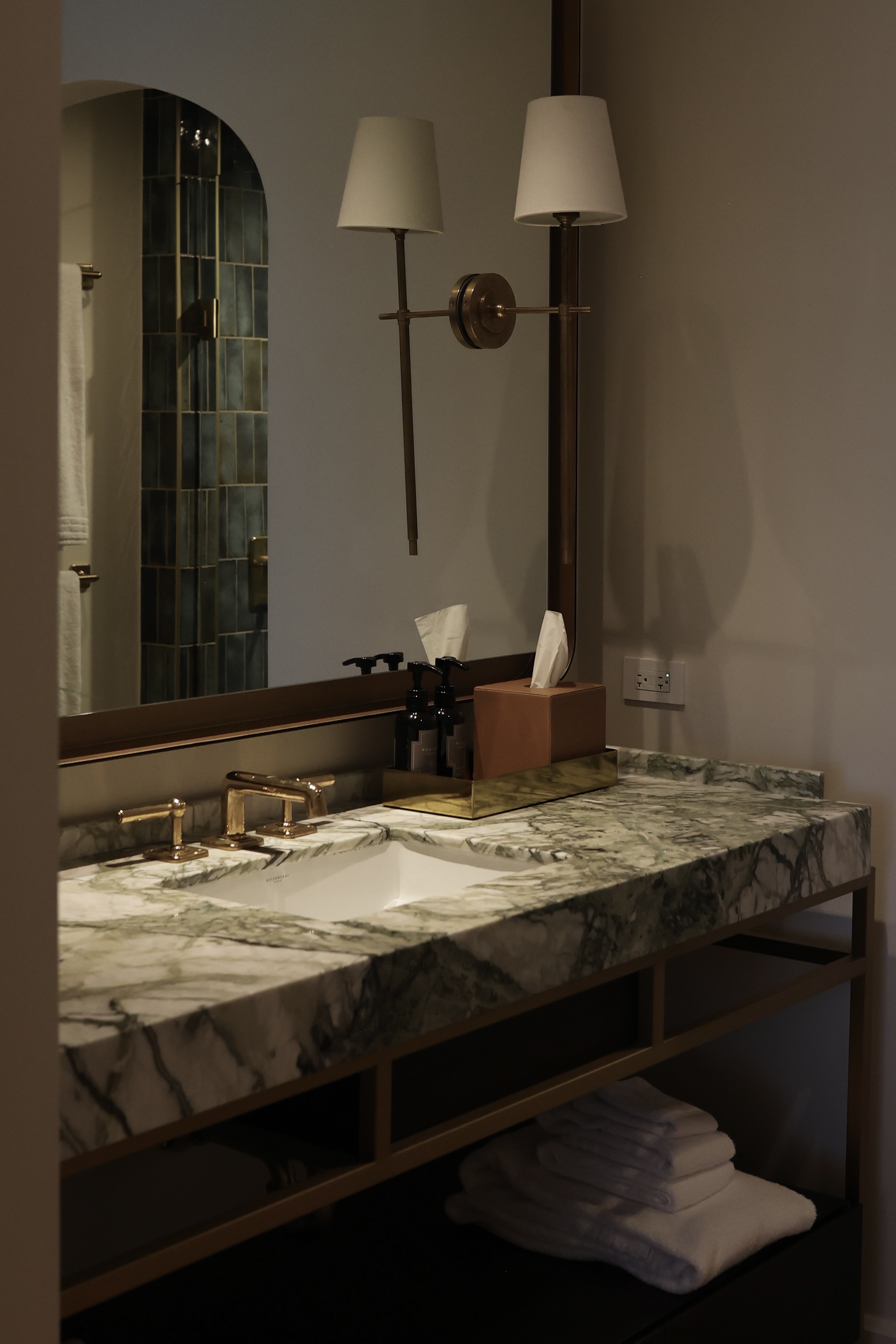
Inside, it’s plush and quiet, the big windows pulling in hard Texas light. Rooms run past 400 square feet, many with balconies; bathrooms are marble with rain showers (water pressure’s, well, okay), and suites add soaking tubs and, higher up, breakfast nooks and loft second floors.
You’ve got hat racks, a boot bench, leather-wrapped furniture and Ellard’s art collection reaches into the rooms, too, so the walls aren’t hotel-issue either.
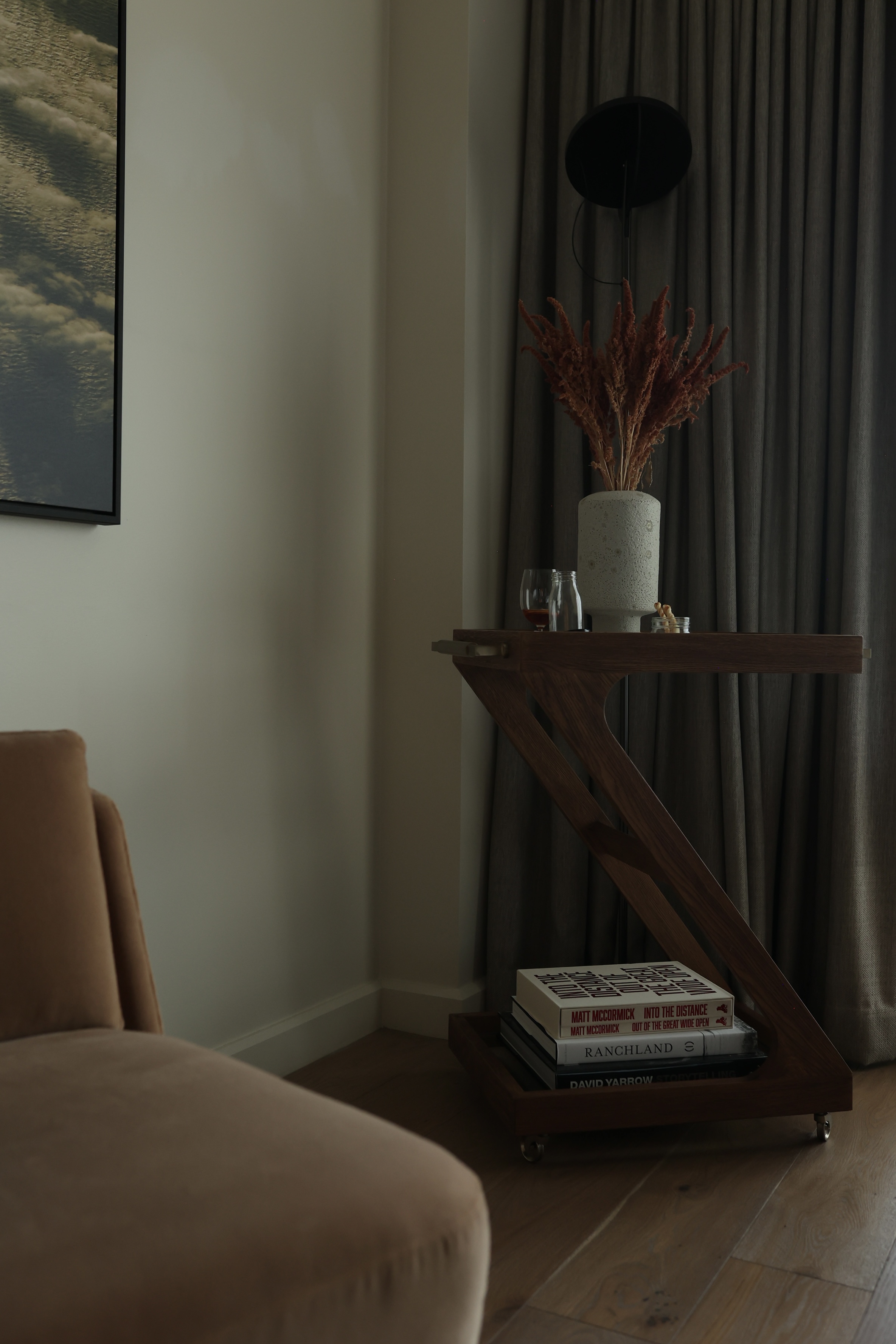
The one flourish worth the photography is the bar cart. Every room gets a personalised one—the minibar reconceived as furniture and as a gesture, the drinks trolley a good Texas host wheels out—and it’s the single element that commits to the ‘private home’ idea the whole place is selling.
The hotel has become famous for its patchy service, but at least the rooms are lush. It earns its praises.
Food & Drink
Food is where Bowie House appears to take itself most seriously, but the naming leaves something to be desired. The main restaurant, Bricks and Horses, operates as an establishment in its own right. It has its own name, its own website, its own reservations line and a dining room that draws locals who may never set foot in a guest room.
Executive chef Antonio Votta trained in San Francisco, including time in Michelin-starred kitchens, and the sourcing reads like a roll call of Texas ranches. Wagyu from Rosewood Ranch, Angus from the 6666, lamb from Capra Farms, game from Broken Arrow, much of it cooked over charcoal in a Mi Brasa oven.
The menu is anchored in dry-aged local beef, accompanied by a confident display of Americana. This is a kitchen with a clear perspective and the resources to match.
All of which makes the naming a little self-sabotaging. ‘Bricks and Horses’. ‘Whinny’s’. When the local paper asks, not once but twice, if those are really the names, you know the branding has somewhat missed the mark. It’s exactly the sort of twee Western signalling that the rooms themselves managed to avoid, but here it is, applied to the one area that needed no such embellishment.
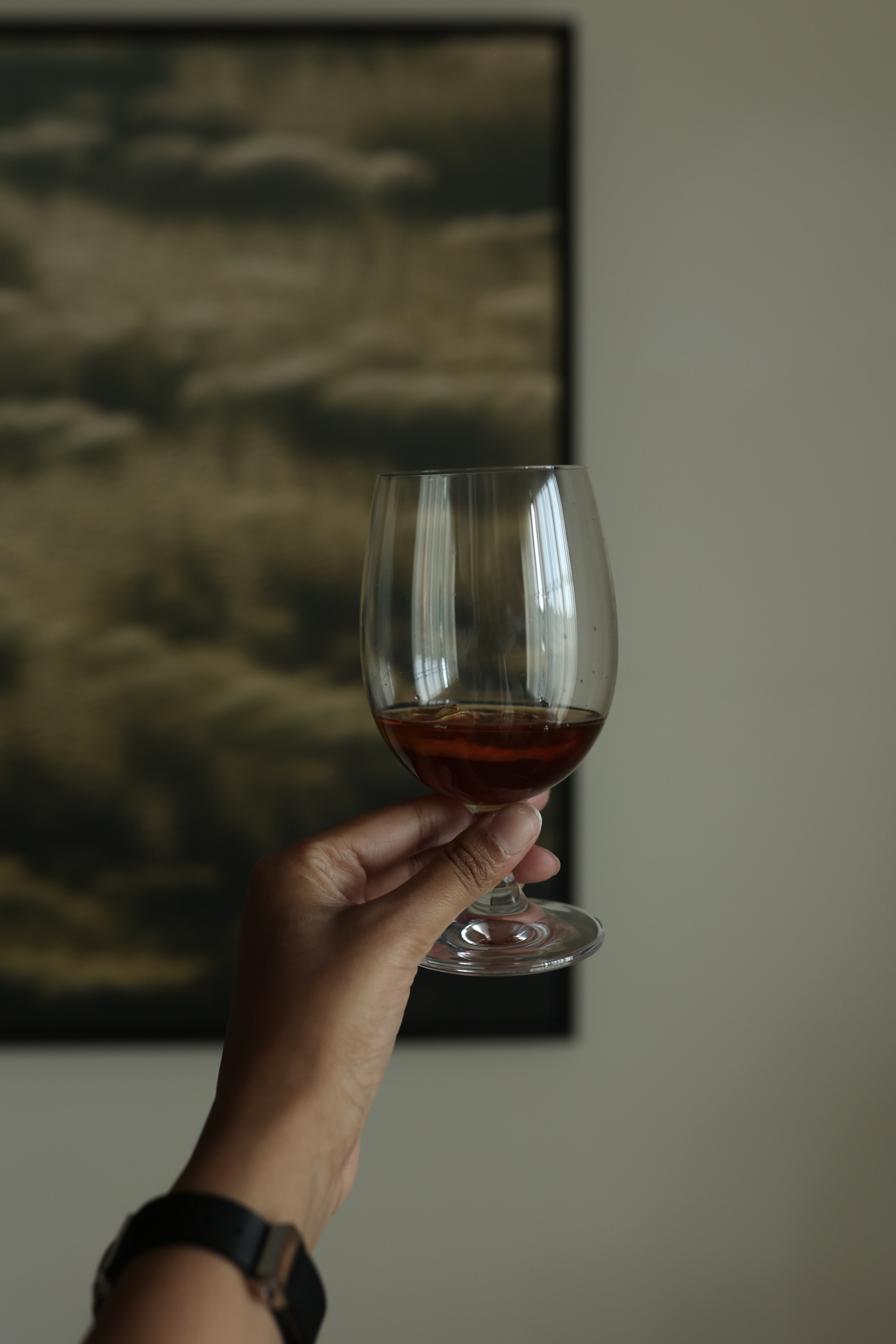
The real treat is The Bar. It’s centred around a carefully restored antique saloon bar—a true piece of history instead of a replica. The focus is on whisky, with the warmth of a double-sided fireplace.
By the pool, Whinny’s handles the lighter, seasonal fare via salads, crudités, ice cream sandwiches and frozen drinks. Its concept has wandered through several identities in the press, from ‘Middle Eastern-Texas barbecue’ to ‘Mediterranean’, before settling on something vague.
The Mulberry Room library and the Billet games room are fun areas, offering spaces for work, phone calls or simply whiling away an afternoon.
There is, however, one caveat that seems to run through it all, and it’s not just about the food. As I briefly touched upon, service is slow and inconsistent, with both the dining room and the front desk still trying to match the ambition of the room rates. For a hotel that’s so considered in every visible detail, it’s a noticeable oversight.