

CHECKING IN
Picture this: you’re in a hotel room. You haven’t left the bed. And someone arrives with exactly what you ordered, presented with more care than necessary. It’s indulgent. Perhaps a little ridiculous. And increasingly, it’s disappearing.
This week, I’m looking at what the slow death of room service reveals about the state of luxury in hospitality, and why these seemingly small gestures still matter more than ever.
We’ll touch upon what’s being lost, what’s being reimagined and more of the little luxuries that a hotel should be offering—the things that take good to great.
Let’s get into it.
THE DEATH OF ROOM SERVICE
Room service is one of those near-universal signals of good hospitality. You arrive at a hotel, crumpled from travel. You peel off your clothes, take a hot shower, and the tray would come. The food didn’t need to be exceptional. That was never really the point. It was the gesture of it—the fact that you didn’t have to leave your room to be looked after.
But that gesture seems to be vanishing in properties that want to be taken seriously in the luxury category. In the cases where room service does survive, it’s become a perfunctory, thinned-out version of itself—i.e., it might only be available at odd hours, or worse, outsourced entirely to an app.
At first, you might conclude that this is simply a reflection of changes in guest preferences. And to an extent, that’s true. The rise of third-party delivery apps has trained travellers to expect instant access to whatever cuisine they want, often faster and cheaper than in-room dining.
Post-pandemic, the idea of a DoorDash bag arriving in a luxury hotel lobby no longer feels incongruous. It’s been entirely normalised. But what’s more telling is how quickly hotels have embraced this norm. They both permit and facilitate it.
By 2023, the majority of US hotels reported being short-staffed. Maintaining a 24-hour kitchen became operationally impossible, or at least, easily deprioritised. At the same time, room service revenue dropped over 30% compared to 2019 levels. In most instances, it accounted for less than $1 of food revenue per occupied room.*
You can’t make this up.
Those numbers gave hotels the justification they needed to quietly retire the offering altogether.
Rather predictably, it’s been framed as ‘efficiency’, as if efficiency were a virtue in itself. But what we’re really seeing is a redefinition of what ‘service’ and ‘hospitality’ mean, and with that, a redefinition of what ‘luxury’ means.
Luxury used to be about effort on the guest’s behalf being reduced, if not eliminated. You asked for something, and it arrived (within reason)—sometimes before you could ask.
Now, the burden is placed back on the guest. You’re the one who has to order. You’re the one who has to coordinate. You’re the one who has to retrieve.
Call it freedom or flexibility, whatever. 'Eat what you want, when you want, from wherever you want’. It sounds nice in theory, until you realise you’re still the one who has to go downstairs and meet the delivery guy or gal.
And of course, there are exceptions. Some properties (those that really understand luxury as a philosophy rather than a price point) are doubling down on the theatre of in-room dining.
At Solage (Auberge Resorts Collection) in Napa, a caviar concierge delivers tins on ice, complete with blinis and all the appropriate fanfare. Meanwhile, Royal Palms in Scottsdale has replaced its classic tray delivery with an in-room cocktail trolley at sunset. And the Equinox Hotel in New York brings wellness-focused meals in sleek, neatly sealed tiffin boxes, designed to keep strong smells and spills contained—a thoughtful solution to the very real problem of your room smelling like miso salmon for the next six hours.
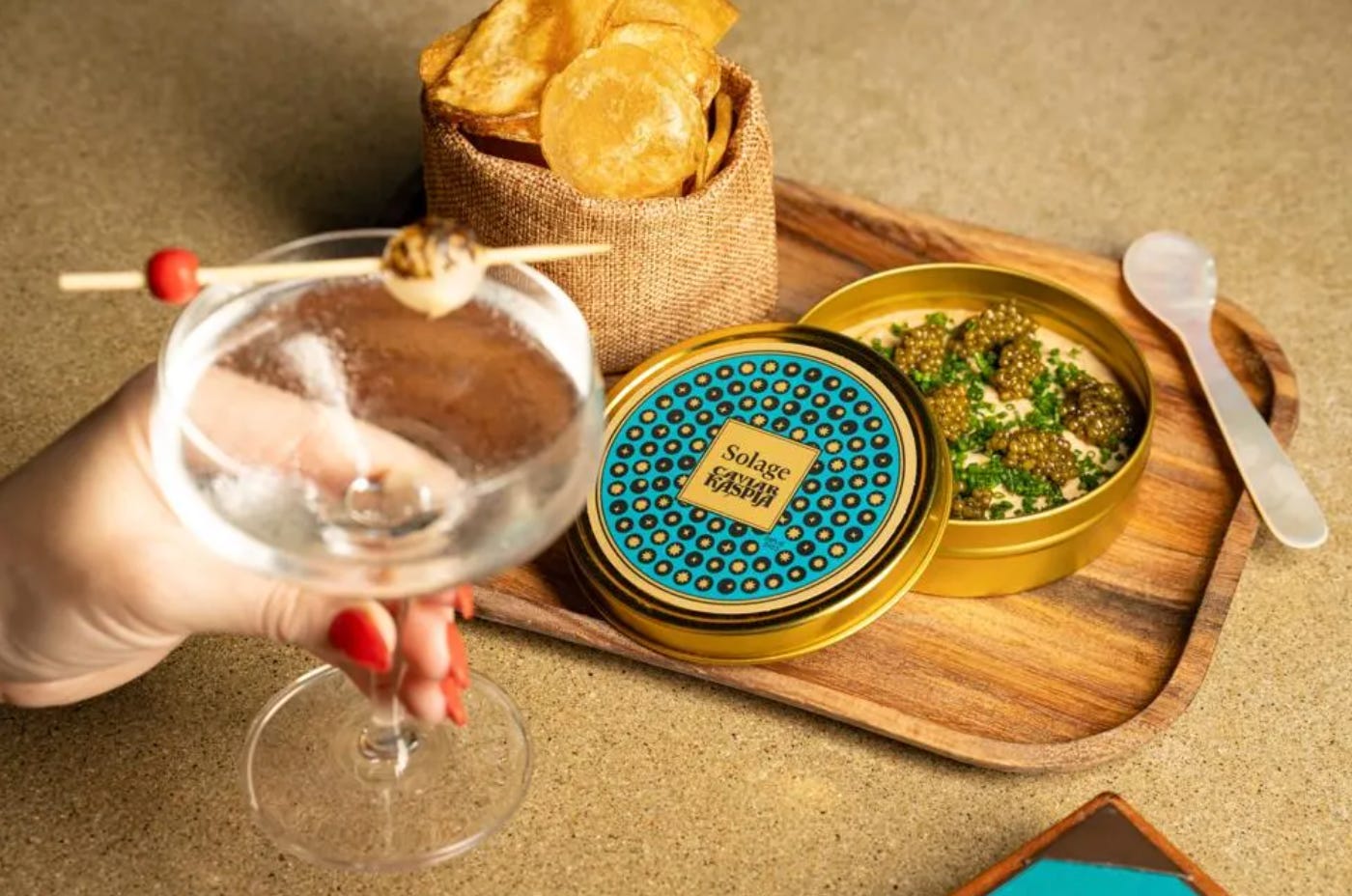
These offerings are reinventions, proof that the idea of being served in-room hasn’t lost relevance. It’s just had to evolve.
What’s been abandoned isn’t room service itself, but the bloated, unconsidered version of it—the overpriced club sandwich, the 90-minute wait to be fed. Guests have never stopped wanting to feel looked after. They’ve just stopped wanting to overpay for mediocre food on a silver tray.
It’s an easy thing to judge a hotel on. The hotels that retain room service have to refine it or reinvent it to make a statement. They have to understand that service is about more than functionality.
When a hotel tells you they don’t offer room service, what they’re really saying is, “You can sort yourself out, can’t you?”
However, if they’ve kept it as a core offering, they’ve had to absorb the operational headache and they still decided it’s worth it, which means they understand that service, and by extension luxury, is about thoughtfulness and care.
That’s a hotel you can trust, more so on the trips where the hotel is asking to be a part of your experience, not just a container for it.
Because ultimately, it comes back to the gesture of it all—what that tray implied. The fact that your presence was anticipated and you were worth the extra mile.
*Sources
Hotel Dive - AHLA: 87% of hotels report being short-staffed (2023)
STR via The Washington Post - Why is hotel room service so hard to stomach? (2024)
THE LUXURIES THAT MATTER
After banging on about room service, it begs the next question: what else counts?
The landscape is full of design hotels and well-meaning independents, but what actually distinguishes a stay that’s memorable from one that just photographs well?
It’s become a game of how little a hotel can get away with while still making someone feel completely held. That paradox, restraint married to precision, is what makes a property feel considered.
So then, what are these modern-day non-negotiables?
The arrival
The first fifteen minutes in a hotel are crucial. The welcome should feel human, not choreographed. It’s all about atmosphere, and whether the hotel has thought about how it wants you to feel, not just what it wants to show you.Breakfast of champions
Yes, more food. Whether it’s delivered to your room or not, the quality of a hotel’s breakfast is one of the clearest markers of care. It doesn’t need to be elaborate. But it does need to feel fresh. A hotel that invests in a great breakfast experience understands that your morning sets the tone for the rest of the day.Non-generic minibars
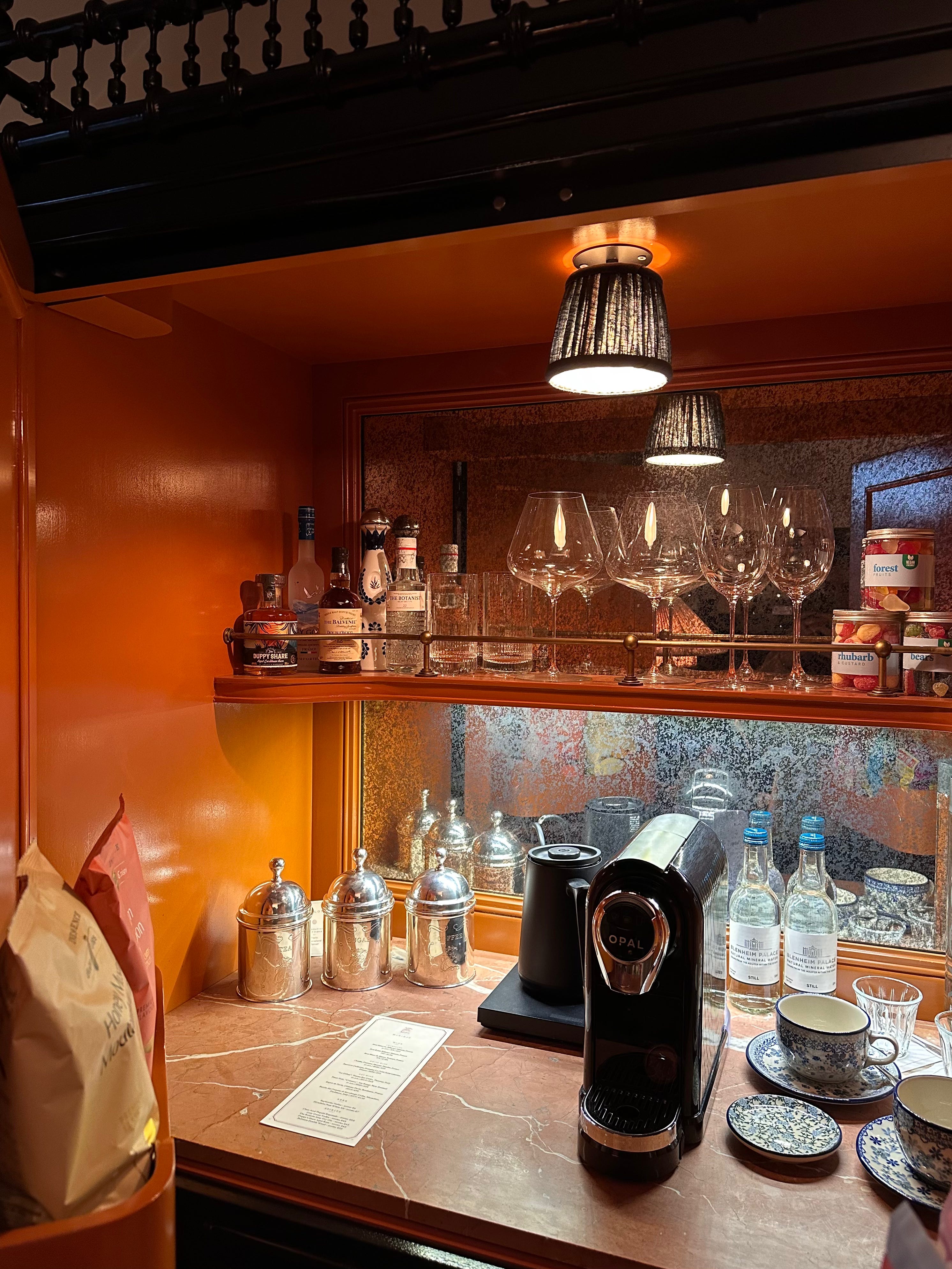
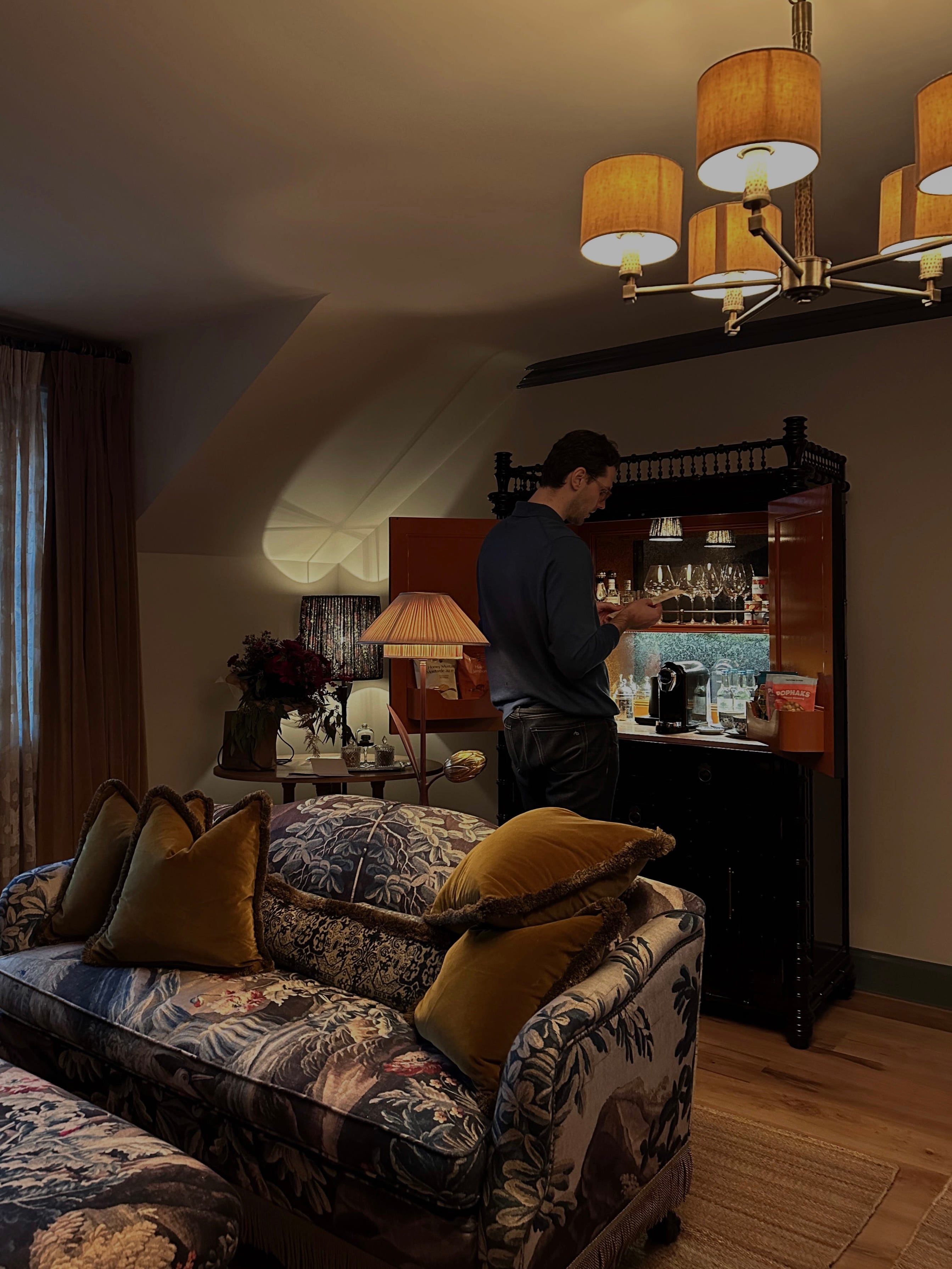
The minibar is one of the few places where intimacy and curation meet. It tells you if the hotel has taste, and if it trusts yours. We’ve moved past the era of $14 Pringles and warm white wine. Today’s minibar should feel like it was put together by someone who knows what’s good in the neighbourhood. Local chocolates. A small-batch vermouth. Maybe a tiny olive oil cake from a nearby bakery. You get the gist.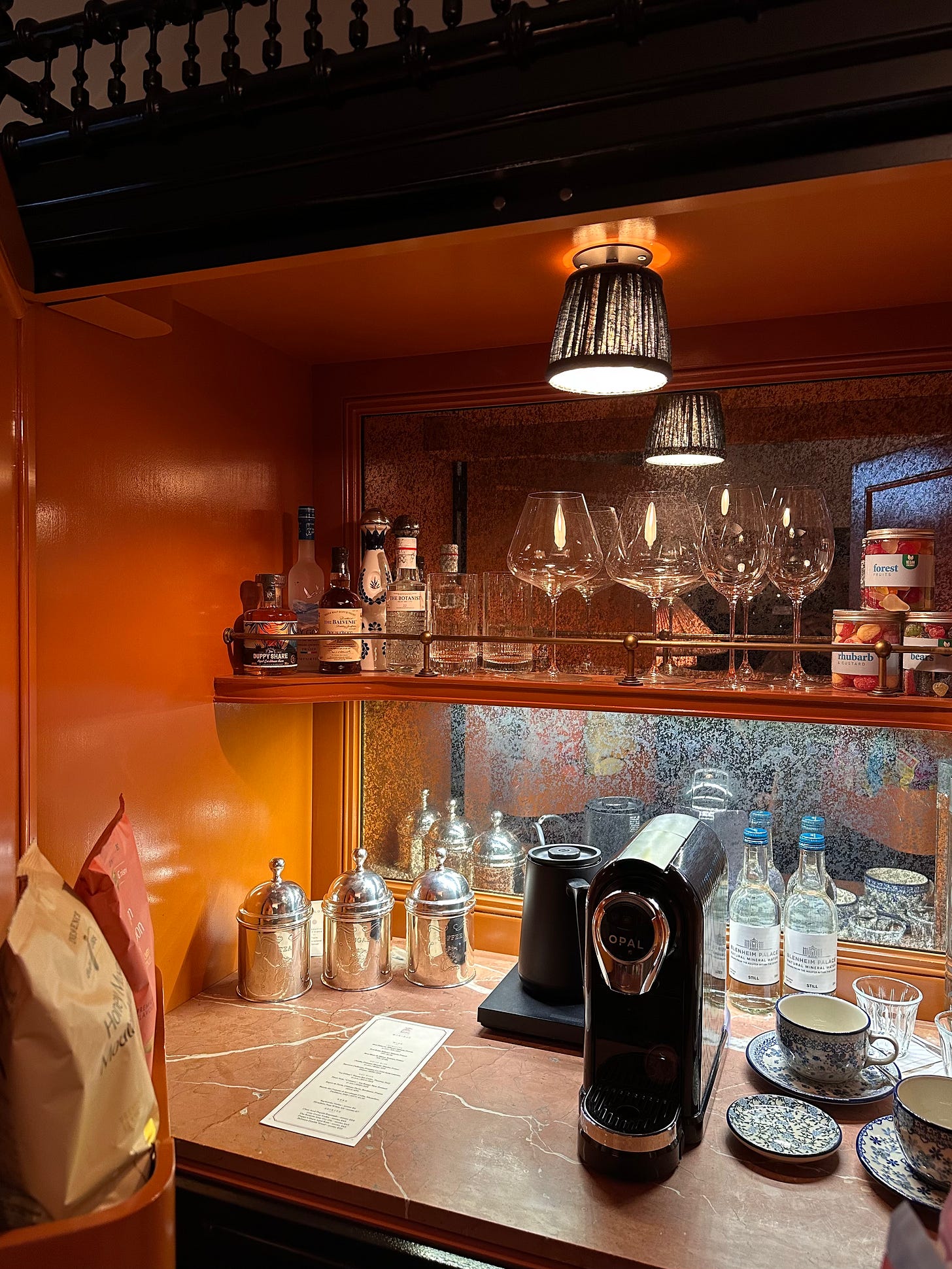
One of the best minibars I’ve experienced was at Estelle Manor in the UK. 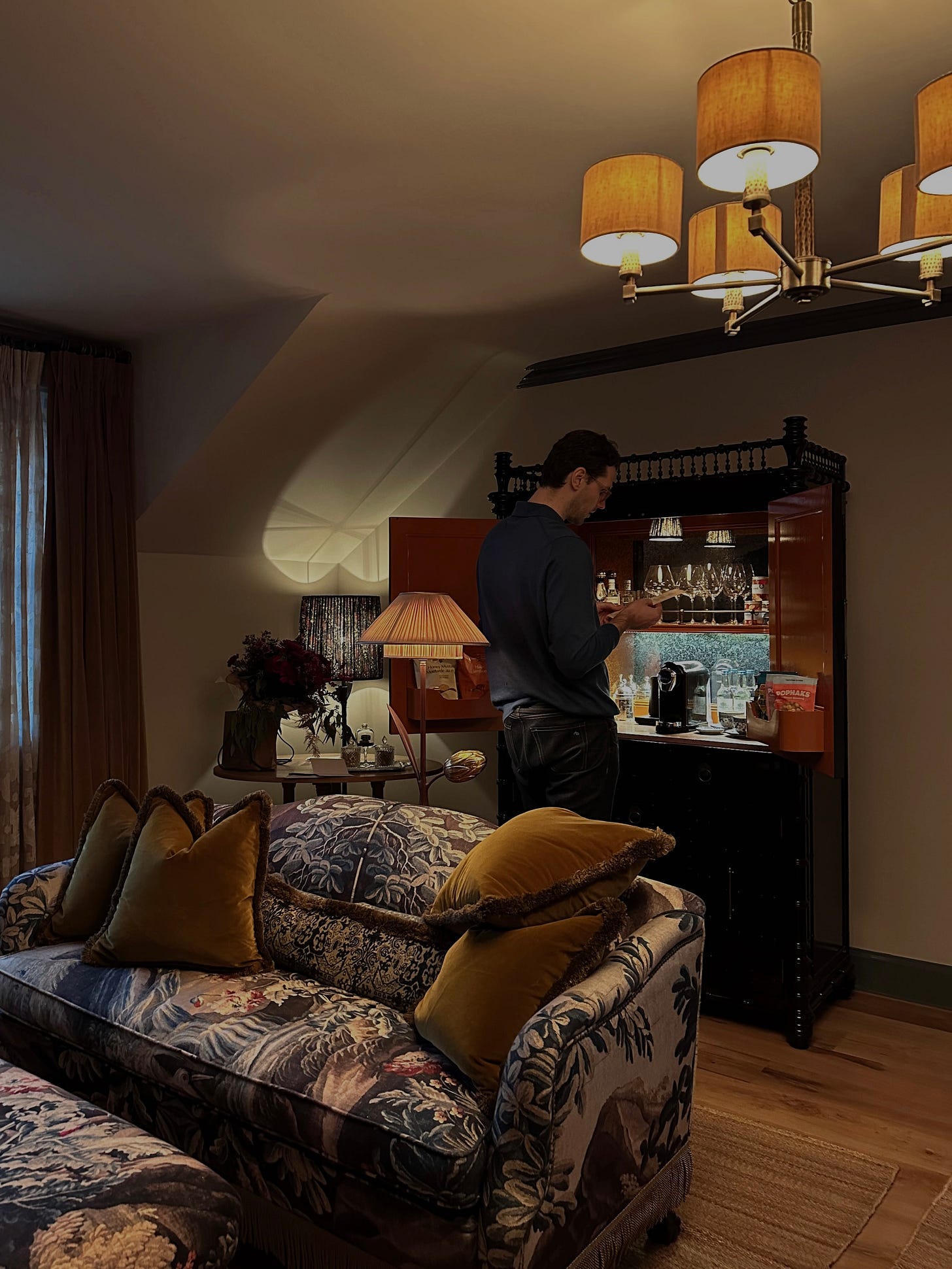
Here’s David rummaging through it. Functional design
Design matters. But not at the expense of use. I once spoke with the owner of Hotel das Amoreiras in Lisbon, who told me he spent hours obsessing over where to place the plug points. That’s the level of detail that separates aesthetic from experience. The hooks are in the right place. The bedside light is easy to use. The beauty is functional, which makes it meaningful. A guest only notices these things when they’re missing. When they’re done well, they create an almost invisible sense of ease.The option to be left alone
Truly good service respects boundaries. I’ve stayed at hotels where you’re coddled at every step, and while the enthusiasm comes from a good place, it can feel cloying. The best service is precise and present but knows when to vanish. It anticipates without intruding, and that kind of discretion builds trust.Locally rooted in most, if not all, aspects
This one has always felt non-negotiable to me. I need a hotel to understand its landscape—visually, culturally, sensorially. I don’t like when it’s performative, but a hotel does need to have a real awareness of where it sits. These are the hotels that create more resonant stays.
The idea of luxury is ever-changing, even though some things stay constant. Today, I’d say it’s not necessarily about what a hotel offers, but what it chooses to do well. And for those of us paying attention, the difference is obvious.
Catch you next Friday!
"... where the hotel is asking to be a part of your experience, not just a container for it." - brilliantly put.
long live room service.
👌