

When I think of The Plaza, I think of weddings, and I blame Bride Wars for that. Kate Hudson and Anne Hathaway play best friends who have a falling-out over the same June date there. As a non-American teen, watching that movie, I romanticised the hotel—it seemed like the place to have a New York wedding. So when The Plaza announced it would close for at least four years to restore its façade, my initial thought was ‘great, no weddings’.
Fun fact: Bride Wars was mostly shot at the Fairmont Copley Plaza in Boston, but the final scene was filmed at The Palm Court at The Plaza.
Anyway. Restoring the façade isn’t the same as preserving The Plaza. The law will take care of the rooms, but not the habit of using them, whether for weddings, afternoon tea or anything else. And while the hotel has given a reason for closing, ‘significant intrusion to operations’, it hasn’t given an explanation. That’s what this week’s newsletter is about.
POINT OF DEPARTURE
Outside of Bride Wars, the stained-glass ceiling over The Palm Court is the other thing that comes to mind when I think of The Plaza. I remember being surprised when I found out that it wasn’t actually lit by daylight. When the architects Warren & Wetmore extended the hotel westward in 1921, the addition cut off the natural light. The original glass was later taken out, reportedly to make room for air conditioning, and what you see today is a reconstruction of the 1,800-square-foot laylight, put in during the 2005–08 renovation.
I love that. It doesn’t diminish the room one bit. But it does tell you how The Plaza works: it looks permanent, but underneath, it’s always changing.
Now, it’s closing its doors in January 2027, with at least four years earmarked for restoring its landmark-protected façade. And it hasn’t publicly explained why the whole hotel has to shut. Plenty of people close to the deal will know far more than the rest of us, and that’s to be expected. But what’s missing is any public word on what kind of hotel comes back.
First, a quick word on words, because they make a difference here. The hotel is calling this a restoration. That means repairing and conserving what’s already there, not reworking the building. Which is exactly why four years with everything inside switched off needs some explaining.
So what have we been told? Not much. The announcement on 14 October came from Fairmont, which runs the hotel for its Qatari owner, Katara Hospitality. It said the scope and complexity of the work were still under review, and that the project needs coordinating with stakeholders and historic preservation requirements. The hotel hasn’t commented beyond that.
Others clearly knew more, and sooner. The Hotel & Gaming Trades Council, the union representing the hotel’s 378 workers, says they’ll have the right to return at the same pay. Brokers with clients in the building told the New York Post that condo owners had known about the closure for months, and that they’ll stay on, coming and going through their own entrance on 58th Street.
At least some guests found out with the rest of us. According to Rolling Out, Christine Carney had been planning to marry at The Plaza on 1 May 2027 and had been working towards it since April 2025. She learnt of the closure when she contacted the concierge, shortly after wiring payments, and asked why the hotel was still taking wedding bookings.
The hotel hasn’t explained the work, but some of it’s already on public record. Changes to a landmark’s exterior need the approval of New York’s Landmarks Preservation Commission, and bigger proposals are presented in public.
In January 2023, the building’s architects presented one, describing their overall scope as a full façade restoration. The detail was all about the 15th-floor balcony, where corroded steel outriggers hold up heavy terracotta. Stick with terracotta and 70% of those outriggers need replacing. Switch to lighter glass-fibre-reinforced concrete and it drops to 13%. The owner named on the drawings is The Plaza Condominium. I can’t tell you whether that’s the same project behind this closure. But it shows the façade’s problems aren’t new, and that people in the building have been working on them for years.
To be clear, no one can argue with looking after the building. New York makes buildings over six storeys have their façades inspected every five years, and loose masonry above Fifth Avenue is no one’s idea of a good time. So the question was never whether to restore it—it’s whether restoring it means closing the hotel.
Other grand hotels have come at it differently. Back in 2015, Claridge’s started digging a five-storey basement under its Art Deco wing for a spa and a pool. According to the engineers, every other contractor said the hotel would have to close, but McGee found a way not to. The digging was mostly done by hand, the machines ran on electricity to keep the noise down, and every bit of debris left through a single two-metre window. Meanwhile, Claridge’s carried on hosting events upstairs.
The thinking was as commercial as it was technical. Close for too long and your regulars find somewhere else. If your favourite coffee shop shuts for a month, you’ll probably wait. If it shuts for four years, you’ll get to know a new barista and never look back. Regular guests and event planners are exactly the same. Four years is plenty of time to fall for another hotel.
I’ll be fair, though. A basement can be dug out of sight. A façade can’t. Restoring one wraps the whole building in scaffolding and turns the front entrance into a building site. Doing it in phases, section by section while the hotel stays open, costs more and takes more time. It also means asking guests to pay full whack for a building that’s visibly mid-job. No one pays Plaza prices to hear drilling outside the window.
You can also do things to an empty building you could never do to a full one. The Waldorf Astoria, for example, closed in 2017 with roughly 1,400 rooms. It was due back in 2021, finally reopened in July 2025, and came back with 375 hotel rooms and 372 private residences. You obviously can’t pull that off with guests inside.
The Plaza knows all this, because it’s done it before. And how it handled the last closure is the best case for being more upfront about this one.
In 2005, nearly every part of the plan was public, because it had to be. The Israeli developer Elad Properties had paid $675 million for the hotel and wanted roughly 150 hotel rooms under about 200 condos. The union, representing around 900 workers, fought it in the open from January. By April, with Mayor Bloomberg brokering, a deal was announced in the Grand Ballroom: about 350 hotel rooms, around 150 condos, 350 jobs, and a promise that The Palm Court, The Oak Bar and the ballroom would stay open to the public. The hotel closed on 30 April 2005 and was meant to reopen in late 2006.
It actually ended up reopening in March 2008, with 282 rooms. The Central Park South entrance, the front door since 1907, went to the residents, and hotel guests were sent round to Fifth Avenue. The Oak Room and Oak Bar closed in 2011 after a falling-out with their operator. Landmark status saved the panelling and Everett Shinn’s murals, and the rooms were restored and reopened in 2016, but only for private events.
The hotel still calls all of this restoring The Plaza to its ‘original glory’. That’s a generous way to describe a condo conversion.
So yes, the public promises slipped. But they were public, and that’s my point. Everyone knew what had been agreed, so everyone could see what fell short. This time, no one’s forcing it into the open.
Here’s where I land. Closing a landmark for essential repairs can absolutely be the right call, and a complicated façade might well justify it. The order of disclosure isn’t the problem either. Owners, regulators, the union and residents get told first; that’s how these things work. And I’d expect Fairmont to be contacting brides like Carney directly. It’s also early days. The announcement is only a few days old, and more detail may well follow, so this isn’t a verdict on what The Plaza will do, only on what it’s said so far.
But what it has said is already enough to raise my eyebrows. The closing month is fixed. The scope, by the hotel’s own account, isn’t. When you can name the month you’ll close but not the work you’ll do, it suggests the decision to close came before the plan for the building. That might be perfectly sensible—contracts, notice periods and financing all run on dates. In which case, ‘complexity’ isn’t the full explanation.
Given what happened last time, it’s only normal for people to start filling in the silence. I can see why the hotel is saying so little, but a statement of intent costs nothing and serves the brand’s own interests.
Side note: this Reddit thread on the matter gave me a chuckle. I see you, civil_politics.
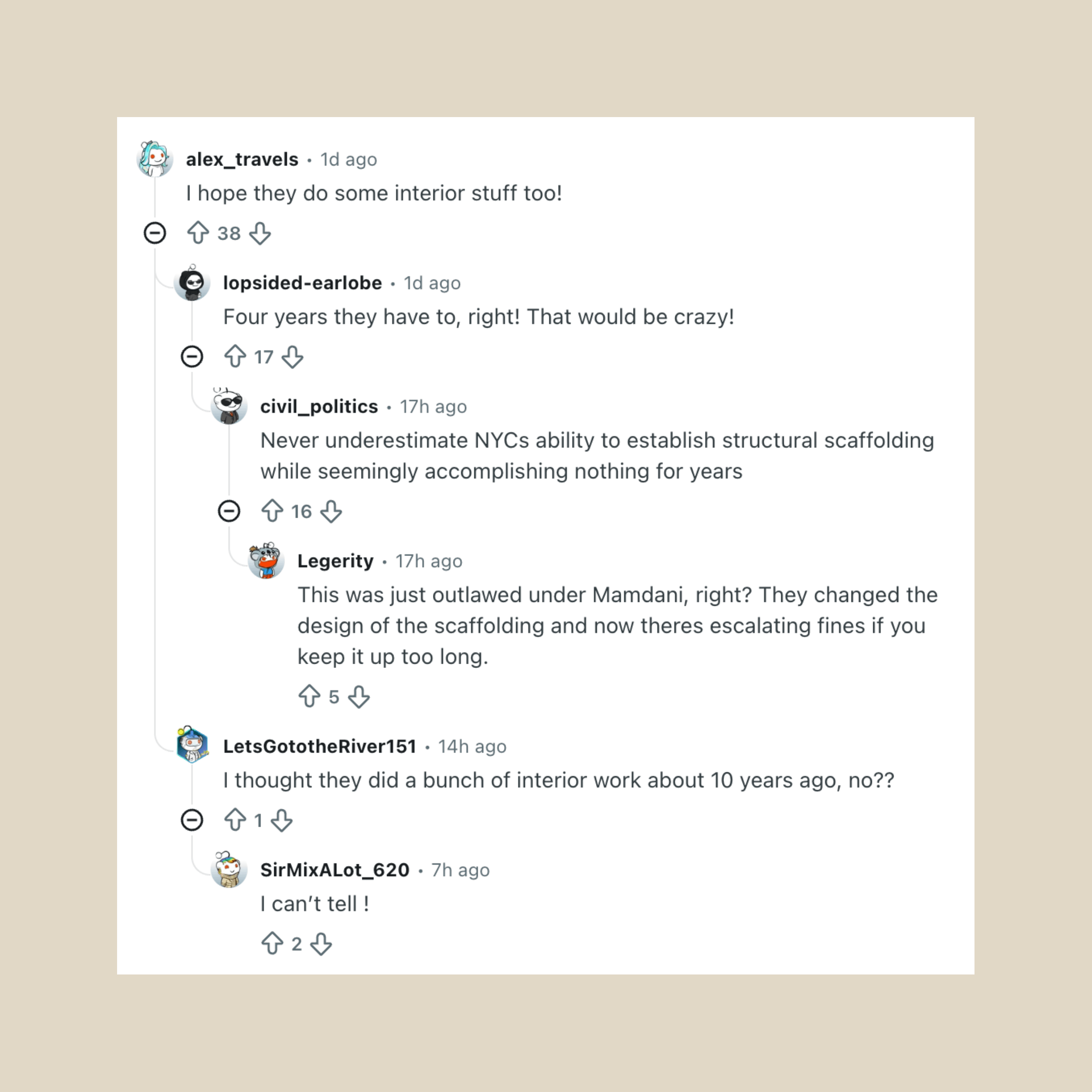
More hotels should make that kind of statement. Explain a closure and your regulars will wait. Stay quiet and they’ll assume the worst, then book somewhere else. The Plaza managed to explain itself in 2005 because it was made to. This time, it could just choose to.
WORTH THE DETOUR
INDUSTRY
La Réserve opens in Florence with just six apartments
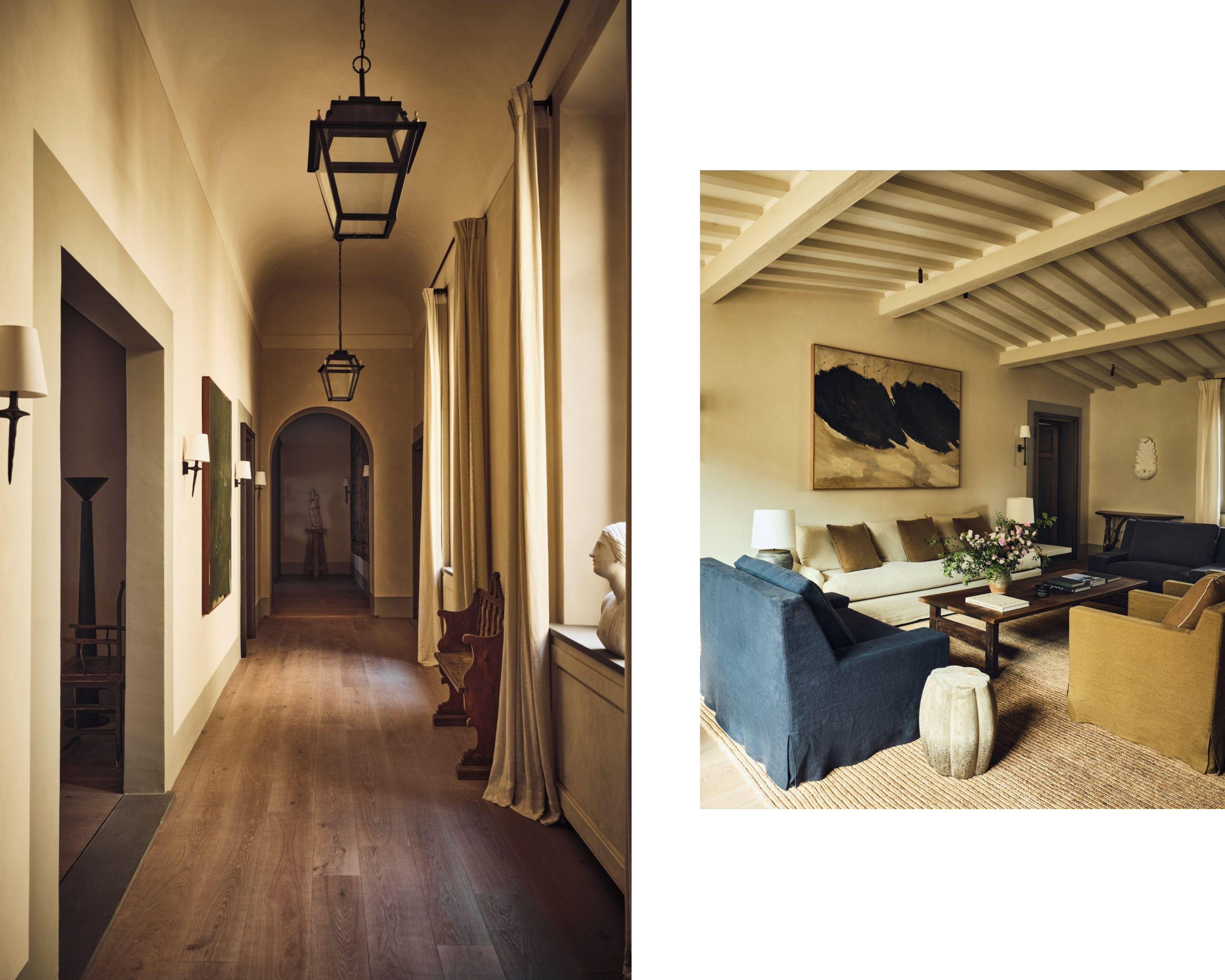
La Réserve Firenze opens today, and it’s a property I’ve been excited about. Palazzo Segni, a 15th-century building on Via Santo Spirito in the Oltrarno, has just six apartments, each with its own kitchen. The smallest is 170 square metres. Gilles & Boissier kept the frescoes, wood ceilings and terracotta floors. The hotel part (full service and a rooftop terrace) sits behind all that.
Six keys in a building this size is a deliberate bet that guests will value space and privacy over a sense of arrival. And in a city where the palazzo itself is a nice attraction, it’s absolutely the right one.
Accor turns character into a brand standard
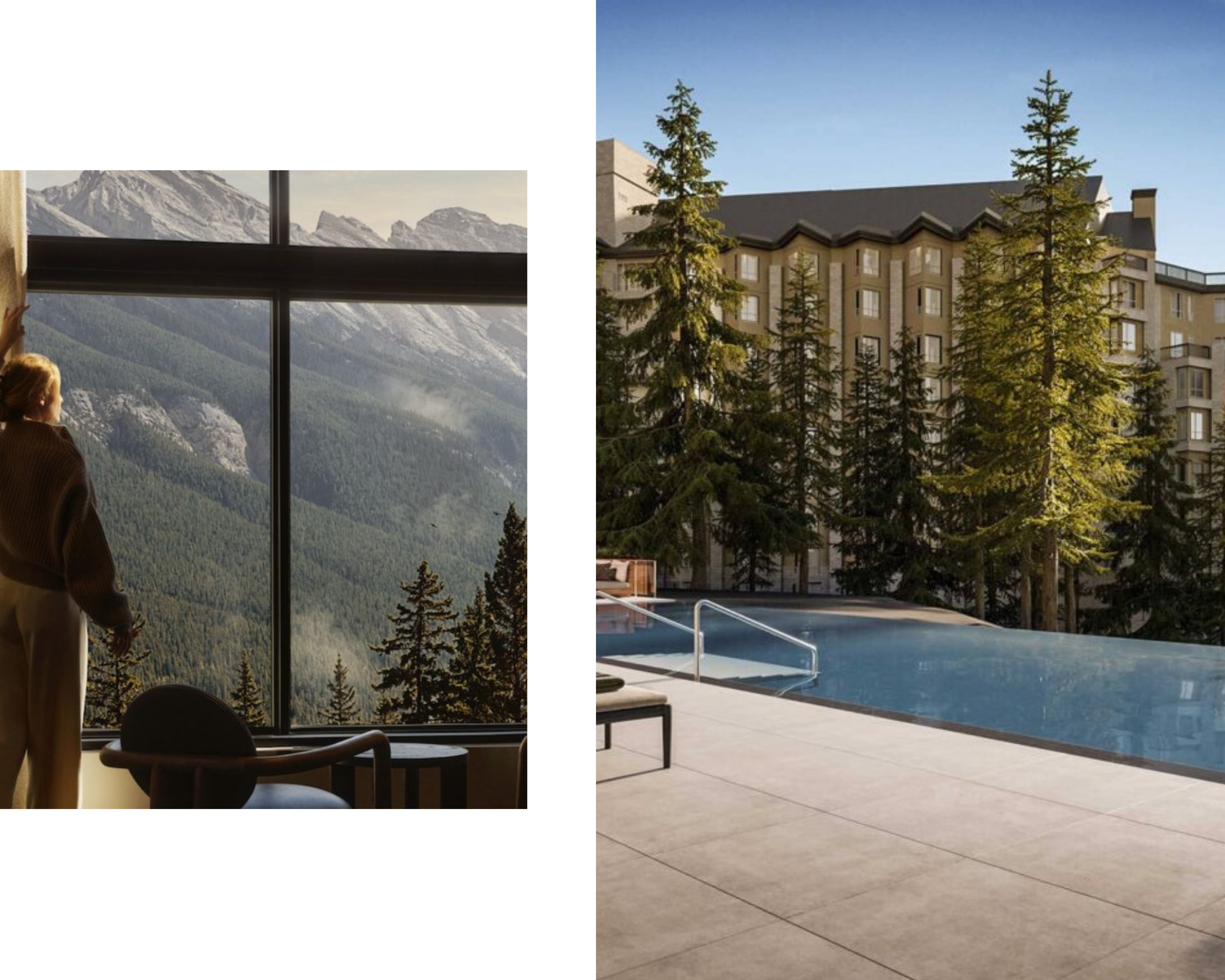
Rimrock Banff has reopened after a C$115 million overhaul as the first North American hotel in Accor’s Emblems Collection. Studio Collective has turned all 320 rooms towards the mountains, with beds facing the windows, and seating and tables placed to keep the Rockies in view.
Emblems has a few signature spaces that its hotels adapt in their own way. One is a hearth, somewhere for guests to gather, and at Rimrock, it’s a hammered-copper fireplace in the lobby. Another is a ‘discovery enclave’, a smaller room built around finding something new. Here, it’s The Listening Room, with vinyl, wine and rare spirits. This shows where soft brands are heading. They’re deciding what makes their hotels unique.
No TV, no problem
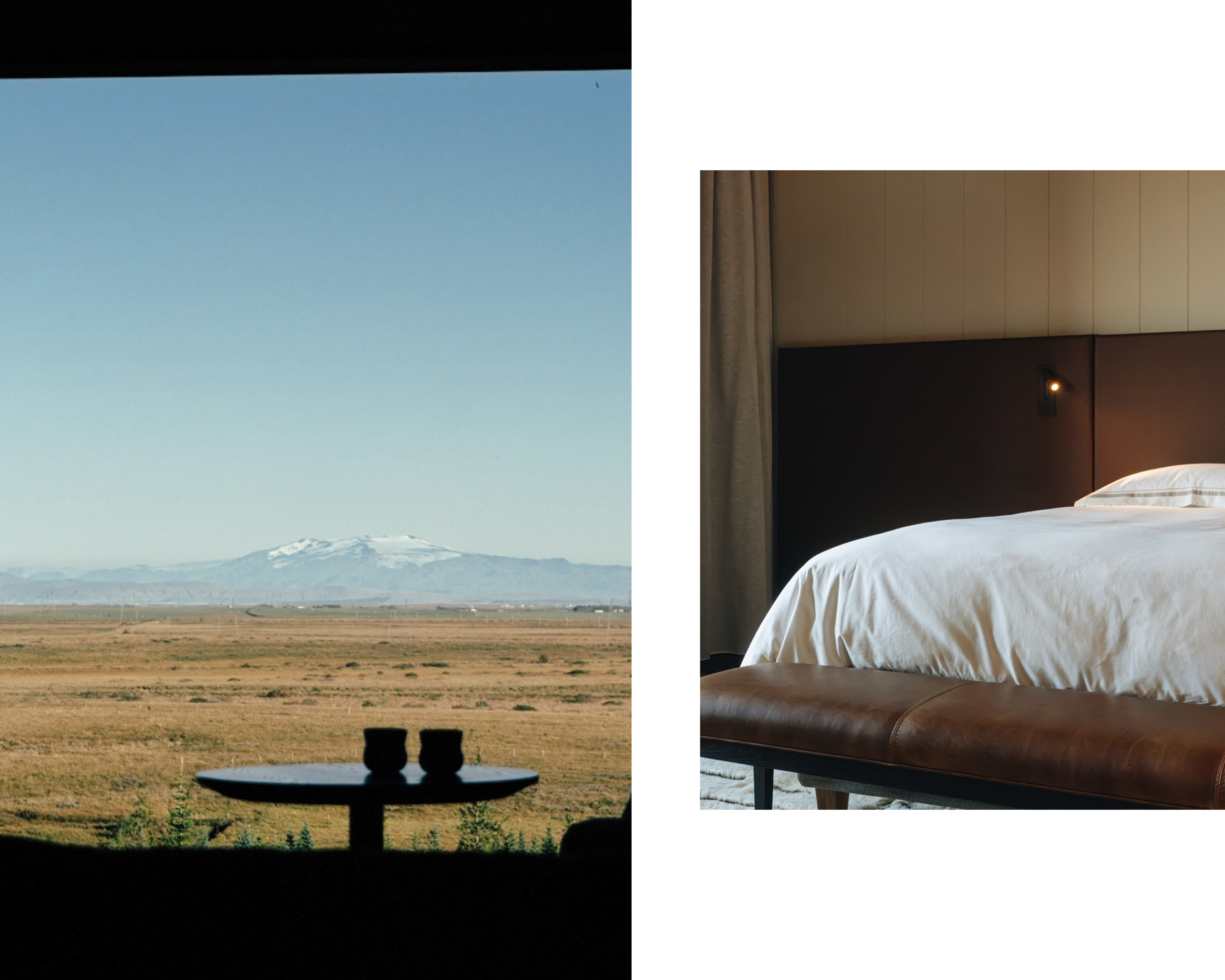
360 Hotel, a member of Preferred Hotels’ L.V.X. Collection, has opened on farmland in South Iceland, an hour away from Reykjavík. It has 31 rooms and is owned by two Icelandic families. The interior designer, Guðbjörg Anna Árnadóttir, is the sister of one of the owners. She’s based the wood panelling on older Icelandic buildings and made no two rooms alike.
Something noteworthy: there are no televisions in the rooms. Want a film? There’s a cinema. Otherwise, you’re meant to read, talk or look out of the window, which is what the window seats are for. It’s a nod to the years when Icelandic television went off air on Thursdays. Take away the screen and the window becomes the room’s focal point. With those views, it hardly needs the competition.
MIND
There’s a word for what I felt about The Plaza as a teenager: anemoia, nostalgia for a time or place you’ve never known. John Koenig coined it for The Dictionary of Obscure Sorrows—his collection of invented words for feelings that didn’t have one. I highly recommend purchasing it.
Of course, this sent me down a rabbit hole. Turns out, nostalgia started as a medical diagnosis. In 1688, a Swiss medical student called Johannes Hofer used it to describe people who were so homesick that they fell ill, many of them soldiers serving abroad. He blamed an ‘afflicted imagination’, and he had one cure: send them home.
Anemoia has no home to go back to. The place might be a film set, or a city as it was decades before we were born. It doesn’t even need to be real. I’m sure for some homesick soldiers, the real place probably turned out to be more disappointing than the longing. Imaginary places can’t let you down like that.
What’s changed is that today, we don’t even have to wait to see the real thing to feel the ache of its absence; our phones feed us a constant, synthetic supply of places that don’t exist. Perhaps that’s the trick of anemoia. Even if I walked into The Plaza today, I wouldn’t be looking for the hotel as it stands in the bricks and mortar of the present. I’d still be looking for the ghost of the hotel I dreamt up.
UNTIL NEXT TIME
Thank you for reading and supporting The Other HAFH. Have a great weekend, and I’ll catch you next week.
The Claridge's comparison is the heart of it: four years is plenty of time for regulars, planners and brides to fall for another ballroom. As a New Yorker, I'd love to know whether the Palm Court and its tea get any kind of temporary home, because that's the habit that will be hardest to rebuild. Here's hoping it comes back with the laylight and the rituals intact.
I saw the closure announcement yesterday and gasped! I have friends in NYC and know how hard it is to get a wedding booked at the Plaza. The fallout is going to huge from the big budget brides alone.