

When I think of Hyatt, I think of the reassuring comfort that comes with a large hotel group. Reliable infrastructure. Familiarity. Confidence in knowing exactly what I’m booking. Creative flair, though, isn’t the first quality that springs to mind.
But that’s an unfair snap judgement. Hyatt already includes hotels I’d happily describe as creative, and news of its first chief creative officer is good news indeed.
It comes at a strange moment. I keep hearing that creativity is in crisis, while corporations seem terribly keen to tell us how much they value it. I find that funny. So much of corporate life is organised around making things predictable and repeatable, but everyone wants the prestige that comes from doing something differently. I have little patience for the lectures about creativity—it’s one of the reasons I came off LinkedIn—but I’m pleased when that enthusiasm translates into giving people more room to use it.
I feel some of that uncertainty myself. With AI and other tools promising to do more of our thinking, I’m paying closer attention to what I actually want to create and where my own judgement matters. Perhaps the fear of losing something makes you more deliberate about using it.
One appointment at Hyatt won’t settle any of these existential thoughts, but I’m inclined to welcome it. If I’m going to question how seriously corporate businesses take creativity, I should also pay attention when one gives it a wider role. That’s essentially what I’m getting into today.
POINT OF DEPARTURE
On 30 September, Hyatt appointed Amar Lalvani as its first chief creative officer. He remains head of the Lifestyle Group, but his new remit stretches across the company, shaping how each brand expresses itself through design, experience and culture.
The more I think about it, the more sense this makes, especially when you consider the gulf between the Hyatt name and the sheer variety of hotels it encompasses.
A guest whose reference point is a Hyatt Regency may have a very different association from someone who knows the company through Alila. Equally, if you’re booking The Standard, chances are you care far more about the hotel’s own identity than any link to Hyatt.
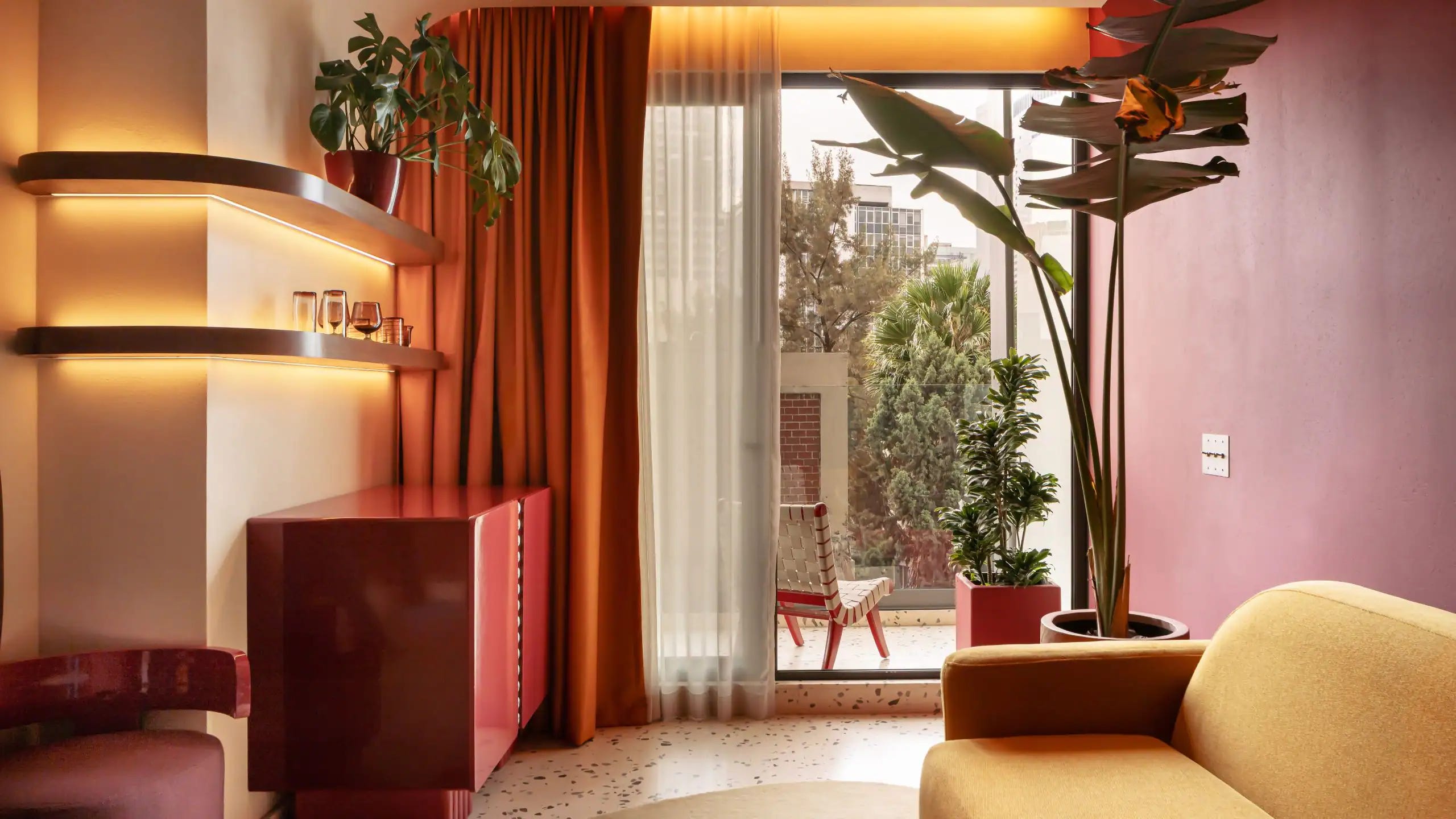
All that’s to say: there are plenty of ways in. Some of us start with the group and pick a property; others fall for a hotel and only later discover it’s part of the Hyatt portfolio.
I suppose this muddies the usual debate about escaping the big chains. I often wonder whether people truly object to corporate ownership, or if it’s more about the experience they anticipate: the same interiors, the same restaurants, the same public spaces.
It’s perfectly possible to want a hotel with character and still appreciate a seamless booking system or a decent loyalty scheme. There’s no contradiction in that, at least not as I see it. The real trouble starts when the commercial machinery begins to seep into too much of the hotel’s spirit.
For Hyatt, it’s smart to reach guests through hotels they actually want to stay in, even if they wouldn’t instinctively turn to the parent company. Not everyone needs to grasp the full portfolio, but the individual choices within it still need to be worth making.
That only gets trickier as the collection grows.
Hyatt completed its acquisition of Standard International in October 2024, bringing in the company behind The Standard and Bunkhouse. In January 2025, it reorganised itself into five portfolios: Luxury, Lifestyle, Inclusive, Classics and Essentials. The stated aims included serving guest and owner needs while supporting growth.
Acquiring a brand brings an existing identity into the group, but keeping that identity alive through new openings and new markets calls for ongoing judgement. Each brand needs to make sense on its own and alongside the rest.
Hyatt has linked Lalvani’s appointment to giving guests stronger reasons to choose its brands and owners stronger reasons to invest. To me, that’s an acknowledgement of the ongoing work involved in making a growing collection commercially valuable. After all, the name alone can’t carry the promise forever.
We may never know the internal reasoning behind the timing, but it all adds up. Hyatt could’ve kept Lalvani’s expertise focused on the Lifestyle Group, but by giving him responsibilities across the company, it allows what’s been acquired to shape how the parent operates.
This is a great opportunity to challenge the generic design we associate with large chains. Giving creative leadership a broader remit could help challenge the safe, familiar choices that make corporate hotels seem interchangeable. I, for one, have never believed a group should reserve impressive design solely for its lifestyle brands.
Of course, chief creative officers are nothing new in hospitality. But it’s exciting to see this particular company taking this step. Besides, it’s about time we rethink what we mean by a ‘chain hotel’. If individuality is now part of the package, the size of the group tells us less and less about the experience on offer. Corporate ownership continues to matter, obviously, but the old divide between quirky independents and cookie-cutter chains is increasingly flimsy. I’ve repeatedly questioned what becomes of an independent hotel once a big group sweeps it up. But lately, I’ve been more curious about how that independent spirit might end up influencing the group itself.
So yes, credit where it’s due. I’m not expecting a new job title to change everything overnight. But I do wonder if Hyatt might tempt those who never saw themselves as ‘Hyatt people’.
WORTH THE DETOUR
INDUSTRY
Woods Bagot to redesign InterContinental Brisbane
InterContinental Brisbane has revealed details of its transformation, with Woods Bagot leading the design. The hotel will remain open throughout the staged renovation.
Australia’s only Harry Seidler-designed hotel will see its signature atrium reworked to make more of the natural light, with all 324 rooms overlooking the space.
Hotels always need a refresh, and the proposed warm neutrals, marble, dark wood and mid-century-style furniture all sound suitably respectful. However, they could just as easily describe any upmarket hotel these days. Keeping Seidler’s spirit alive will take more than a nod to his era’s style.
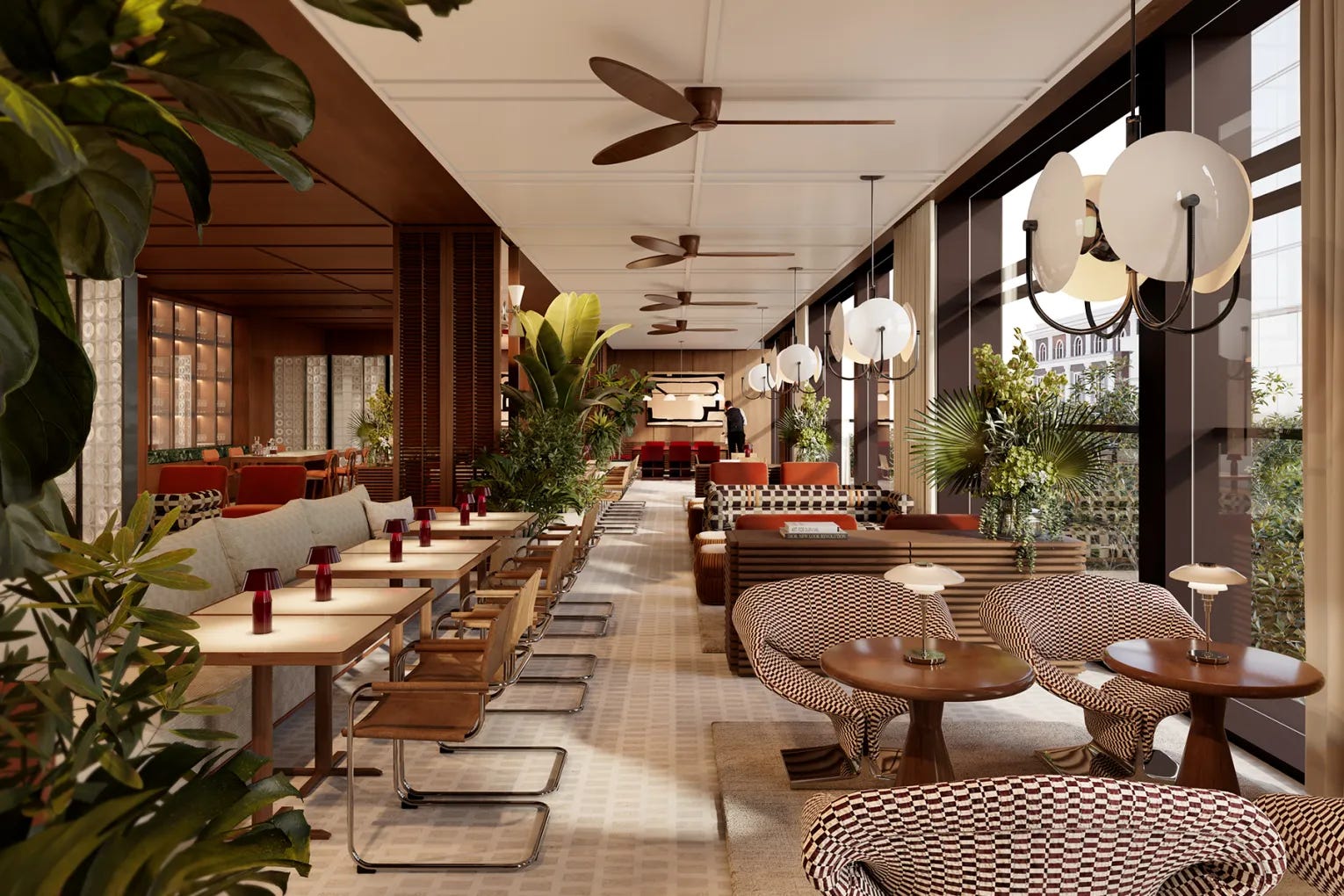
Fraser Suites Reserve to debut in Bangkok
Frasers Hospitality has unveiled Fraser Suites Reserve, its new luxury serviced-living brand with longer-stay travellers in mind. The first property will occupy the top ten floors of a 45-storey office and retail tower at One Bangkok, with 255 rooms and a phased opening beginning in December 2026.
Many rooms will have kitchenettes, while the plans include a private lounge and a House of Rejuvenation offering thermal pools, cold plunges, compression therapy, dry flotation and red-light therapy—all familiar entries in the wellness playbook. The complete facilities and experiences are scheduled to be available for the grand opening in March 2027.
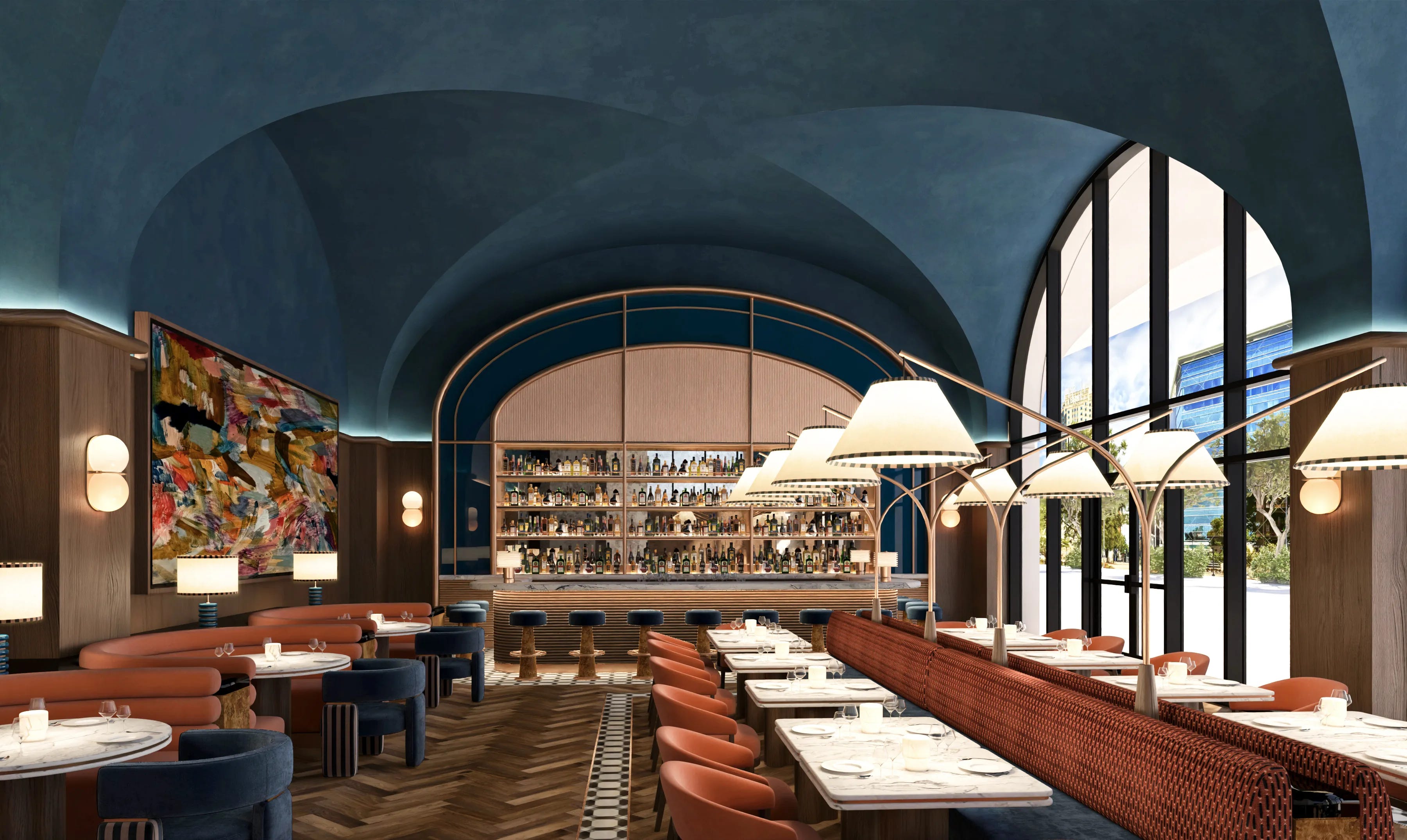
W Charlotte planned for office-tower conversion
W Hotels is heading to Uptown Charlotte as part of Spandrel Development Partners’ redevelopment of 400 South Tryon. The former 1970s office tower will combine a 200-room hotel with 399 residences.
Expected to open in 2029, W Charlotte will occupy floors one through nine, with an additional rooftop venue on the 34th floor. Rockwell Group is leading the hotel’s design, with LS3P as architect of record and CetraRuddy as conceptual design architect. The concept draws on Charlotte’s musical heritage and Southern character, with references to Romare Bearden’s layered collages.
MIND
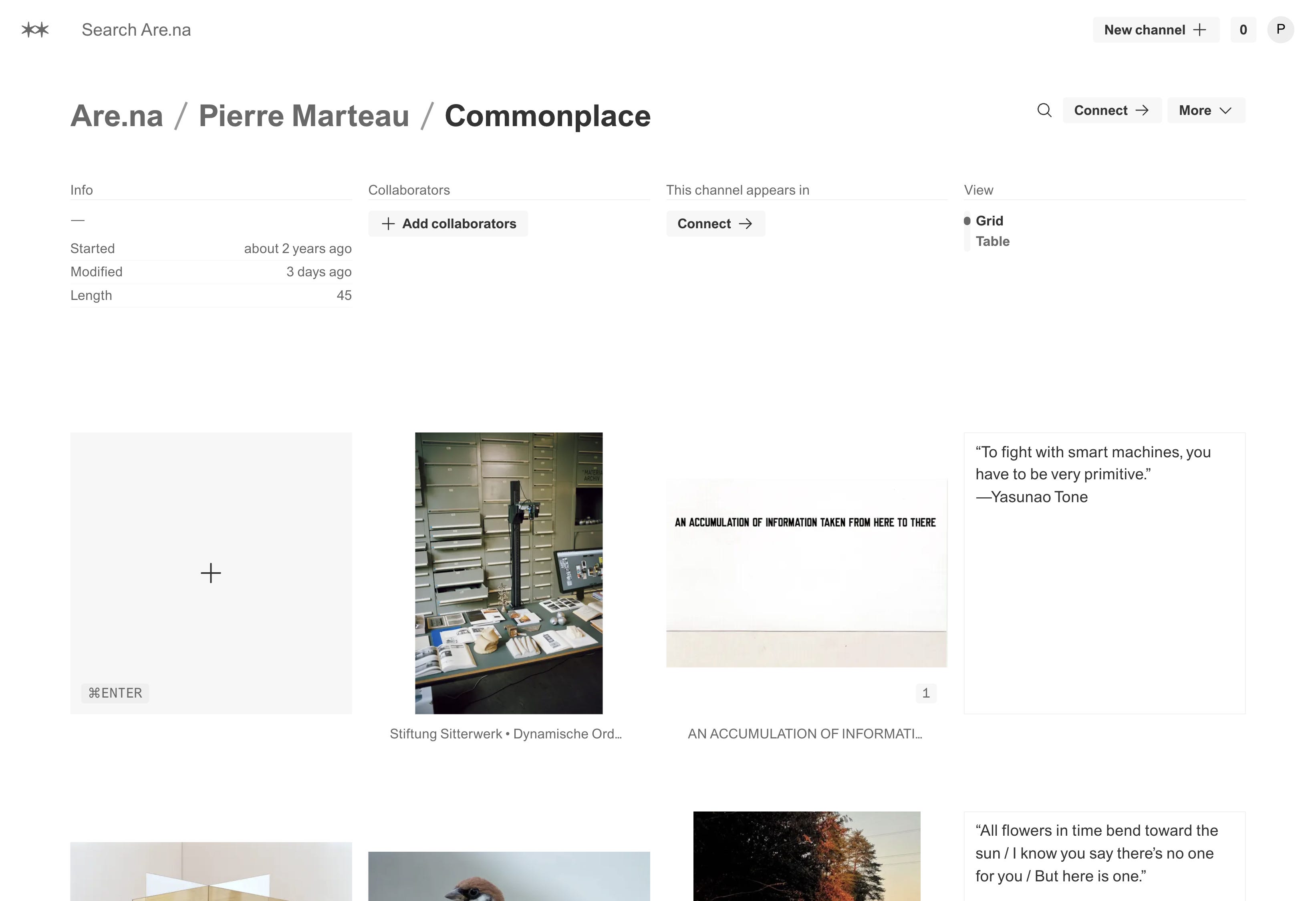
I’ve really been leaning into this newfound desire to try new things and challenge how I process what I find interesting, which is what drew me to Are.na. And no, this isn’t an ad.
I initially assumed it was just another Pinterest, which I still keep as my visual subconscious for gathering beautiful things. But this seems completely different. It’s not so curated or polished, and from my understanding, it appears to encourage messy, unpredictable rabbit holes.
I do love the idea of exploring without algorithms and leaving room for ambiguity. If Pinterest has helped me see what I like, I’m hoping Are.na can slow me down and help me discover what I actually think, as I map out my recurring obsessions and ideas for essays before I’ve even identified them.
It does seem to attract academics and writers. So I’d be curious to know your thoughts if you’ve used it.
UNTIL NEXT TIME
Thank you for reading and supporting The Other HAFH. Have a great weekend, and I’ll catch you next week.
Go Hyatt! So excited to see how this plays out. Also must try are.na!!
It’s an interesting move. And I do agree that being a chain hotel doesn’t immediately mean a lack of creativity. The problem is that, by nature, these groups optimise for growth, which means internal teams become stretched and tend to resort to the same “creative” tricks. The other factor is ownership, and how willing owners are to take risks and invest in originality. A lot of it is ultimately out of the their hands…