

The World Cup is probably the only time I ever get into football. And my goodness, am I glad England are through. More than that, though, it’s been a real treat watching Europeans discover that North America isn’t quite the cultural wasteland they’d imagined.
Anyway. I’ll preface this newsletter by saying I didn’t really set out to do a case study. But perhaps this could be a new series where I look at a specific hotel or hospitality group, studying their strengths and weaknesses from a design perspective. Would that be of interest? Let me know.
Today: Orso.

Modern hospitality is in crisis. The mid-scale boutique sector has devolved into predictable, mass-produced tropes, and travellers now encounter the same generic design choices on the reg.
Given the visual exhaustion, I’d like to turn your attention to the Parisian hospitality group Orso Hotels, founded in 2020 by Anouk and Louis Solanet.
Operating a limited portfolio of properties across Paris, including Hotel Rochechouart, Hotel Wallace, Hotel Orphée and Hotel Cabane, Orso rejects scale-driven efficiencies and treats each asset as a separate cultural object. Their philosophy, which they phrase as the revival of ‘the lost art of hospitality’, underscores that a hotel should always be a gateway to its neighbourhood.
LESSON ONE - EXTRACT OR INVENT
The biggest mistake in contemporary design, at least, in my opinion, is applying a top-down aesthetic to a pre-existing structure. The concept is conceived in an abstract corporate office and forced into a building’s footprint, which results in something that feels instantly off to any discerning guest.
Orso takes on a different approach. Instead of imposing a random identity, the group digs into the latent historical and cultural DNA already present in the building’s masonry and the surrounding arrondissement. You’d think there wouldn’t be too much differentiation between several hotels within the same city, but the design concepts do vary quite a bit.
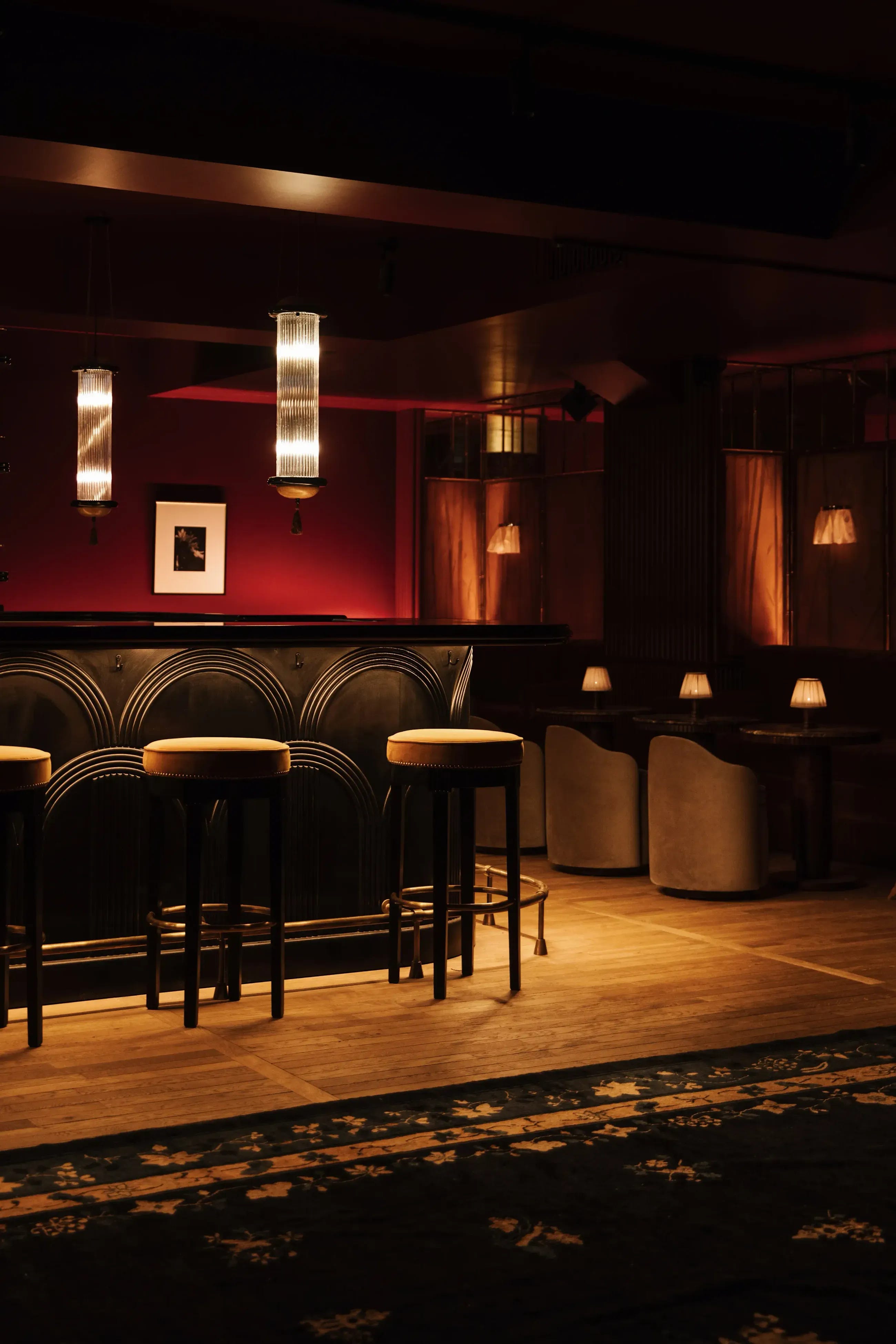
In the 9th Arrondissement, a neighbourhood defined by its historic jazz-age nightlife and cabaret culture, Orso developed Hôtel Rochechouart. The property occupies an Art Deco building dating to the 1920s, and instead of modernising the interior, the architect-decorator duo Festen chose preservation.
They kept the original glass elevator, the staircase, the restaurant’s tiling and mouldings, and the atmosphere is deliberately kept nocturnal, anchored by a dancing bar, the Mikado, styled after the clandestine opium dens of the 1920s and lit low enough to resemble the after-dark hours of Pigalle.
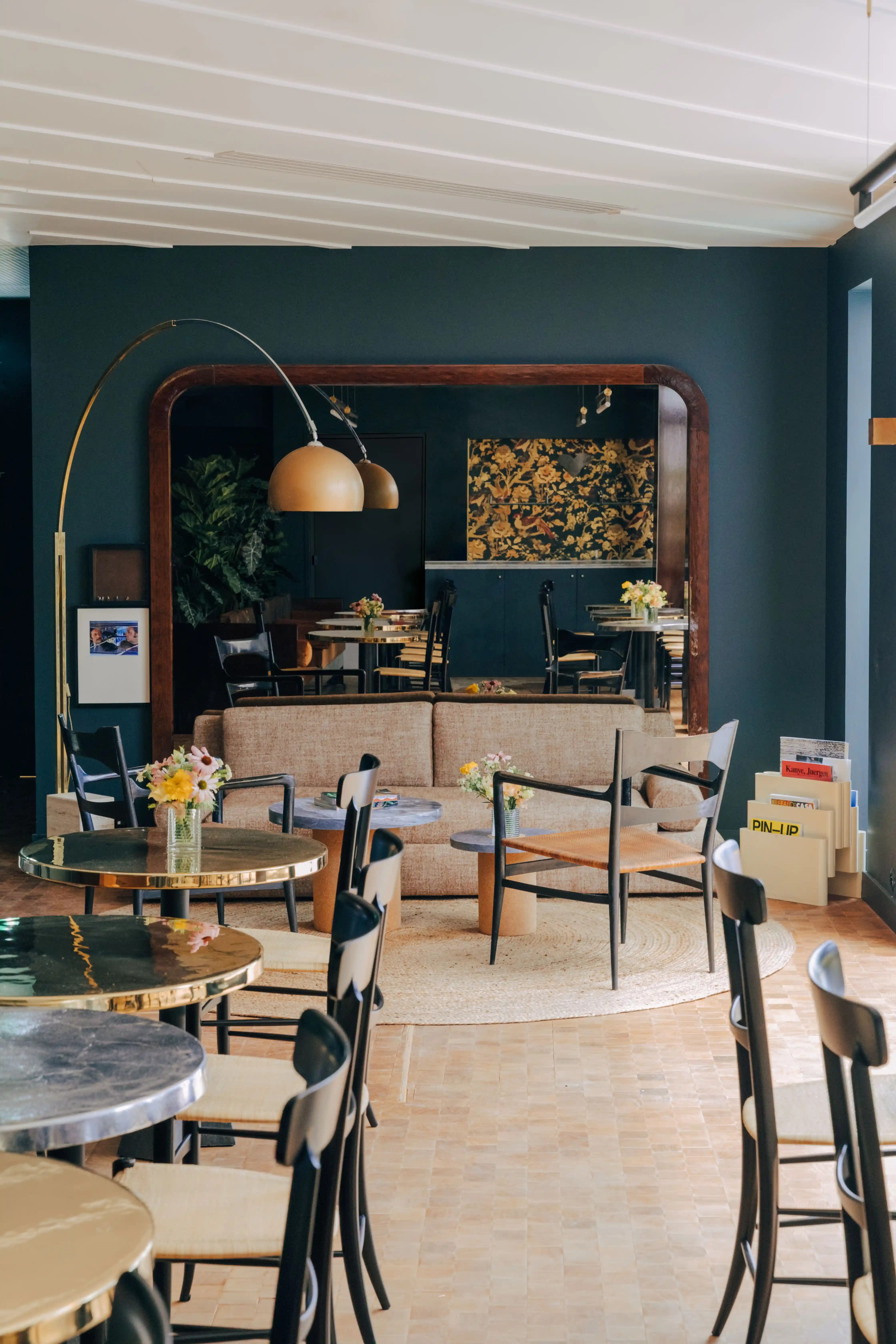
However, when Orso developed Hotel Wallace in the residential 15th Arrondissement, historical preservation didn’t matter—there was nothing to excavate. By the designers’ own admission, the Wallace had no history of its own, which left them total freedom.
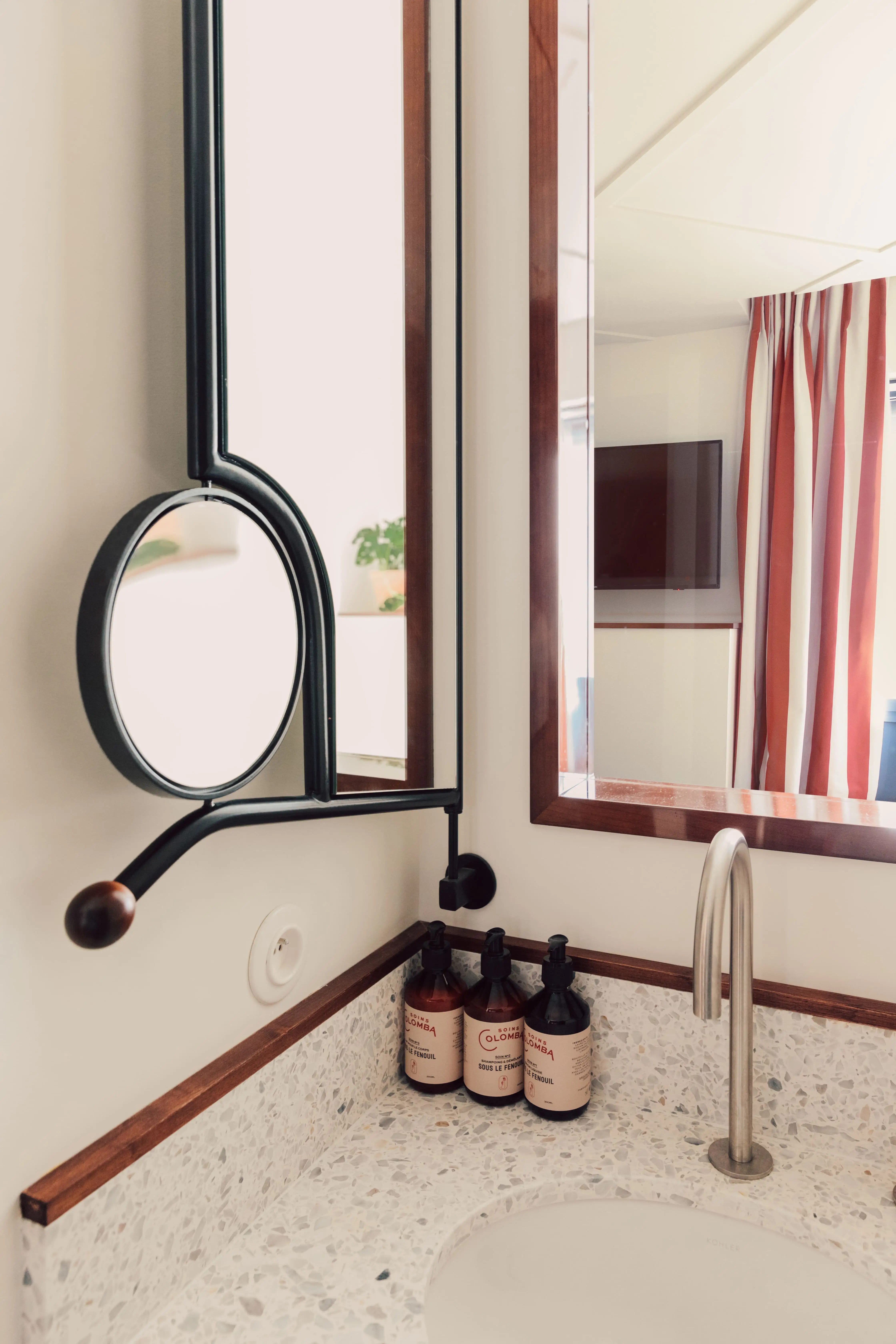
The studio Hauvette & Madani—executing their first hotel commission—imported the Italian design movement of the 1970s, a nod to Gio Ponti, the languid glamour of the Riviera, all rendered through a Parisian lens. The palette trades Pigalle’s dark woods for custom-lacquered headboards, terrazzo bathrooms, striped Riviera curtains and fringed sconces. None of it is native to the 15th, and all of it is carried out with such conviction that the invented world seems far more coherent than expected.
This just goes to show that your physical structure and its immediate environment are not passive containers; they’re the most valuable resources.
Independent hotels lack the multi-million-dollar marketing budgets of global brands, so they have to formulate a lifestyle identity from scratch. Therefore, to create a strong sense of place, the identity must either be extracted from the soil on which the hotel sits or, where there’s no soil worth digging, invented so completely that the guest never thinks to question it.
But I’ll admit, what bugs me a little about the Wallace is that it’s the same top-down move I’ve just called a sin—an aesthetic conceived elsewhere and dropped onto a building. The only things separating it from a more corporate vision are impeccable taste and a large enough budget. So perhaps a good invention is just taste with money behind it, and I can admire it without knowing how to replicate it. So yes, I prefer extraction over invention, and now you can see that preference is not only a preference.
LESSON TWO - CURATION AND THE CULT OF A NON-HOTEL DESIGNER
To meet strict building codes, durability requirements, and the like, many hotels rely on a small network of hospitality design firms and commercial furniture manufacturers. Orso, by contrast, systematically dismantles this supply chain by hiring non-hospitality designers and sourcing through secondary antique markets.
The group consistently partners with interior architects and designers who have never designed a hotel before, as well as residential designers, antique dealers, fashion curators, and even set designers. For example, they tapped design studios like Festen Architecture and Hauvette & Madani during their formative stages—both of which had built their reputations on private apartments, not hotels—and commissioned Mariette Sans Rival, a Beaux-Arts-trained painter who moved into costume design for cinema and opera, to execute the vision for Hotel Blanca, where she hand-painted the canvases mounted above the beds.
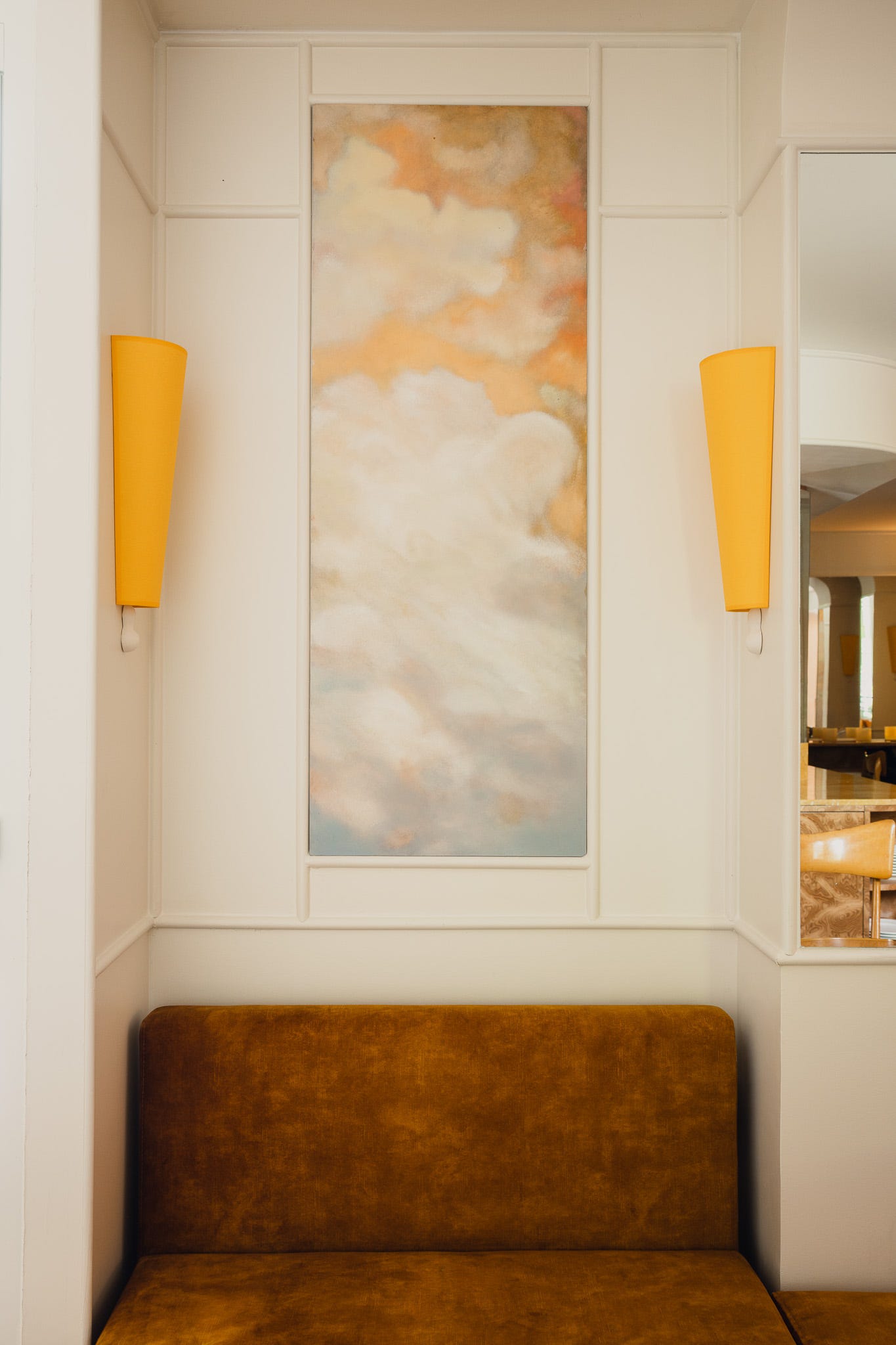
The rationale is that a hospitality designer knows all the rules a little too well. They know exactly how wide a hallway must be, how to specify a commercial nylon carpet that hides stains and where to place a standardised baggage rack. But this technical skill can be a creative straitjacket.
A residential or theatre designer is relieved of these institutional habits when approaching a hotel room as an intimate bedroom or a stage. They specify residential-grade linens, choose textured natural wools over fire-treated synthetics and design bespoke, built-in joinery that prioritises visual balance over industry utility.
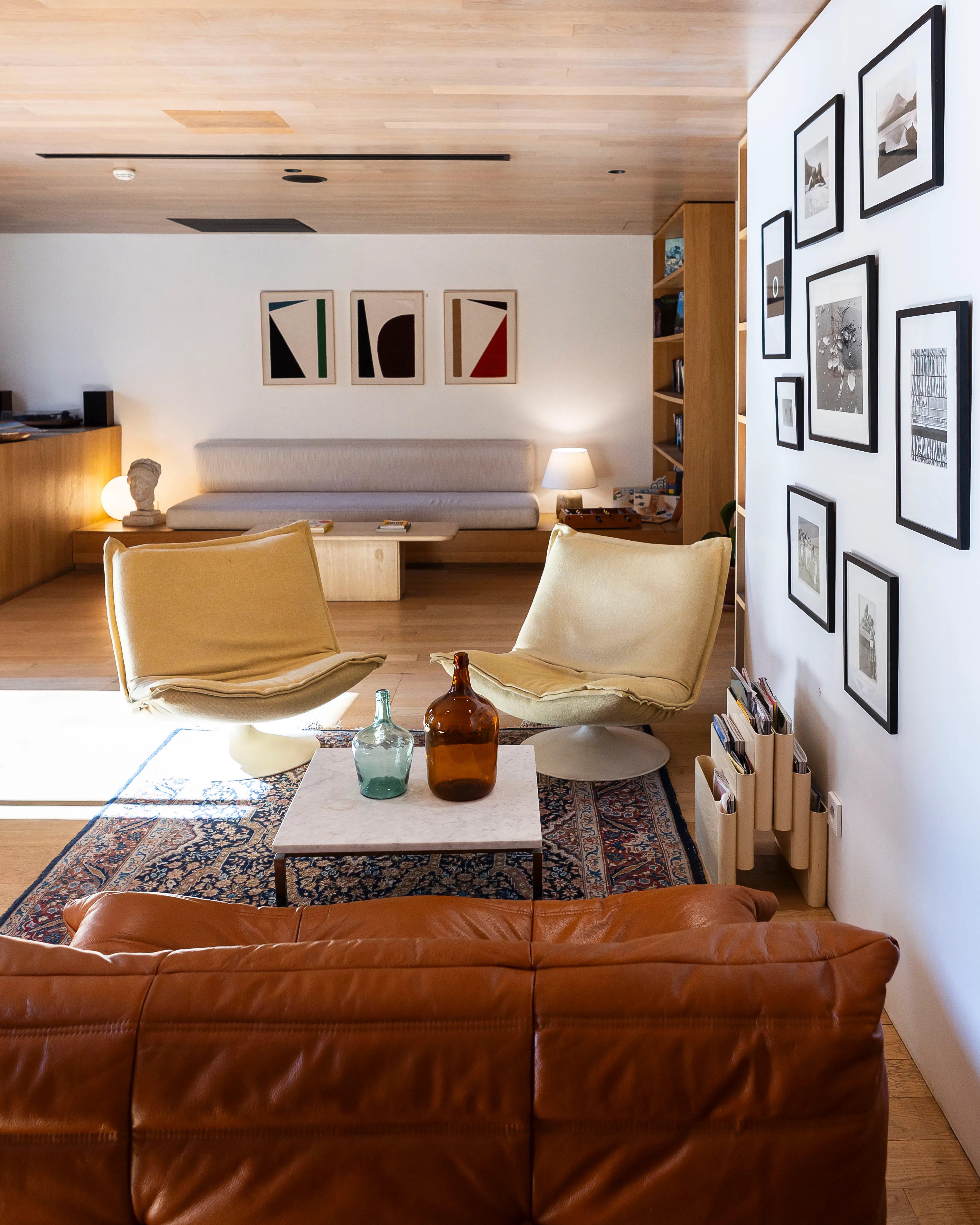
To further break away from the commercial catalogue look, Orso tends to integrate vintage and antique pieces into their interiors. For the development of Hotel Cabane, the group brought in Charlotte Cadé, founder of the French vintage marketplace Selency, to source the furniture, with the gallery Wilo & Grove curating the art, Galerie Incognito the photography, and Anouk Solanet steering the renovation herself. The rooms are staged with a collector’s eye, mixing design icons and vintage seating, from a Togo sofa in the lobby to mid-century wooden chairs and modernist references, creating a layered, slightly 1970s-leaning sensibility that runs from entrance to bar and salon.
By stepping away from traditional commercial procurement pipelines and working with local craftspeople and independent designers, a boutique hotel can achieve an aesthetic environment that feels curated over decades, which is the feeling most are going for.
What I’d add, though, is that patina is only underrated by those who can afford to replace it if necessary. Yes, a visible sign of age and use on a material’s surface is something that commercial manufacturing can’t replicate. It tells the guest that the object in front of them has a history and was chosen with human intent. But Orso can afford to defund the contract manufacturer because Orso can also afford the consequences when a beautiful thing wears to the point of no return.
LESSON THREE - EMBRACE SPATIAL INTIMACY
The reality of urban hospitality, especially in historic European capitals like Paris, is the lack of space. Independent hoteliers are frequently forced to work with compromised structures, with narrow building envelopes, winding stairwells, low ceilings and guest rooms that hover between 12 and 15 square metres.
The general reaction to these limitations is to squeeze in standard amenities, but this makes the rooms cluttered and unworkable. Orso’s portfolio turns spatial deficit into an intimate asset via careful zoning.
The traditional hotel lobby is a transactional environment dominated by a monolithic check-in desk that serves as a psychological and physical barrier between staff and guests. In a small boutique hotel, this desk can swallow a punishing share of a limited ground floor, leaving little to no room for social activation. So Orso does away with the barrier completely.
At properties like Hotel Wallace and Hotel Orphée, the arrival experience is completely fluid. There are no concierges, only ‘hosts’, i.e. staff who move freely through the space rather than preside over a desk. Check-in usually takes place at a low communal table or bar counter, accompanied by a slice of homemade cake to keep things casual.
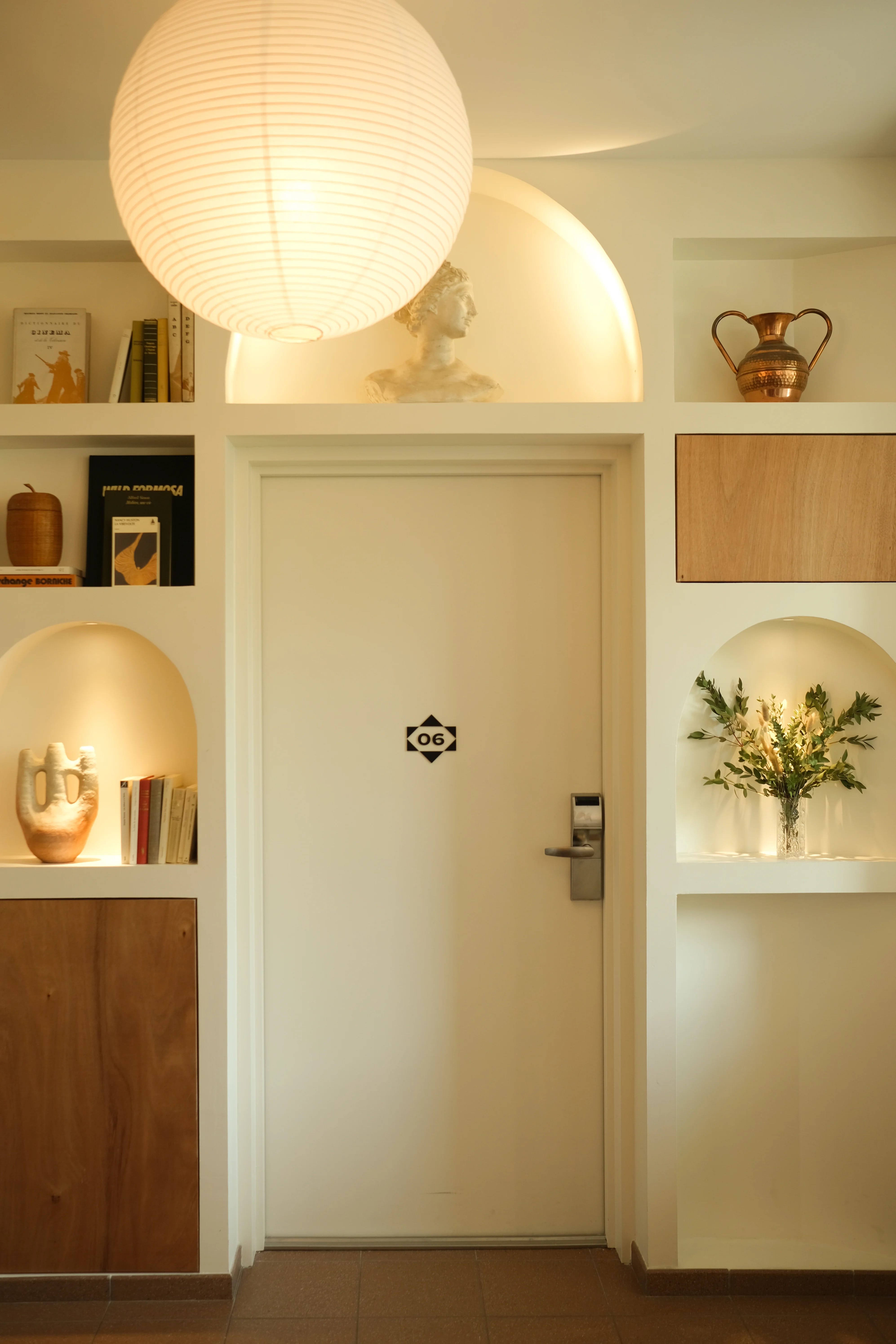
When horizontal square footage is unavailable, Orso looks vertically to inject some grandness into tight spaces. A definitive example of this can be found at Hotel Wallace. Faced with a highly restrictive footprint and a deep, dark plan, the architect Silvio d’Ascia preserved the facade and rebuilt behind it, sinking a glazed courtyard into the building’s core to flood the lower level with natural light.
That opening allowed the hotel to position its bar on the lower courtyard level, which became the dramatic, light-filled focal point of the whole building. Guests on the upper floors look out of open-air interior corridors down into this energetic social hub, and what should have been a liability became the hotel’s defining feature.
Inside the guest rooms, where every inch counts, Orso favours built-in joinery over freestanding bulk. Lighting is made to measure, headboards are built in and alcoves are generally worked into the plan.
The clear takeaway for independent hoteliers is that luxury isn’t correlated with square footage; it’s a function of thoughtful, intelligent planning. A small, tailored room with every light switch perfectly positioned and materials that are premium to the touch will always outperform a large, poorly planned room.
Regarding that last point, I have to give a special mention to our room at the Mondrian in Mexico City. It was spacious, but most of that space was wasted. The bathroom was open to the rest of the room, with no door or partition, which really tests your comfort level when you’re travelling with someone else. There are some things about another person you might prefer not to know. Past the bed, there was just nothingness. A sofa, a small table and two chairs sat alone in all that room, which could have been used for a proper bathroom or a denser living area.
LESSON FOUR - NEVER UNDERESTIMATE THE EMOTIONAL ECONOMY
One of Orso’s best design choices is its custom-developed fragrance and amenity line, Colomba. Instead of purchasing commercial bulk toiletries from an established luxury perfume house, Anouk and Louis Solanet worked directly with perfumers to create a signature olfactory profile uniquely tied to the brand’s identity, drawn from Louis’s Corsican roots.
Olfactory memory is the strongest form of sensory recall in the human brain. By scenting every room and hallway with this specific fragrance, Orso creates an unconscious emotional anchor, and when a guest steps into any of their properties, that scent signals their nervous system that they’ve arrived in a familiar place. I love this, even if a signature scent has become one of the most copy-pasted gestures in the sector.
Soundscaping is treated the same way. There’s no royalty-free lounge music on a continuous loop, as Orso curates specific playlists that morph throughout the day. Morning tracks favour soft French acoustic folk and retro vinyl crackle, transitioning into jazz in the afternoon and into atmospheric tracks as night falls, suiting the natural biorhythms of the house.
Another thing: I think it’s brilliant when hotels mandate the total elimination of single-use plastic in favour of reusable ceramic or glass vessels. Not only is it better for the planet, but it also, to some extent, mimics a family home.
Finally, human gesture is a major part of the design. Upon arrival, instead of being asked immediately for a credit card and passport, guests are offered a fresh slice of cake and a beverage.
For the independent hotelier, investing in the sensory layer is the most cost-effective method to secure guest loyalty and brand equity. While structural renovations can cost millions, the curation of a signature scent, the calculated placement of lighting, the selection of tactile hardware and the improvement of arrival rituals demand relatively low capital expenditure while bringing great emotional returns.
Because it’s true, you might forget what someone says or does, but you’ll never forget how they made you feel.
Take the above lessons, but you’ve probably already felt the catch in each one. The design works because Orso has the taste to choose well and the money to absorb the mistakes. Copy the moves without either, and you don’t get Orso; you get a headache.
None of which is to say the instinct behind the brand is wrong. We live in a time when travellers can book a room with a single swipe and check in via an app without speaking to a soul, and against that, a normal, human welcome matters more than ever. So I admire Orso and I’d steal their thinking, but I’d hold their exact checklist at arm’s length, especially when trying to carve out a niche. After all, authentic hospitality is a poetic art form.

INDUSTRY
Montage Hotels & Resorts is branding an entire island for the first time. Montage Cay is a 53-acre private cay in the Bahamas’ Abacos, near Marsh Harbour on Great Abaco. The island has seven white-sand beaches and a 46-slip deep-water marina, so owners and guests can arrive by yacht directly onto the sand. Residences are selling ahead of the resort’s opening.
The Chambers Hotel New York—a 77-room property in Midtown Manhattan, originally opened in 2001 and designed by the Rockwell Group—has reopened as an independent. It had run under the Sonder brand from August 2024 until Sonder’s 2025 collapse. And in May, it was sold by an affiliate of BD Hotels to Toronto-based Hennick Co for a reported $66m.
MIND
What’s in a name...? Recently, a friend has been contemplating a name change. I won’t get into the details, but it has made me think about how much of our identity is tied to our name. It’s a string of syllables assigned to us at birth by people who had no idea who we would become. It’s the first thing we offer a stranger and the exact word that makes us turn when it’s called across a crowded room. Over time, we attach our achievements to it. We sign it on legal documents, see it in inboxes and on certificates, and slowly build an entire sense of self around it. So when someone stands on the verge of changing their name, it’s an incredibly weighty act. It’s not only about altering how the world addresses you; it’s a reconsideration of how you want to be known, and that can be a great thing for your well-being. If I changed my own name tomorrow, I wonder how much of me would remain the same.
THINGS
I feel like everything I learnt about journalism and Ofcom regulations has gone out the window. I loved this video by creator Matt Bernstein:
In it, he talks about the new Meta AI glasses, specifically the Kylie Jenner edition. The idea that someone can casually take photos of strangers from across the street is not only worrying, but it also undermines the importance of consent when photographing members of the public for publication.
I did see this comment:
It sucks bc my mom is blind and her Meta glasses are super helpful for helping her read/identify things when I’m not around to do it for her. These glasses could be great if they leaned into them being an accessible tool for disabled folks and not shoving this invasive bullshit along with the genAI slop into them. But we live in a capitalist nightmare. I’m so tired.
That’s a convincing argument in their favour. There are clearly legitimate and meaningful uses for this technology. But my concern isn’t the technology itself so much as the fact that society has a habit of abusing good things.
American luxury furniture behemoth RH has officially landed in London. Its new home is a five-storey, Grade II*-listed, early-18th-century Palladian mansion at 7 Burlington Gardens in Mayfair. The building most recently housed Abercrombie & Fitch; before that, it spent the better part of a century as a bank (latterly the Royal Bank of Scotland, and originally the Bank of England’s West End branch). I do have questions, though. How do these American sofas fit into a typical London property? RH built its brand around a distinctly American vision of domestic life. Its signature deep-seated sofas are designed for sprawling California mid-century homes and Hamptons estates. The average London terrace or flat, however, is not sprawling. Of course, at RH’s target price point, structural alterations and extensions are hardly out of the question. But that isn’t always the reality, even for affluent homeowners. To navigate European constraints, RH relies on modular designs that can be manoeuvred through tighter spaces and assembled on site. But the bigger question is why CEO Gary Friedman continues to double down on expensive European real estate at a time when domestic sales are under pressure.

Thank you for reading and supporting The Other HAFH. I’ll catch you next week. And for the Americans, I hope you enjoy the long weekend. Happy Fourth!
You have made me very interested in Orso as a brand. But in times where mid-range chain hotels have copied the boutique playbook, memorable hotels need a real point of view.
Orso is doing something quietly radical in Paris — intimacy at scale without losing the soul. Would love more of these case studies.