

Hello, hello.
How are we all doing?
I’ve just made it back to the States after a quick trip home to England, cup thoroughly refilled. Re-entry was a bit of a nightmare, though (my friends will tell you Mercury is in retrograde). The green card processing system was down at the airport, which meant that despite being first in the customs queue, I was somehow the last one out.
Anyway. Spring is here, and I’ve been thinking about where I want to go next, which has led me, somewhat inevitably, to golf.
Let’s get into it.

Last week, David, my husband, texted asking if he was good to go on a golf trip with his friends later in the summer. Please, by all means, go. His birthday is coming up in April, which means Masters weekend, which means there are only so many golf-related gifts I can give him before I’ve exhausted the category completely. And even if we’re not physically there, I know I’ll lose him anyway. He’ll be sat right there on the sofa, mentally checked out somewhere around the 12th hole at Augusta, and he won’t be back until the Sunday evening.
I knew what I was getting into when I married an avid golfer. But every year when the azaleas bloom and the television murmurs with hushed reverence reserved for men in green jackets, I’m reminded that golf asks more of the non-golfer than almost any other sport.
Needless to say, I don’t play. I have tried, briefly and without conviction, but I concluded that my time on earth is better spent doing almost anything else. That said, I am interested in the places golf takes us. Or rather, the places golf takes him and the question of what, exactly, I’m supposed to do when we get there.
This is the central tension of the couples golf trip, and the hospitality industry gets it so very wrong.
The economics are worth spelling out, since they’re absurd. The last time I checked, a round at Pebble Beach costs $675. Add the expected caddie ($155 for a single bag), the cart fee and the fact that you’ve got to stay on site (minimum of two nights, starting at $1,027 per night at the Inn at Spanish Bay), a single day of golf costs the household north of $2,500. The non-golfer’s share of that investment buys access to a hotel room they could've booked anywhere else and a spa they didn’t ask for.
Pinehurst is more reasonable on green fees. The famous Course No. 2 tops out around $495 in peak season, and a standalone second round runs $595, but follows the same logic. Stay at the ‘resort’, pay the premium and the non-golfer might get tennis, pickleball and a bicycle rental as consolation.
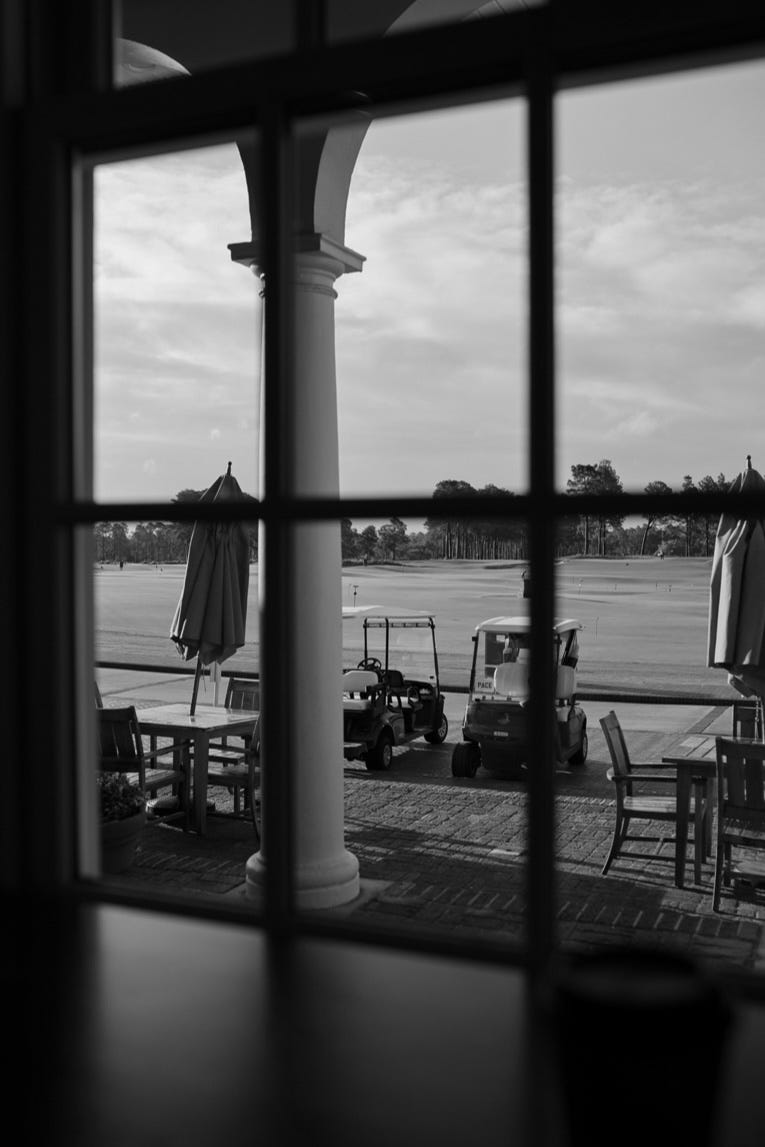
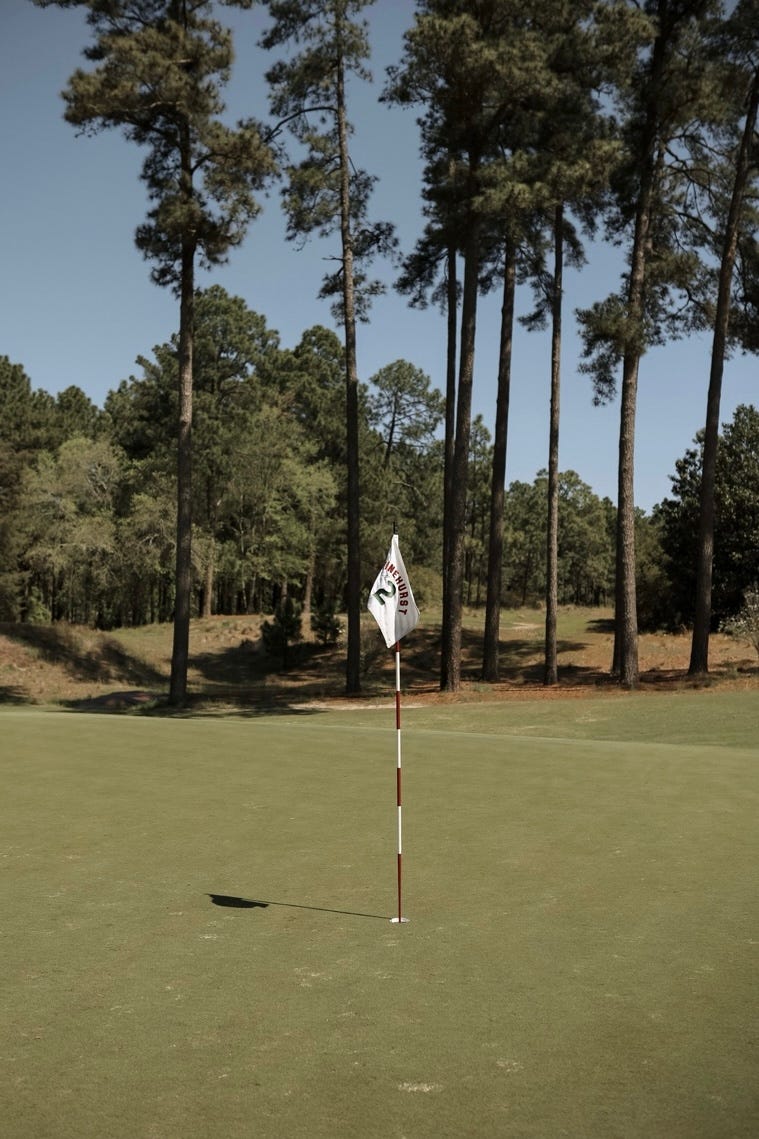
Elsewhere, Bandon Dunes charges $295 per round in peak season, and the non-golfer gets a massage centre, a hot tub and the town of Bandon, Oregon, which, I say this with love, is not a destination.
What I’m getting at is that most golf resorts price the experience around the golfer, as they should, but then they bolt on a ‘non-golfer programme’ as an afterthought, almost like guilt tax.
To understand why this model persists, look at who built it. Mike Keiser, who opened Bandon Dunes in 1999, changing destination golf in America, has plainly said that “after World War II, golf in America was harmed by golf carts and home sales.” His philosophy is golf-first, everything else second, if at all. The routing of the course is finalised before anyone thinks about accommodation, dining or other amenities. So the best chunk of land goes to the fairways, not the on-site rooms or villas.
Of course, this produced fantastic golf. Bandon is routinely ranked among the finest courses in the world, and for good reason. Even as a non-golfer, I can appreciate that. Bill Coore, Ben Crenshaw, Tom Doak, David Mclay Kidd… these are landscape designers working at the level of any great architect. The courses at Sand Valley in Wisconsin, which Keiser and his sons opened in 2017, follow the same model, with millions of pines cleared to reveal glacial sand dunes, which are then shaped by the best designers in the world. Honourable mention to Mammoth Dunes, which has fairways over 100 yards wide. The golf is sensational—or so I’m told.
The Keiser model is at least honest about what it is. Bandon is four and a half hours from Portland. Sand Valley is in Nekoosa, Wisconsin. These are pilgrimage sites built for golfers who want total immersion. These are not places for couples who want a cute holiday. If you don’t play, there’s very little reason to be there, and I think Keiser would agree.
What I can’t get on board with, however, are the resorts that build their entire identity around golf, charging couples rates, only to be surprised when the non-golfer is bored by the following afternoon.
Here’s where I want to bring up Cabot.
Ben Cowan-Dewar was 25 when he walked the land that would become Cabot Links in Cape Breton, Nova Scotia. I’m sure people told him that building a course in such a remote place was a terrible idea. He partnered with Mike Keiser in 2007 and opened Cabot Links in 2012, designed by Rod Whitman, on a former coal mine along the Gulf of Saint Lawrence. Every hole has an ocean view. Five play directly along the beach.
Then came Cabot Cliffs (Coore and Crenshaw again), carved out of coastal cliffs, which entered the World Top 100 almost immediately. But what makes Cabot different from the Keiser model isn’t the golf. It’s everything else around it.
The Lodge was designed by Nova Scotia architect Susan Fitzgerald and interior designer Alexandra Angle. The use of cedar and heavy timber means it looks like it actually belongs to the landscape, not like a corporate clubhouse parachuted onto a coastline. The Golf Villas, designed by Omar Gandhi, have the same considered quality. The dining runs from Panorama, a proper restaurant with panoramic views, to Coore’s, a lobster shack. Cape Breton itself is a cool destination. You’ve got the Cabot Trail, Celtic culture, seafood, coastline. If you don’t play golf, there are real, independent reasons to be here.
Cowan-Dewar has since expanded to Cabot Citrus Farms in Florida (1,200 acres north of Tampa, opened in 2025, with four courses including one lit for night play), Cabot St. Lucia, Cabot Revelstoke in British Columbia and properties in Scotland and Bordeaux. Each is built golf-first but wrapped in a destination that functions without the golf. That matters enormously because it’s the difference between a golf resort that tolerates non-golfers and a place that earns both people’s loyalty.
Whether Cabot has fully solved the couples problem is debatable. The DNA is still very much golf-first, but the instinct to build somewhere a non-golfer would also choose to visit is right.
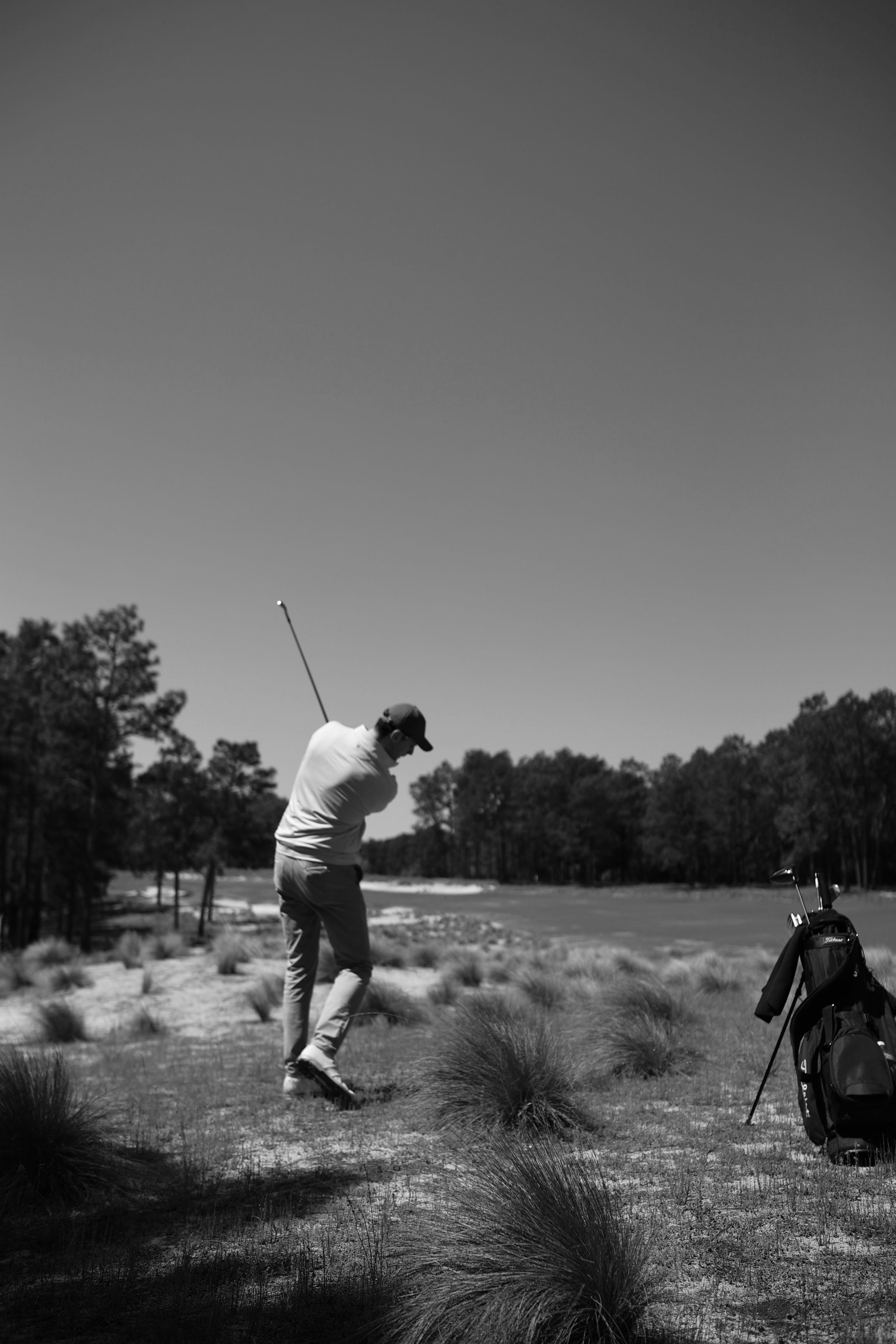
Personally, here’s what I’ve learnt from years of golf trips with a golfer I happen to love: the best ones were never at golf resorts. They were at a great hotel in a place I wanted to be, where the golf happened to be nearby. David played in the morning. I had the town to myself. We met for lunch with something to talk about that wasn’t his handicap. The trip was for both us.
The golf resort model inverts this. It builds the trip around the golfer and then scrambles to entertain everyone else. The result is a $2,500 day where one person is having the time of their life and the other is browsing the gift shop. The economics of this arrangement have survived for too long but as the demographics shift, with more women starting to play and more couples demanding equity in how they travel, the resorts that don’t rethink the model will lose to the destinations that already have it right. That could be Cape Breton, a good town in Scotland, or anywhere really, where the non-golfer’s day is as full as the golfer’s.
I’m just relieved I don’t have to go back to Pinehurst this summer—no matter how good their pimento cheese toasties are. David can enjoy it to the fullest with his golfing friends.

WELLNESS
The amenity arms race appears to have reached a logical conclusion. La Bottega has partnered with Dr. Barbara Sturm to produce what it’s calling the first anti-inflammatory hotel essentials line. Fragrance free, paraben-free, invitation-only, and only available exclusively to five-star properties. This is not ambient branding in a pleasing bottle, my friends. It is an elegant piece of positioning, depending on your tolerance for the word ‘efficacious’.
THINGS
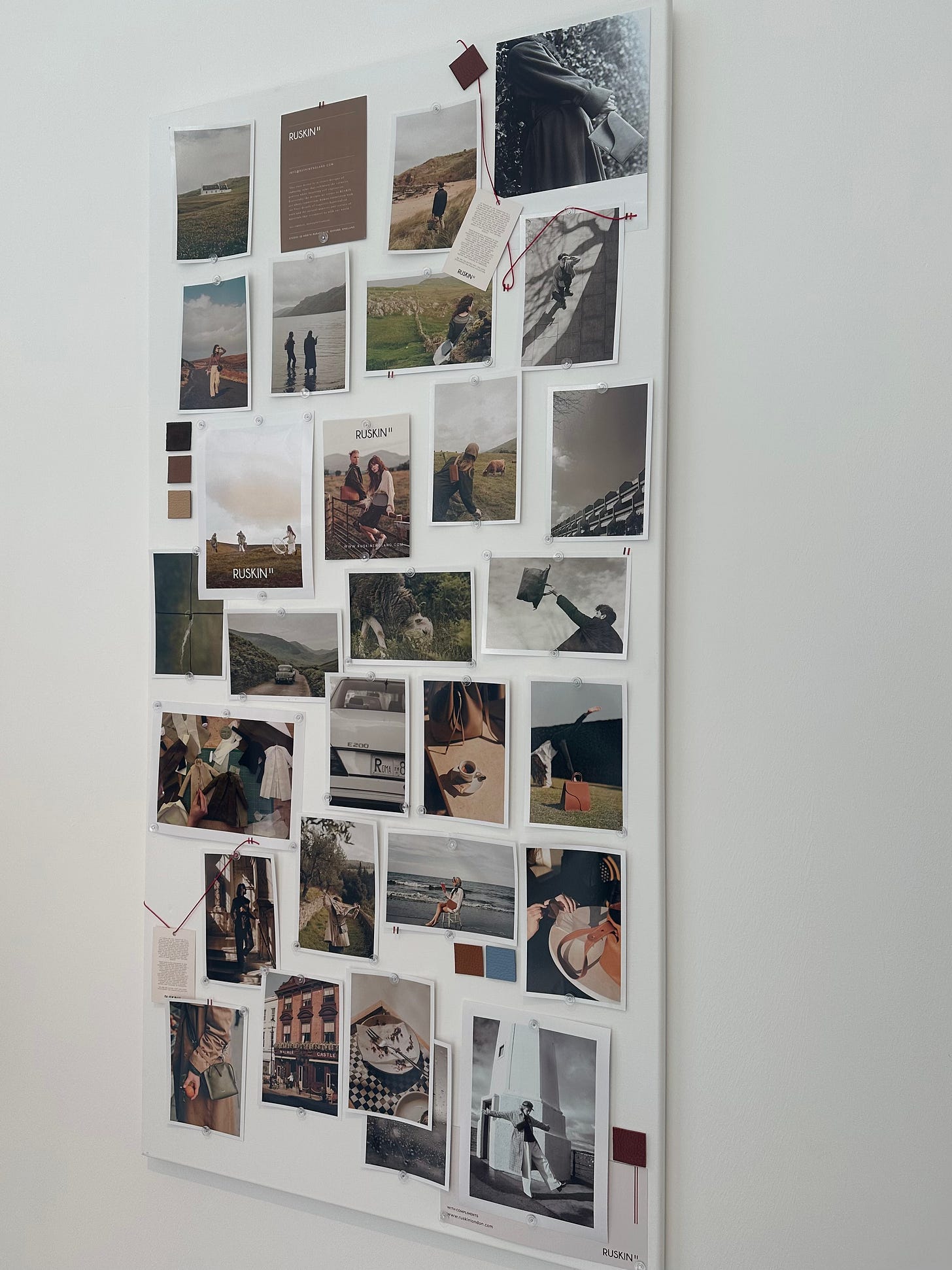
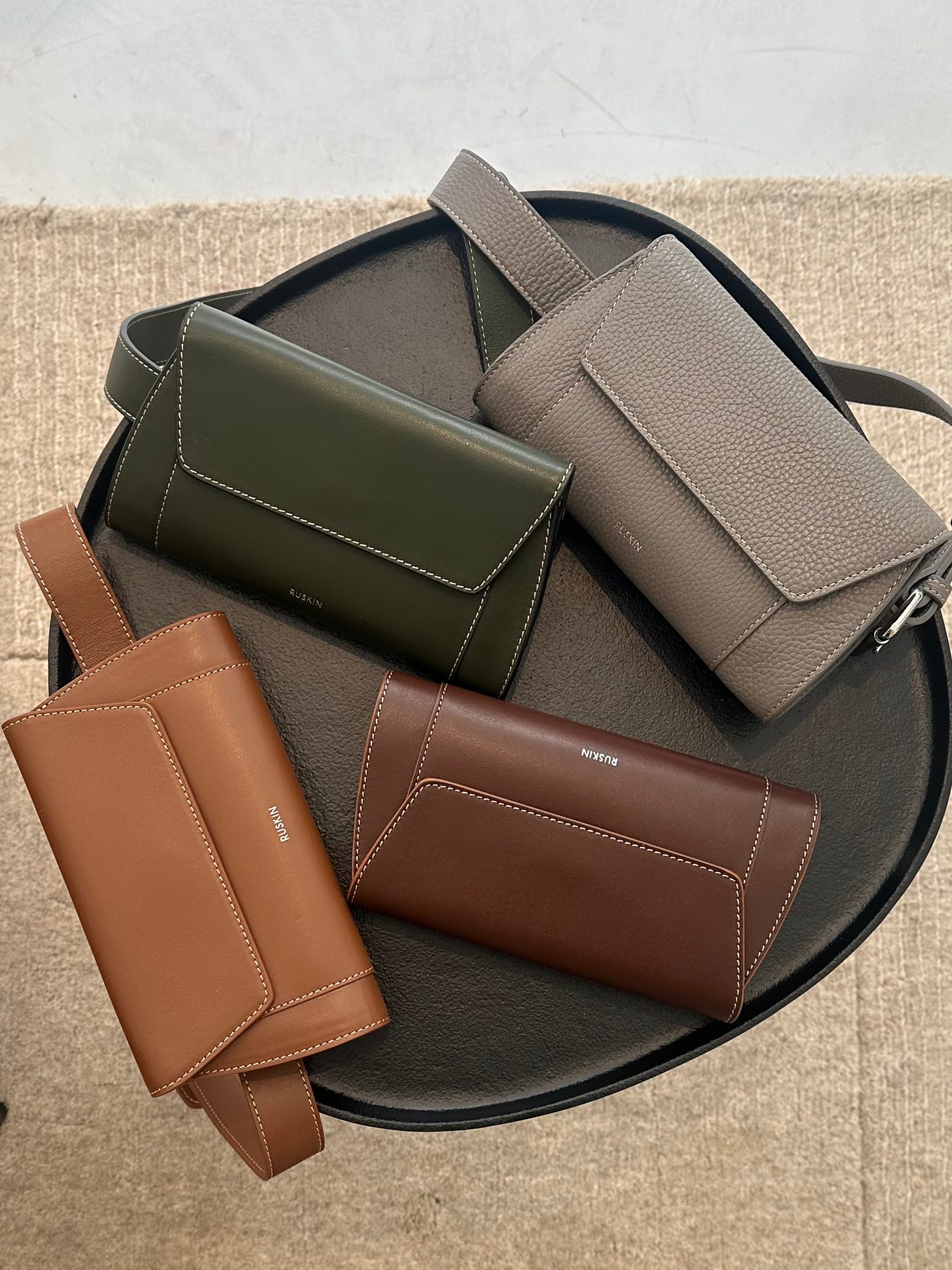
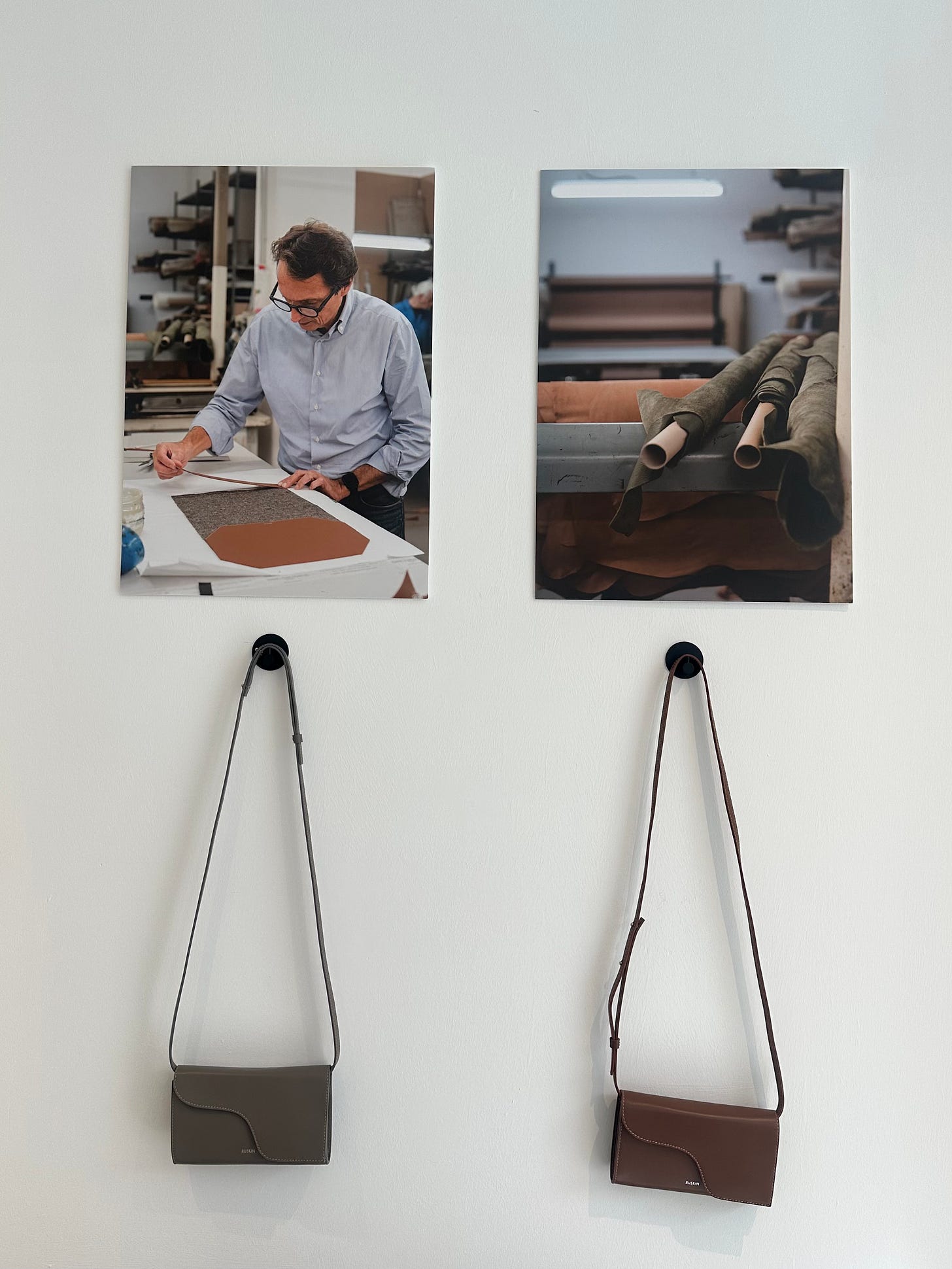
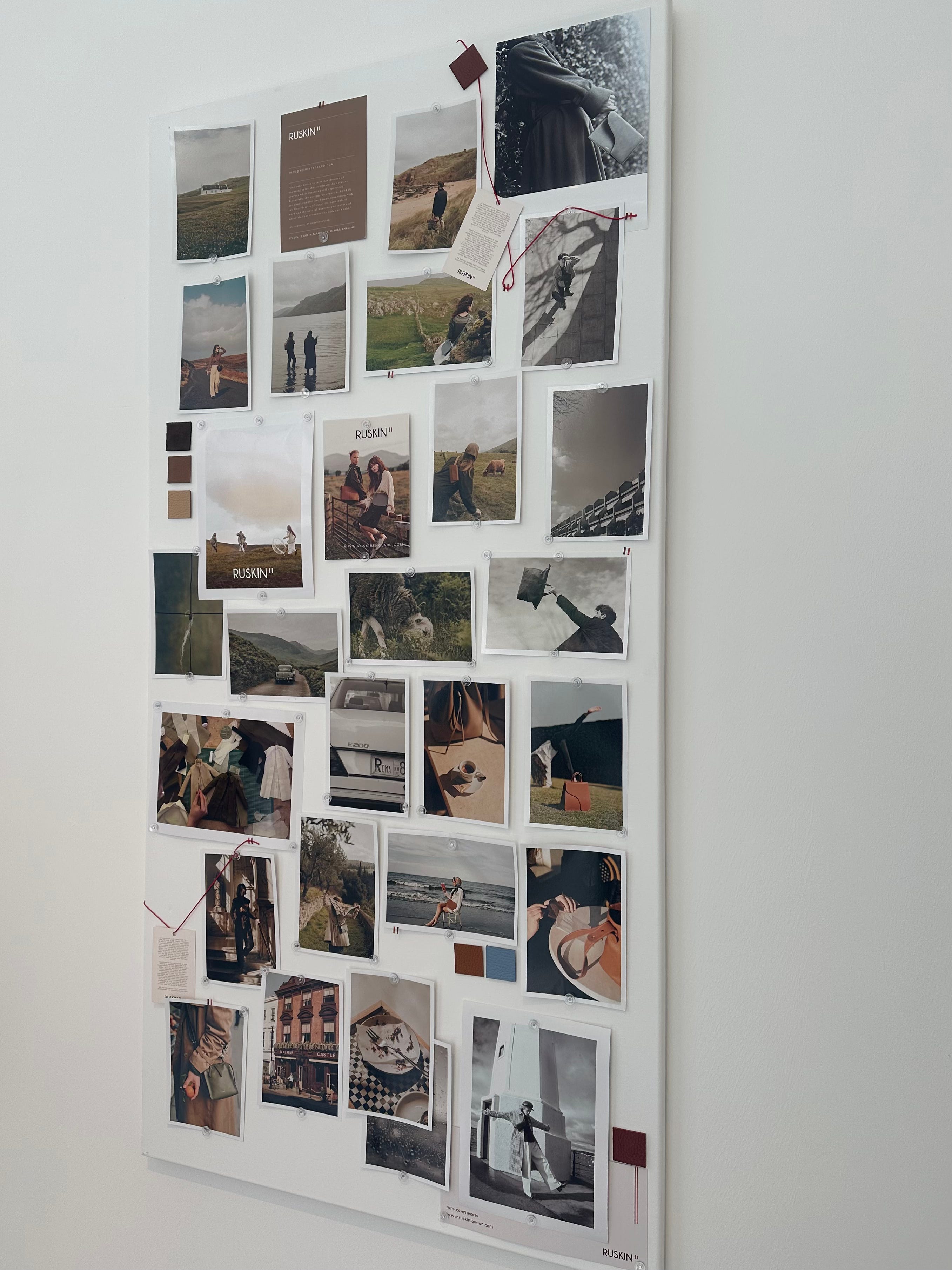
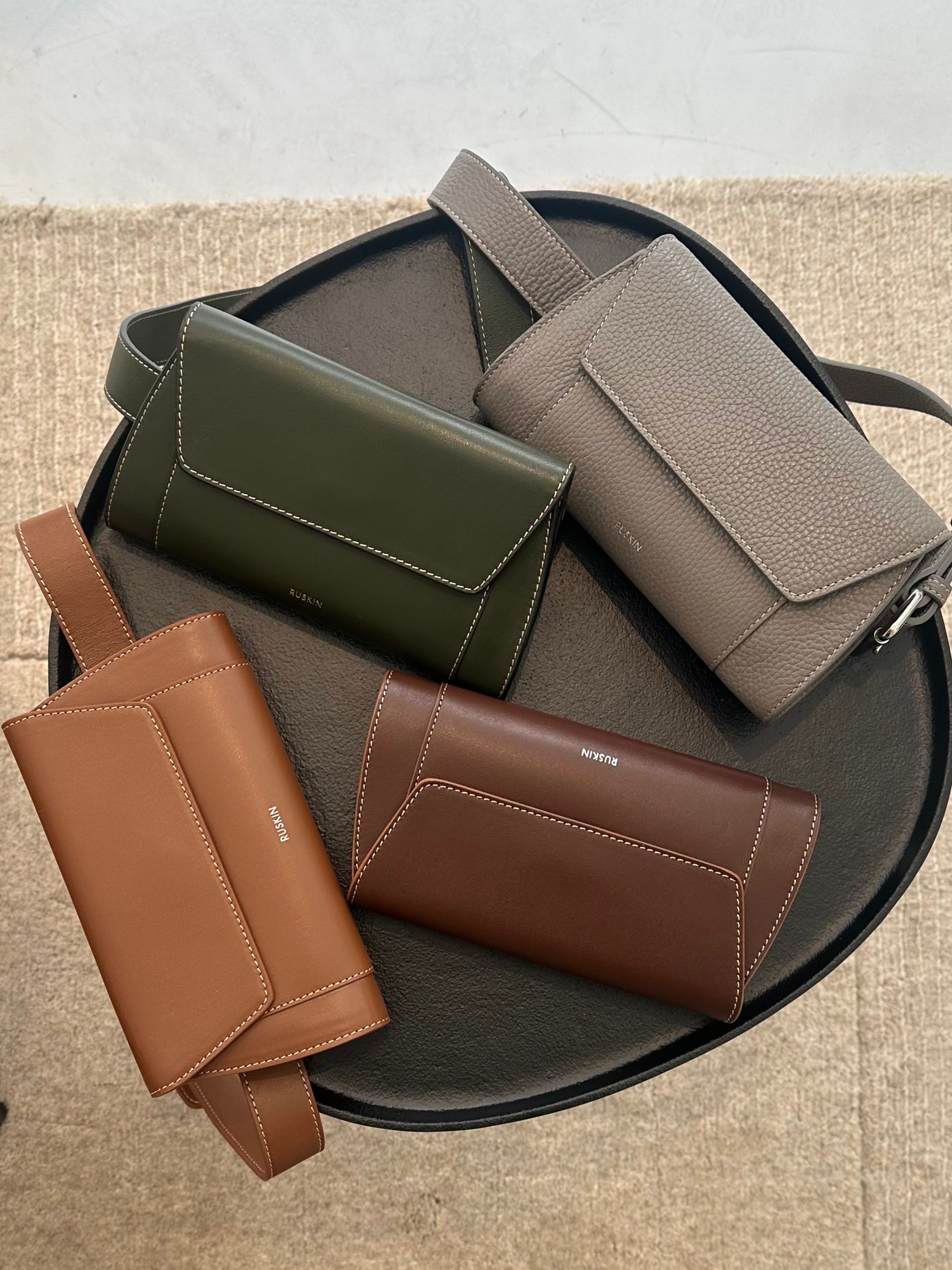
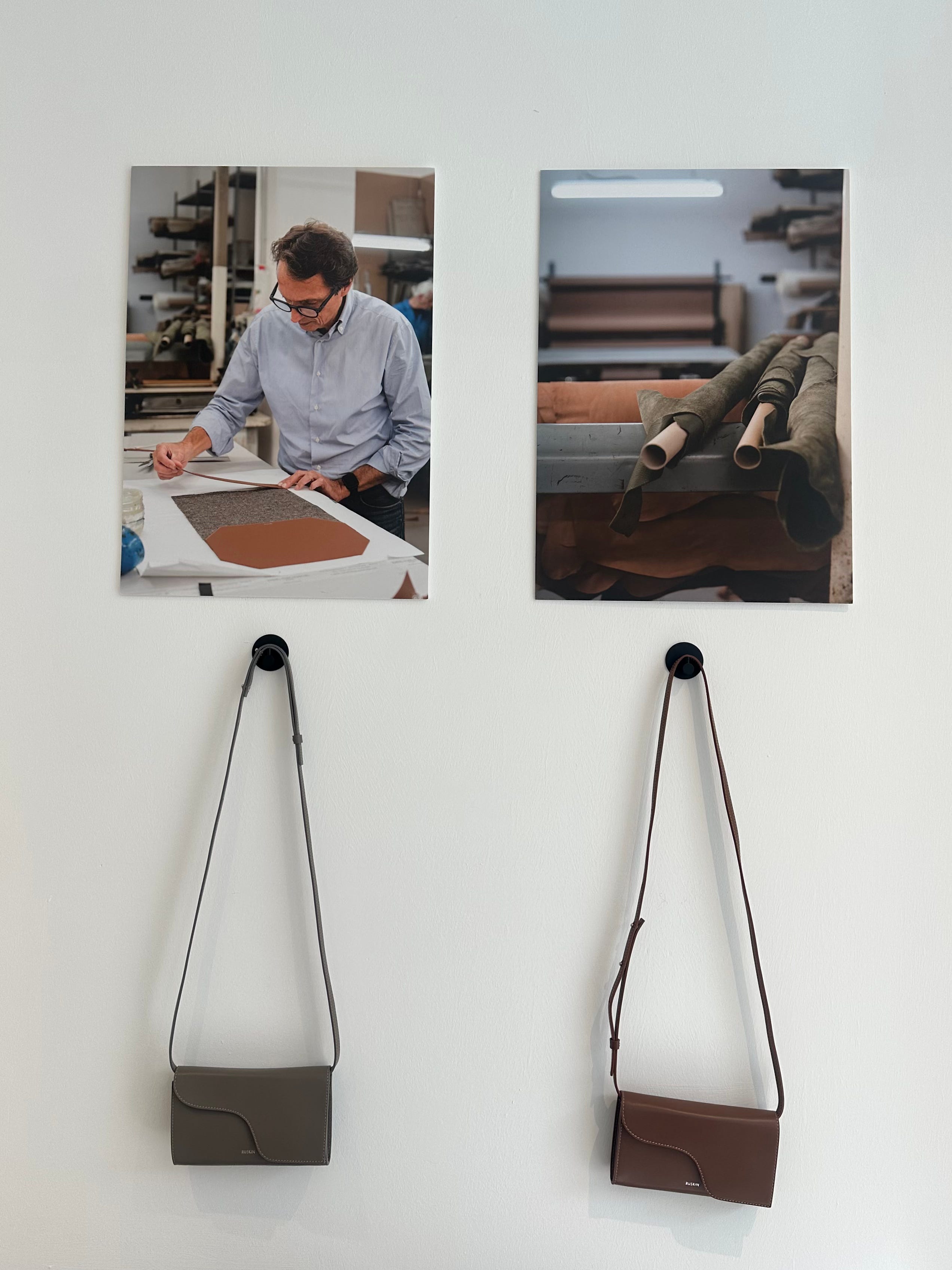
While in London, I caught the RUSKIN pop-up in Marylebone before it closed on the 10th. The Oxford-based brand makes travel bags in the British heritage tradition, and the attention to craft makes you slightly embarrassed by your existing luggage. But what I admire most is that its founder, Alli, maintains a vision that isn’t diluted in the translation to product. Worth seeking out.
It's that time of the month where everything runs out at once. Currently restocking:

Thank you for reading and supporting The Other HAFH. If you're not yet a subscriber, you can join below. And if you know someone who'd enjoy this, forwarding is the kindest thing you can do.
Hater
As the only non-golfer in my family I felt this in my soul. Also the Westman Atelier mascara is the BEST.