

I said it before in my notes, and I’ll say it again: Valentine’s Day is the best commercial holiday. I truly appreciate having a whole day to celebrate the great loves of my life, romantic or otherwise.
Cities can be great loves, too, and San Francisco is one of mine. It’s close to my heart and this week’s newsletter is a semi-love letter. Critical, perhaps, but only out of love. I suppose I’ve got the Super Bowl to thank for inspiring the topic.
Let’s get into it.

Two years ago, the Eames Institute of Infinite Curiosity opened in a converted warehouse in Richmond, California. It housed 40,000 artefacts from Ray and Charles Eames. Around the same time, across the Bay in San Francisco’s Tenderloin, The Phoenix Hotel was listed for sale. The boutique hotel, founded by Chip Conley in 1987, had hosted celebrities like David Bowie and Nirvana. It proved that a motel with a pool and the right attitude could become a cultural institution. But it closed its doors on January 1, 2026.
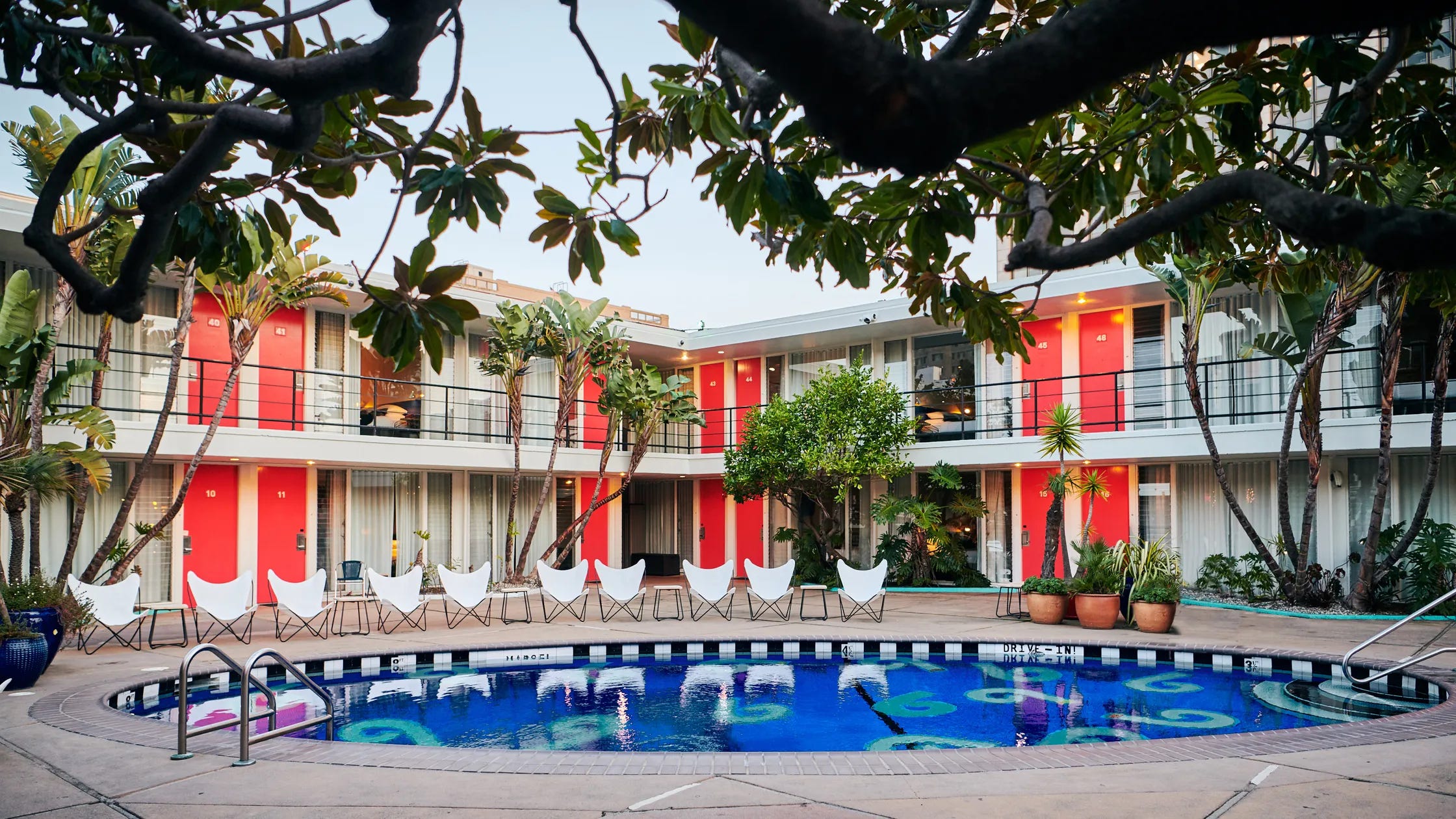
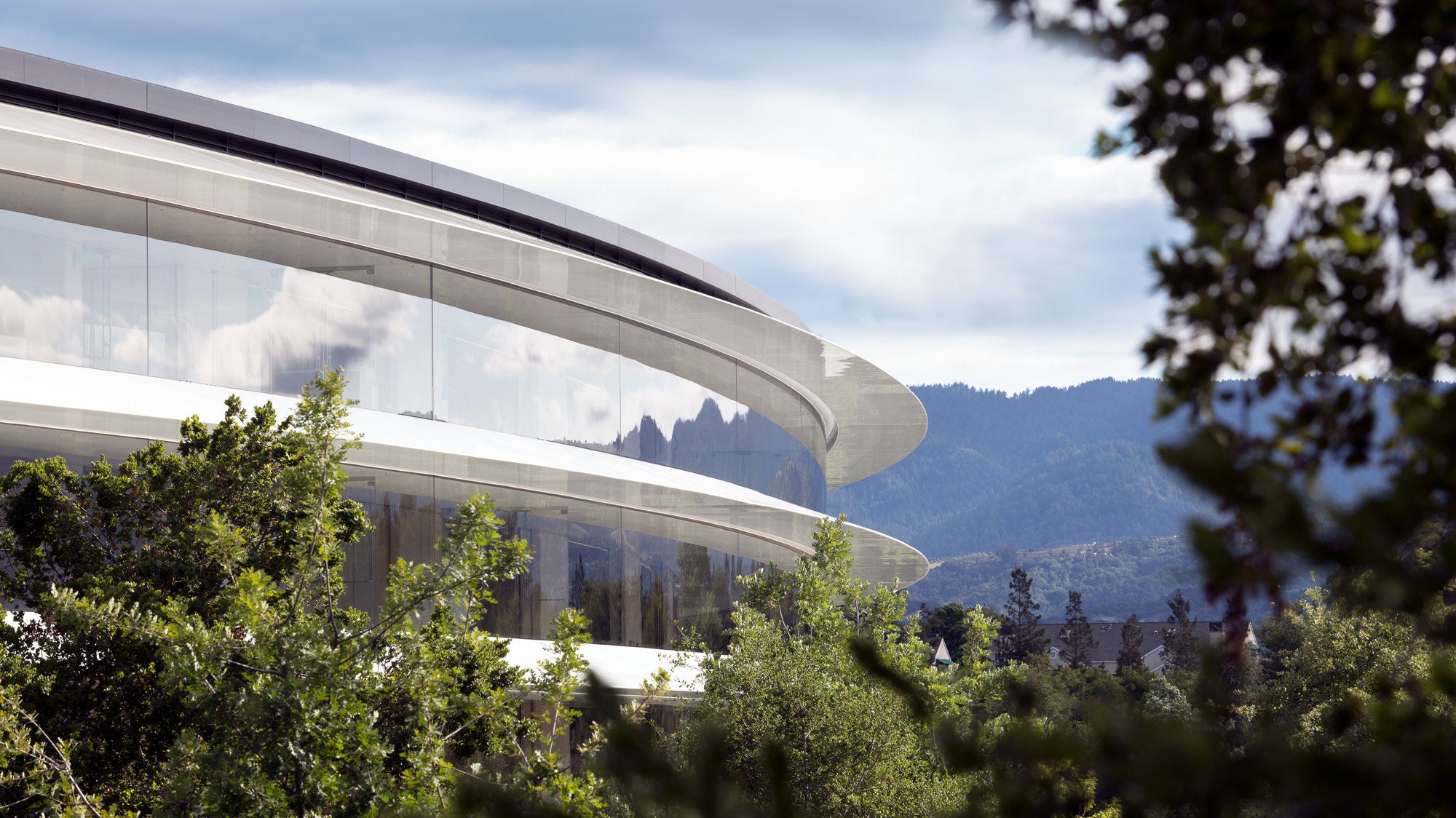
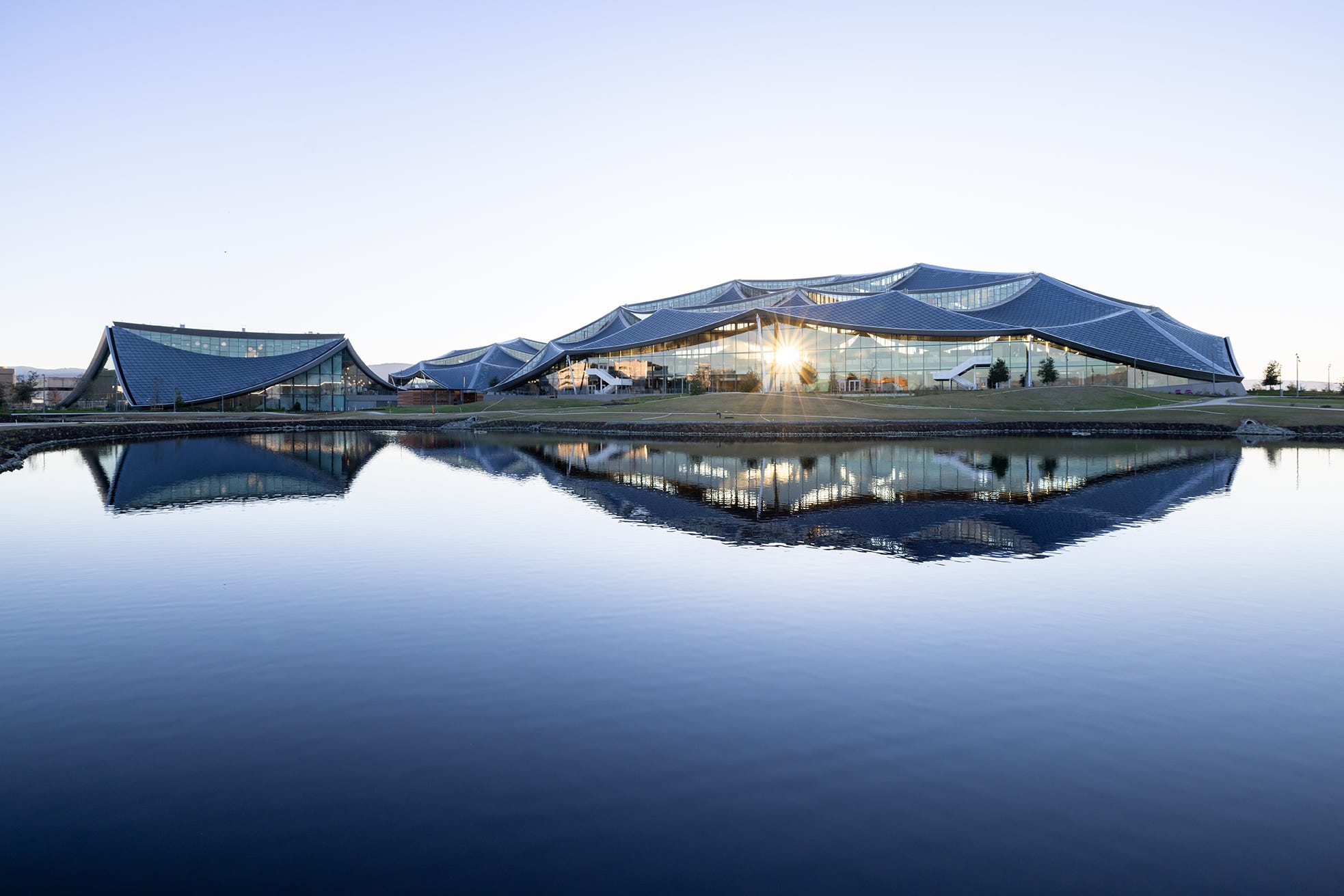
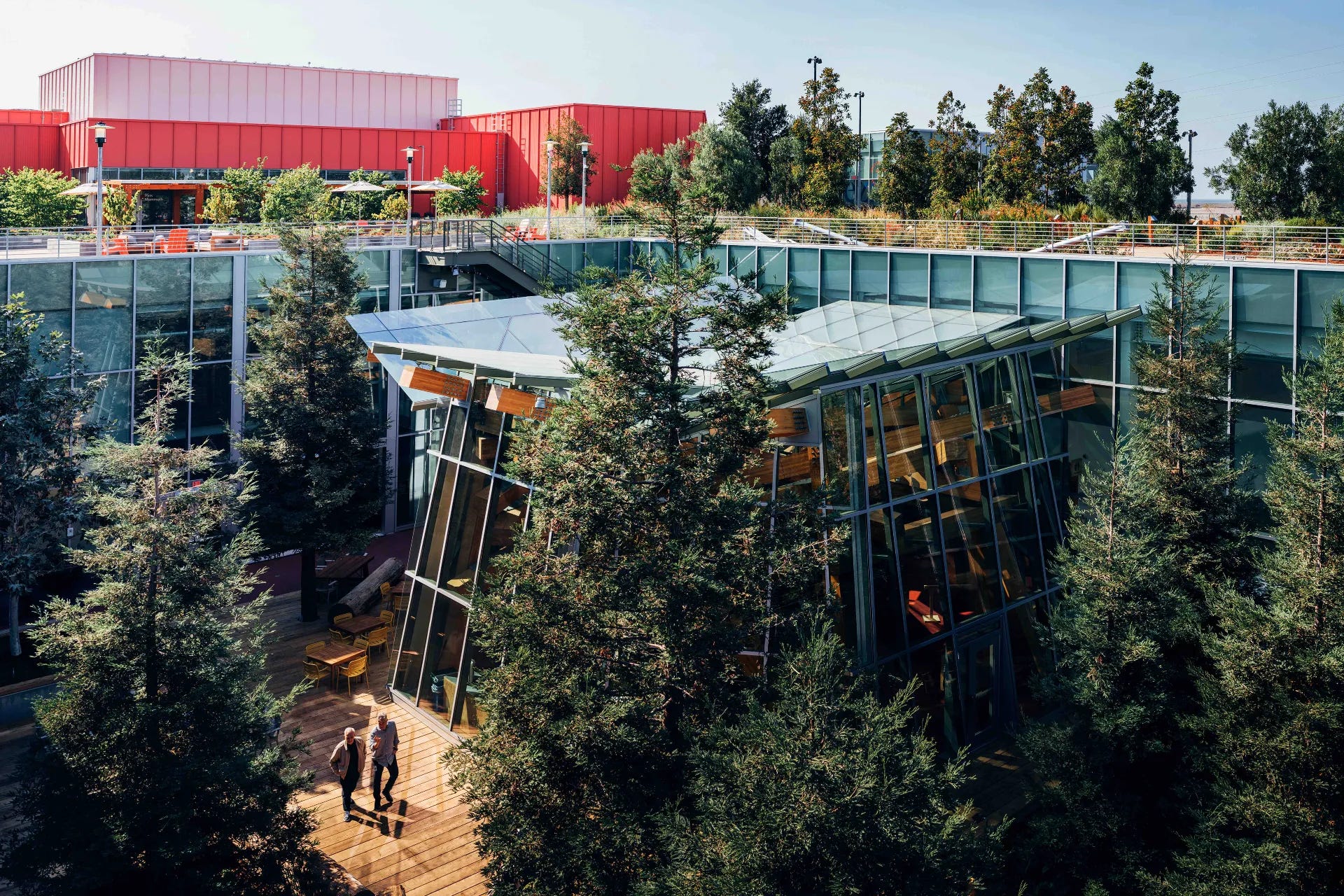
The closure of this legendary hotel was truly sad news. The Bay Area isn’t some design backwater; it’s one of America’s most architecturally credentialed sites. SFMOMA is housed in a Mario Botta building expanded by Snøhetta, while the de Young Museum was rebuilt by Herzog & de Meuron in collaboration with Fong & Chan Architects. Norman Foster renovated the Transamerica Pyramid, and then you’ve got Apple Park—another Foster masterpiece. Bjarke Ingels and Thomas Heatherwick designed Google’s Bay View campus, and Frank Gehry built Meta’s headquarters in Menlo Park. On top of all that, San Francisco boasts approximately 48,000 Victorian and Edwardian houses, and 30 Michelin-starred restaurants—a culinary scene that’s exceptional compared to most other US cities.
BUT, big but, if you walk into the average San Francisco hotel, you could be absolutely anywhere. Take the Marriott Marquis, near Moscone Center, for example, with 39 storeys of rooms that were last renovated in the early 2000s. The lobby sucks your soul dry. It’s a bland corporate mess and its upper silhouette has even been compared to a jukebox. It’s not a compliment.
Unfortunately, it isn’t an isolated case. The Fairmont and Mark Hopkins are the grand dames of Nob Hill, each promising postcard views. But the Mark Hopkins’ hasn’t been renovated for a while. They did redo the Peacock Court and the Top of the Mark, but it’s not sufficient. These are hotels running on the fumes of Reagan-era refurbishments, and it certainly shows.
I’d like to add that The Stanford Court (also in Nob Hill) was hit with a foreclosure lawsuit in January 2025.
So why does a city with an abundance of design talent and wealth produce hotels this aggressively mediocre?
The answer is structural. San Francisco has 253 hotels and 36,165 rooms. The overwhelming majority exist to serve one type of customer, which is the convention delegate.
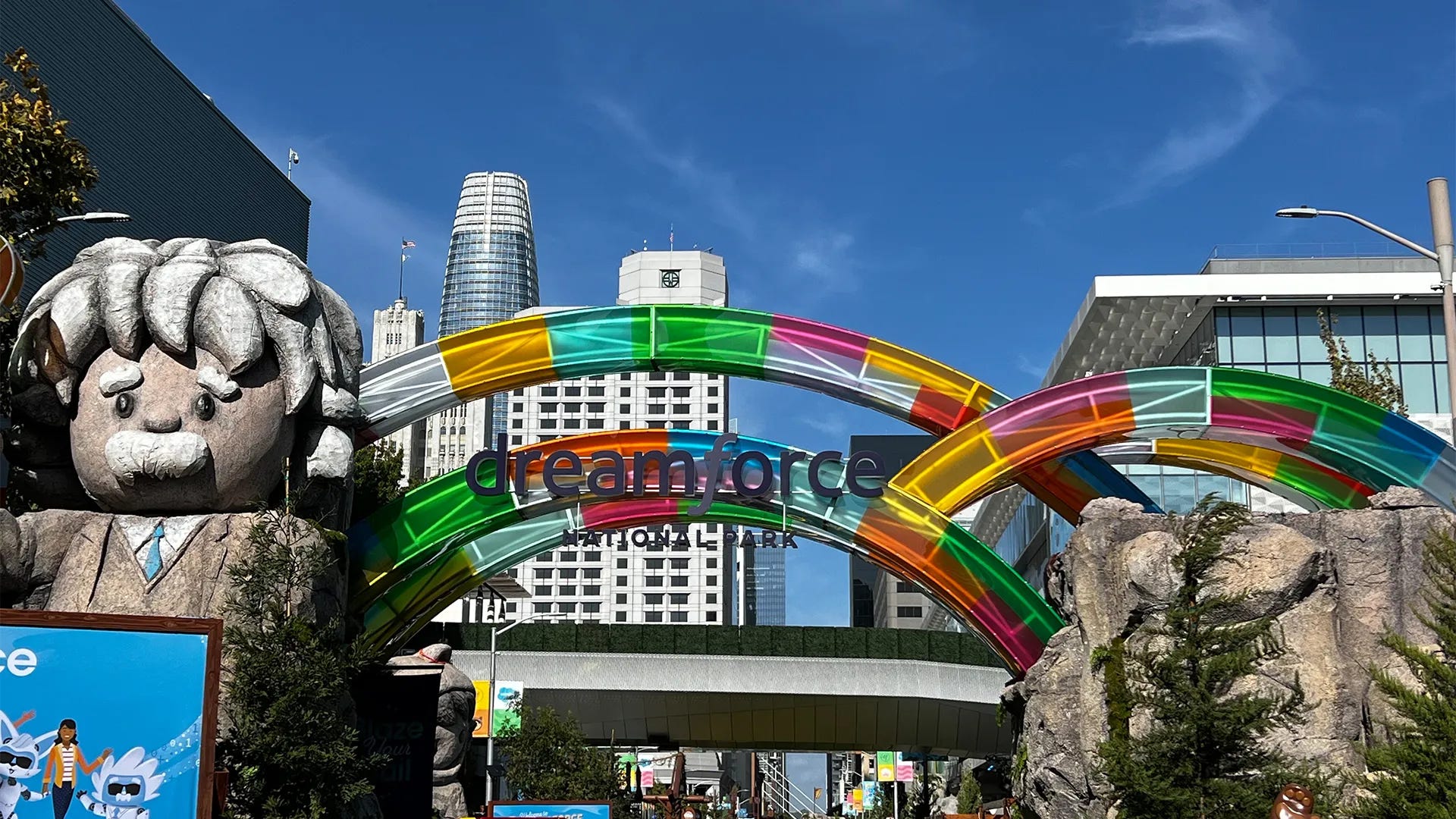
Based on early 2025 projections, Moscone Center events were forecast to generate over 670,000 hotel room nights, marking a significant rebound (roughly 64% to over 70%) from the 2024 low. Dreamforce, RSA, GDC, Microsoft Ignite. The city’s hotel economy orbits a convention floor, and convention travellers don’t choose hotels. Their companies do. Subsequently, price, proximity to Moscone and room-block availability matter. A Kelly Wearstler lobby does not. So the maths is straightforward. When convention delegates are generating hundreds of thousands of room nights and your occupancy runs just north of 50%, you optimise for capacity, not taste.
What stings is that San Francisco invented the opposite. Bill Kimpton opened America’s first boutique hotel here in 1981, inspired by Europe. He managed to convince travellers that personality mattered more than standardisation, and he was right. Kimpton Hotels grew into the largest boutique chain in the country. At least, until IHG bought it.
Chip Conley followed the same arc. He founded Joie de Vivre Hospitality in 1987, at the age of 26, building several boutique hotels, each with a distinct identity. He called them ‘psychographic’ concepts. The Phoenix was his first, and then he sold the company to Geolo Capital in 2010. The brand is now called JdV by Hyatt.
The pattern repeats with every generation. Ian Schrager brought Philippe Starck to the Clift in 2001, reportedly spending $50 million on a redesign that briefly made it the most interesting hotel in the city. The Redwood Room, panelled with timber from a single California redwood, originally built in 1933, was a major part of the draw. Today, however, the Clift is a Sonesta property, which hardly carries the same sex appeal.
The pioneers built something credible and worth caring about, only to then sell to companies that didn’t.
The few properties that have tried to resist this logic aren’t faring that much better. The San Francisco Proper, a 1904 Beaux-Arts flatiron by Albert Pissis with interiors by Kelly Wearstler, is arguably the most trendy hotel in the city. But it received a loan default notice from Westbrook Partners in November 2024. Then, the LINE, which opened in 2022 and won an AIA San Francisco Design Award in 2023, was rebranded as the Timbri Hotel, Curio Collection by Hilton by December 2024. Two years from design accolade to chain sub-brand.
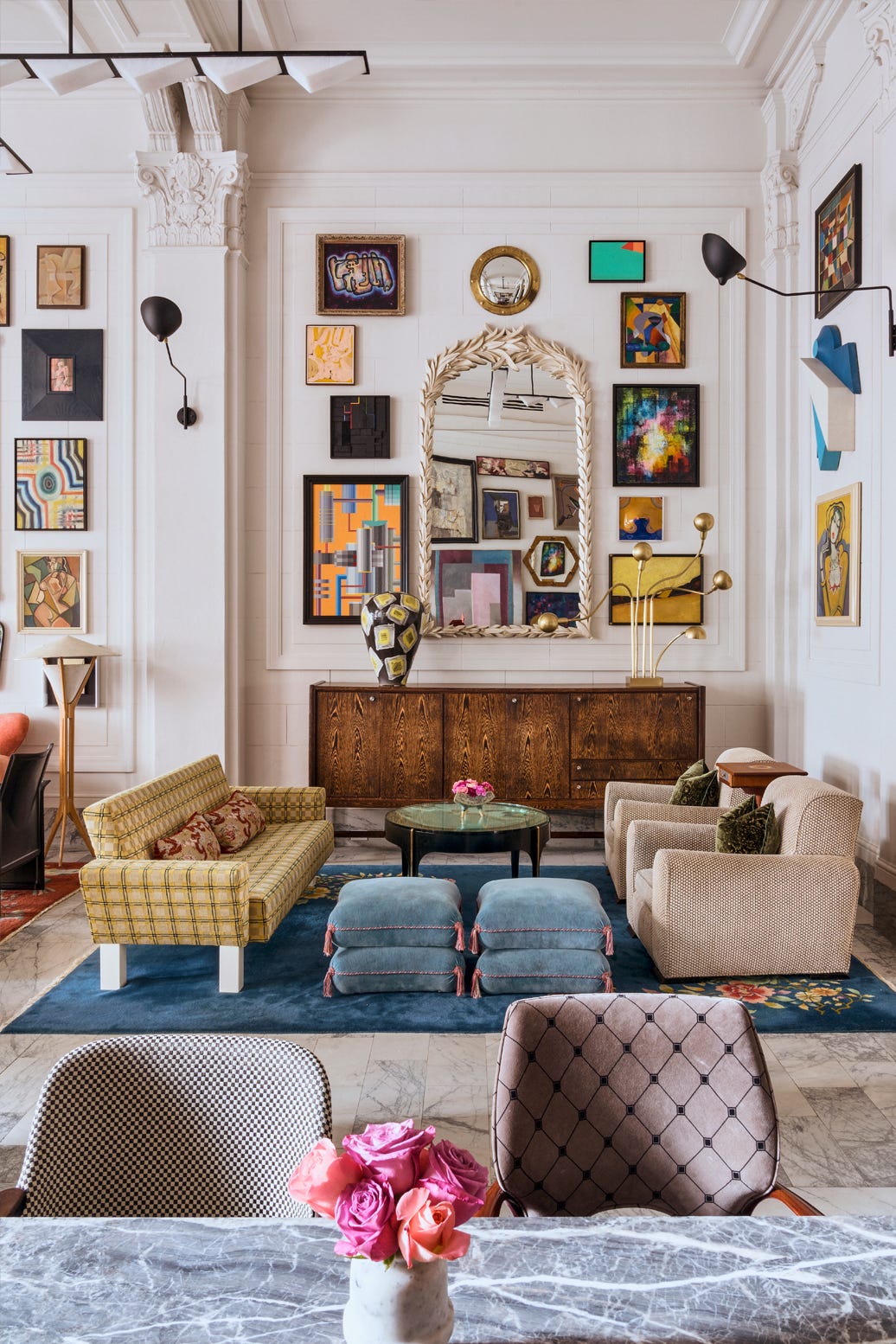
Even the rare exceptions that survive prove just how difficult it is to build identity in this market. The 1 Hotel San Francisco is competent but too formulaic. It runs the same biophilic playbook in Miami, Brooklyn, etc. It’s a good hotel, yes. But it’s just not a San Francisco hotel.
The whole thing is even more ironic when you consider that Airbnb was founded here. Brian Chesky couldn’t pay rent in the city in 2007, so he rented out air mattresses. The company he built has since captured a significant share of the city’s leisure traveller market. The circularity would be almost funny if it weren’t so revealing. When Chip Conley sold Joie de Vivre, he went on to become Airbnb’s head of global hospitality and strategy. A legend who defined San Francisco’s boutique hotel identity goes and works for a platform that helped undermine it.
It’s a shame, honestly. Other cities, with fewer resources, have managed what San Francisco has not.
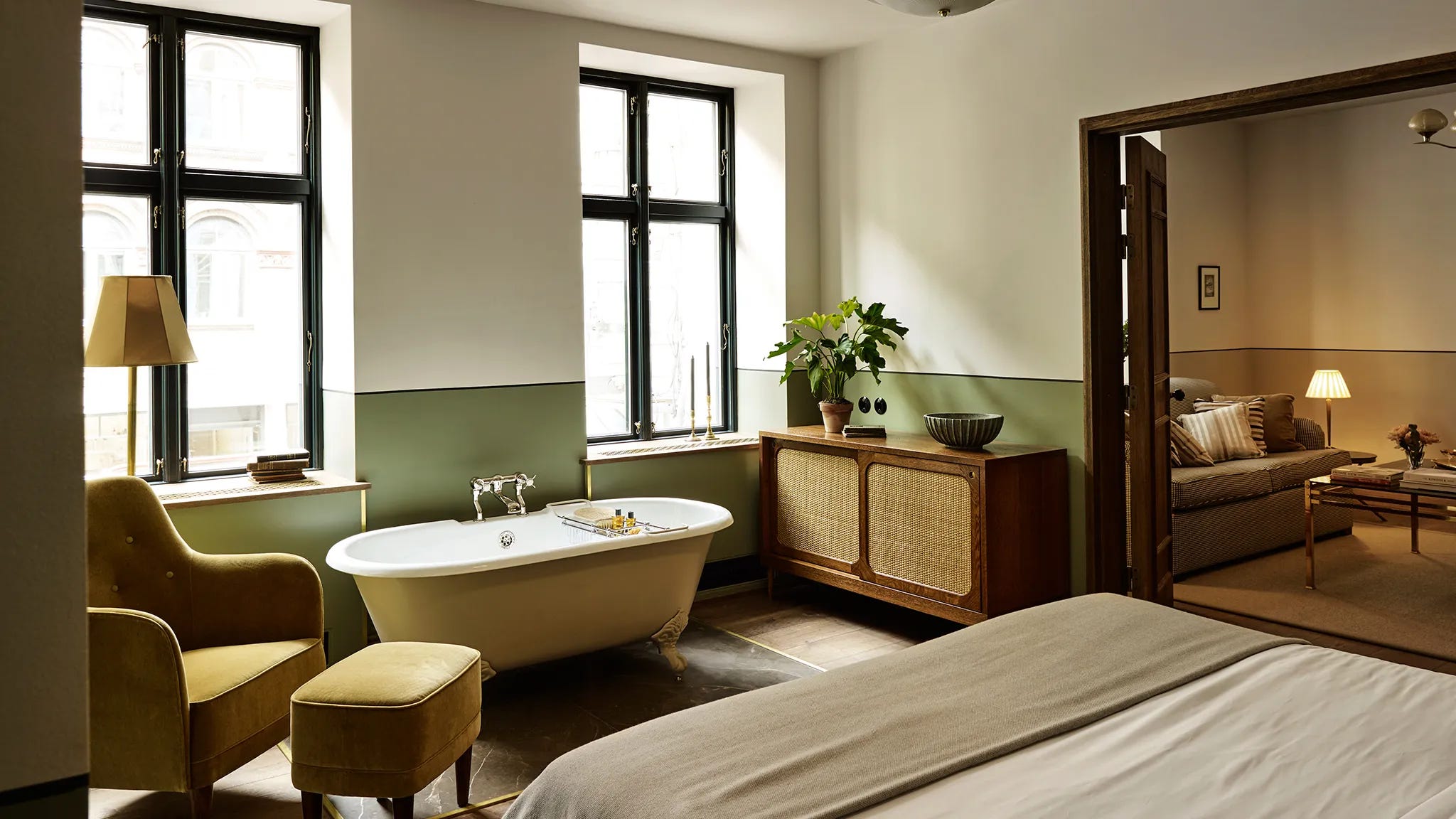
In Europe, Copenhagen’s Hotel Sanders has 54 rooms. It was opened in 2017 by a ballet dancer, and the design by Lind + Almond centres on Danish mid-century. It works because Copenhagen’s hotel economy serves leisure travellers who choose on taste, not corporate travel departments booking on proximity.
In Mexico City’s Roma Norte, La Valise operates a handful of rooms in a converted mansion. It expanded in 2024 with more rooms and a spa. But it proves that you don’t need massive capital. You just need old buildings and talented designers. Plus, obviously, a neighbourhood worth staying in.
But why are we travelling across borders when we can take a look at the phenomenon in America itself? Consider Austin. South Congress has become a boutique hotel cluster, thanks to Liz Lambert’s Bunkhouse Group. They each have taste and they’ve stayed put, appealing to all types of travellers.
Also, Detroit! A city I constantly bring up. The Shinola Hotel was designed by GACHOT and was awarded a Michelin Key in 2024. This city, with a fraction of San Francisco’s wealth and tourism infrastructure, produced a hotel that’s become a national benchmark. So the difference clearly isn’t a matter of resources.
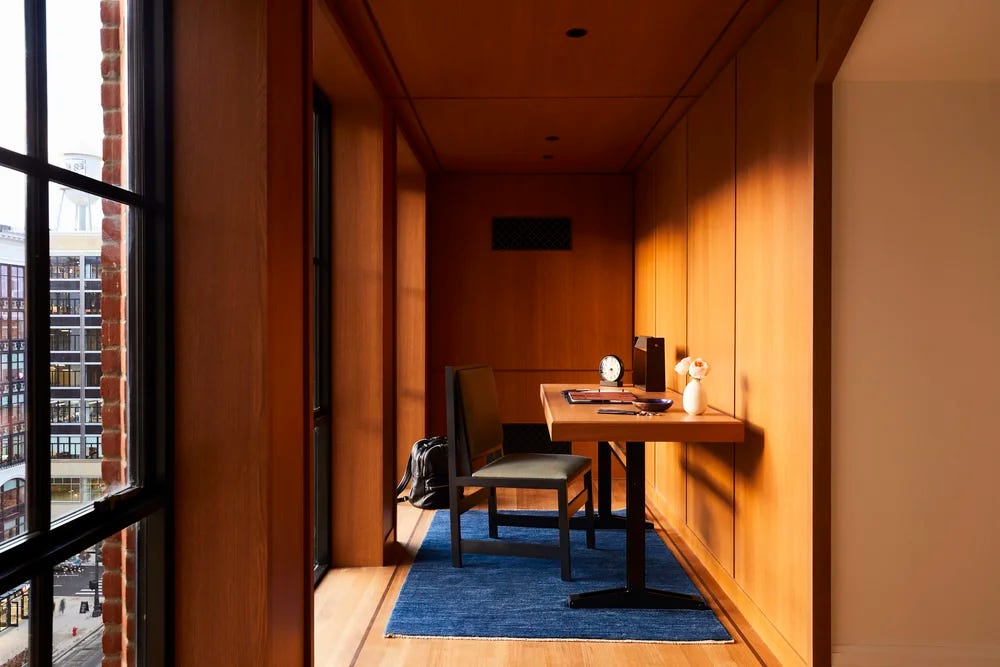
There is, however, one reason for cautious optimism. The Hearst Hotel, an Auberge Resorts property, is set to open this year inside the former San Francisco Examiner headquarters—a 1911 Renaissance Revival building on Market Street, originally designed by Kirby, Petit & Green, and later remodelled by Julia Morgan. Roman and Williams are handling the interiors, so you know it’s going to be good. And the overall combination of a serious design firm, a proven luxury operator, and a building with provenance is the strongest proposition San Francisco has seen in years.
Whether the Hearst succeeds as a design destination or buckles under the same financial pressures that put the Proper in default will say something definitive about what this city values. One hotel will hardly make a scene. But it might prove that one is still possible.
The broader takeaway, however, is a sordid one. San Francisco has the architects, the design literacy, the money, and the cultural appetite to support extraordinary hotels. What it doesn’t have (that other cities do have) is a market that rewards good taste. When a hotel economy runs on conventions and its leisure travellers sleep in Airbnbs, the incentive structure doesn’t favour the tastemakers of the world.
Design culture, as it turns out, is necessary but not enough. A city can celebrate the Eames and lose the Phoenix in the same year and not notice the contradiction.

INDUSTRY
I’ve always been sceptical of Airbnb. This post should’ve made that obvious. And I’m even more sceptical knowing that they’ve appointed their first-ever head of hotels. The platform that’s helped hollow out San Francisco’s boutique hotel scene is now coming for what’s left of it with a new C-suite role. Jesse Stein (who’s also their global head of real estate) has filled it. They also hired Lou Zameryka from Booking.com as global head of hotel enterprise and connectivity partnerships. Chesky’s apparently said the company will ‘aggressively’ target hotel expansion, namely properties in Europe where ‘a huge percentage of hotels are independent’. Sadly, not rhetoric. Airbnb revamped its ‘services and experiences’ feature to mimic luxury hotel offerings (things like private chefs, personal trainers, etc.). Now, they don’t just disrupt hotels, they’re the saviour of independent hospitality!
The Waldorf Astoria in New York is for sale (again). According to the Wall Street Journal, Dajia Insurance Group (the Chinese state-run entity that took over Anbang’s assets after the 2018 government seizure) is preparing to sell through Eastdil Secured as soon as next month. The sale includes the hotel, restaurants, shops, and amenities, but the branded residences will continue to be sold separately. Here’s the backstory. Anbang bought the Waldorf from Hilton for $1.95 billion in 2015. The renovation was supposed to take two to three years, but instead, the hotel closed in 2017 and didn’t reopen until mid-2025, delayed by COVID and Anbang’s spectacular implosion when Beijing seized the company for corruption in 2018. What the ‘for sale’ sign implies is that even after all that money and time, Dajia wants out. Whether that’s pressure from Beijing or concerns about NYC luxury hotel fundamentals is up for debate. Either way, the new buyer inherits a newly minted trophy asset with unknown economics and a full-of-faff ownership history.
WELLNESS
Six Senses landed in London inside the old Whiteleys shopping centre in Bayswater, and it’s opening its magnesium pool on March 1. It’ll be the first of its kind in the city, and it’s an urban wellness flagship I’ve got my eyes on. Maybe I’ll test it out when I’m back home next month.
THINGS
Too late to order in time for Valentine’s Day, so you’ll just have to wait for the next Hallmark holiday to make use of these gorgeous greeting cards from Jaymes Paper. I’ve talked about this stationery brand before, and I simply can’t get enough. Similarly, I recently discovered Noat—yet another place for slightly cooler greeting cards. And if you’re not into putting pen to paper, perhaps you’re more inclined to go digital with the hiNOTE app. It’s my go-to for annoying my loved ones with irrelevant and irreverent notes (say that ten times fast).

This Valentine’s Day, I’m so grateful for you, dear reader. This community is yet another great love of my life. I hope you have a wonderful weekend no matter what you’re doing, and I’ll catch up with you next week.
Thoughts on Hotel Drisco??