

What a whirlwind of a week.
As a friend aptly put it, “August really has been the month of everything happening all at once, and nothing happening at all.”
Plenty going on in my world. Does it feel the same in yours?
I’ve been looking forward to the next few days, though. One, it’s a long weekend here in the States. And two, we’re celebrating a wedding anniversary (one of several I lay claim to).
It feels like as good a week as any to talk about relationships. More specifically, interracial ones. There’s a lot that people don’t see from the outside, and a surprisingly large part of the conversation is about food. Yes, our diets. Because food is culture.
But before that, some industry notes.

Aman is making its Palm Beach debut
It was a while of ‘will they, won’t they’, but Aman is officially bringing oceanfront condominiums to Palm Beach. You know how I feel about branded residences, so we won’t dwell on that. What I’m less certain of is how I feel about Palm Beach.
Aman is a brand that prides itself on the whole ‘quiet luxury’ fad, but to me, Palm Beach is anything but. Luxury there seems louder. More Overt. I mean, has anyone seen the Class of Palm Beach account on TikTok/Instagram?
Rosewood Hotels will open a Napa Valley property in 2027
Speaking of quiet luxury versus spotlight, this news is something of a counterpoint. Rosewood is set to open Rosewood Calistoga in Napa Valley in 2027. It’s a forested, hills-edge retreat over 118 acres, with 129 rooms and residences.
If disingenuous marketing language gives you pause, here’s something refreshing. It’s rooted in terroir, unlike protest luxury via marble columns or gold.

When people talk about the challenges of interracial relationships, the conversation tends to land on big-ticket topics, like cultural values and family expectations—maybe even religion. Rarely does anyone mention the thing that ends up being a big deal in the day-to-day, which is what’s on your plate.
Diet can bring you closer, but it’s just as capable of causing friction.
For those who don’t already know, my husband, David, is American. He’s white. I’m Indian, but I moved to England when I was about four years old. My schooling, my accent and social norms are all very much British. But culturally, I’m still very Indian. I grew up visiting the motherland often, and food was almost always at the centre of those trips. Indians love to feed people. It’s a love language in its own right.
For some more context, when I was 17, I gave up meat. Since then, I’ve dipped in and out of veganism, but David has always been a meat-eater, and I never expected him to change that. What did concern me, though, was whether he’d take to South Indian food. He’d had Indian food before, of course, but South Indian cooking is a world apart from the creamy curries and rich gravies most people encounter in Western restaurants.
The first perceived challenge came before David had even set foot in India. He was visiting my family in the UK for the first time, and my mum, in her typical lighthearted way, said, “I’ve made Indian food, but if he doesn’t like it, I can make pasta.”
It was a joke, but underneath it was the very real anxiety of introducing someone to a cuisine that’s completely tied to your identity.
Was he going to find it too runny? Too bitty? Too foreign?
But David dove straight in. He didn’t just tolerate the food, he seemed to genuinely enjoy it. He asked questions and he wanted to know the names of dishes and the regional differences. To this day, if we’re eating out, he’s the one constantly suggesting Indian food.
The real immersion happened a year later, when we went to India for my cousin’s wedding. It was David’s first time in the country, and if you’ve ever been to India or attended an Indian wedding, you know it’s an assault on the senses in the best possible way.
Weddings in my family are a multi-day parade of meals. Each event has its own spread, and each spread has its own highlights. Everyone wants to make sure you’ve tried their favourite dish. For David, this meant and endless stream of relatives piling food onto his plate, explaining it in rapid-fire, and watching his face intently for a reaction.
I’m proud to say he passed with flying colours. He tried everything. All the street food; all the elaborate curries; all the desserts soaked in syrup. He was game for it all, and my family adored him for it.
The willingness to engage and to learn is what I believe makes the difference. Food in many cultures is central to socialising, and it’s a way for someone to show you they care. Refusing a dish can feel like refusing a gesture of love. And while no one expects blind enthusiasm to every single flavour, the respect for what that food means is non-negotiable.
I’ve seen situations—both in my own family and among friends—where differences in diet became a severe point of tension. For example, my dad’s side of the family are strict vegetarians. My mum’s side eats meat. It was always a philosophical divide, with each side sticking firmly to their culinary identity.
If those differences exist within the same country, imagine layering on the gulf between two entirely different food traditions.
So no, David and I haven’t been totally immune to our own food disagreements.
I remember vividly, a couple of months ago, walking around Central Market when he picked up some beef. Because I don’t eat beef, and never have (even back when I ate meat), I told him I wasn’t going to cook it. I was fine with him making it and eating it, but I didn’t want to handle it.
This sparked a debate. He said he hadn’t realised I felt so strongly about helping him cook it, and I explained that for me, it’s a dietary choice as well as one that’s linked to my religion and culture. Handling beef felt like crossing a line I’ve consciously and unconsciously held my entire life.
Moments like that, however, remind me that it goes both ways. Indian food is a huge part of my identity, but David has his own food traditions that carry just as much meaning and weight. Curiosity matters in both directions.
Engaging with your partner’s food culture in good faith might mean trying a new dish without wrinkling your nose, or learning to cook something that matters to them, even if it’s not your favourite. But it also means respecting boundaries and remaining empathetic. I still don’t cook beef, and David respects that. In turn, we’ve both made a point of staying open to flavours and ingredients that were once unfamiliar to us.
For our relationship, food has become a bridge between our cultures and our families. When David makes me Indian food, I consider it his way of saying, “I value this side of you.” When my family sees him tucking into a plate of chaat with great enthusiasm, it tells them he’s not just there for me, he’s there for all of it.
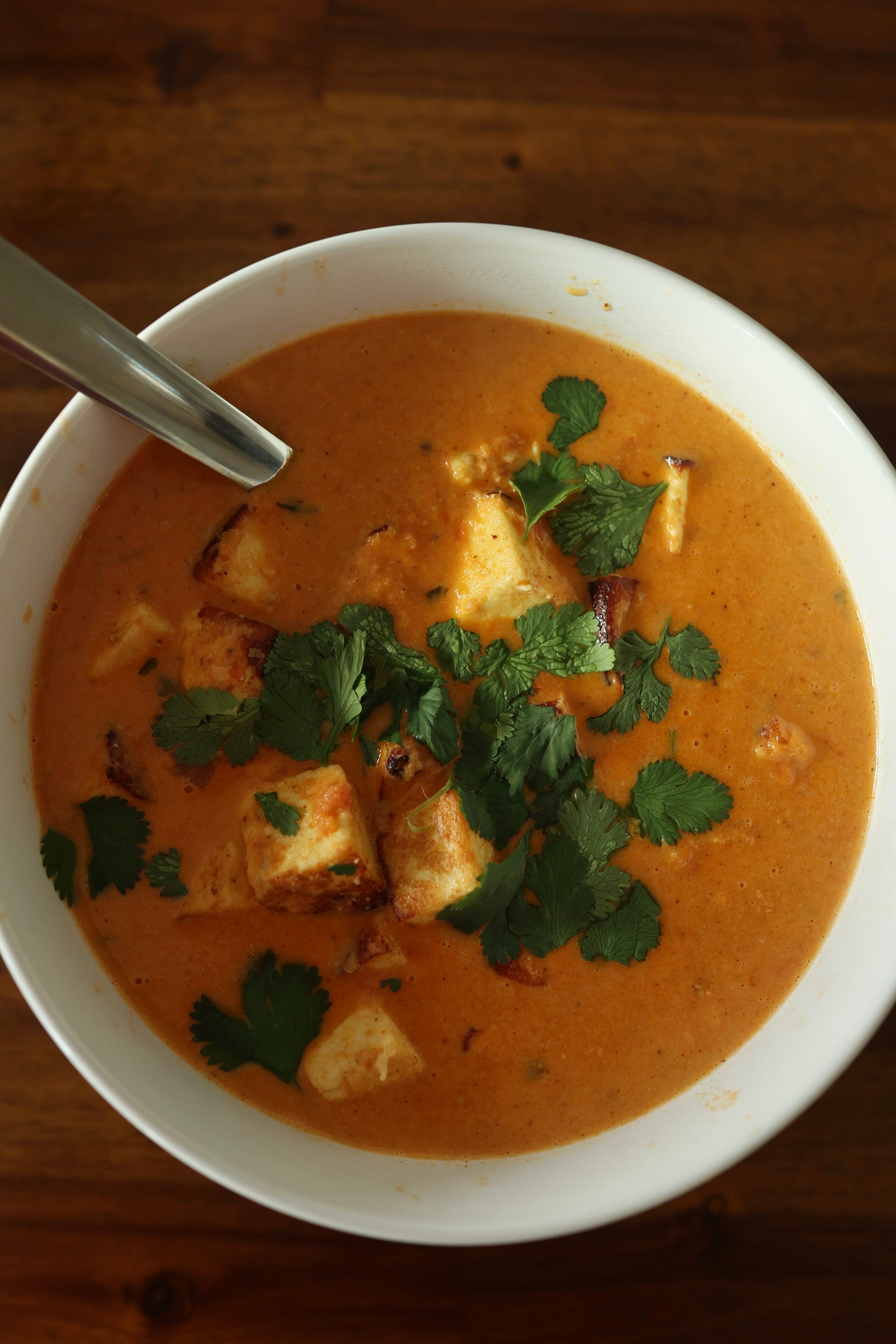
In an interracial marriage, you marry the person as well as their culture. Food is one of the most tangible, daily reminders of that fact. Respecting each other’s food and diet is, in many ways, affirming each other’s history and way of seeing the world. So, love the person, and make peace with their menu, especially if you want things to work.

Since my mind is firmly in the realm of relationships (and food), it feels only right to share the one chai recipe I swear by. Technically a drink, not a meal. But in our house, this little cup is as much a gesture of love as anything we cook.
Note, this is not like those syrupy chai lattes you get at coffee shops. This version is fragrant and very much gingery.
Serves two
Ingredients
¾ cup water
1 inch fresh ginger (more, if you’re like me)
4 cardamom pods
2 tablespoons black tea powder
1 cup milk or milk alternative
Equipment
Small saucepan
Pestle and mortar
Strainer
Method
In a small saucepan over medium heat, bring the water to a simmer and add the black tea.
Lightly crush the cardamom pods and add them in, along with the ginger. For maximum flavour, I prefer to grate the ginger.
Let it all simmer together, then pour in the milk.
Allow it to come to a boil, switching off the heat just as the milk begins to froth.
Stir gently, strain through a sieve and serve.
Alternatively, you could ignore the recipe entirely and pick up these ready mixed chai sachets (not vegan). They’re incredibly convenient for travel.
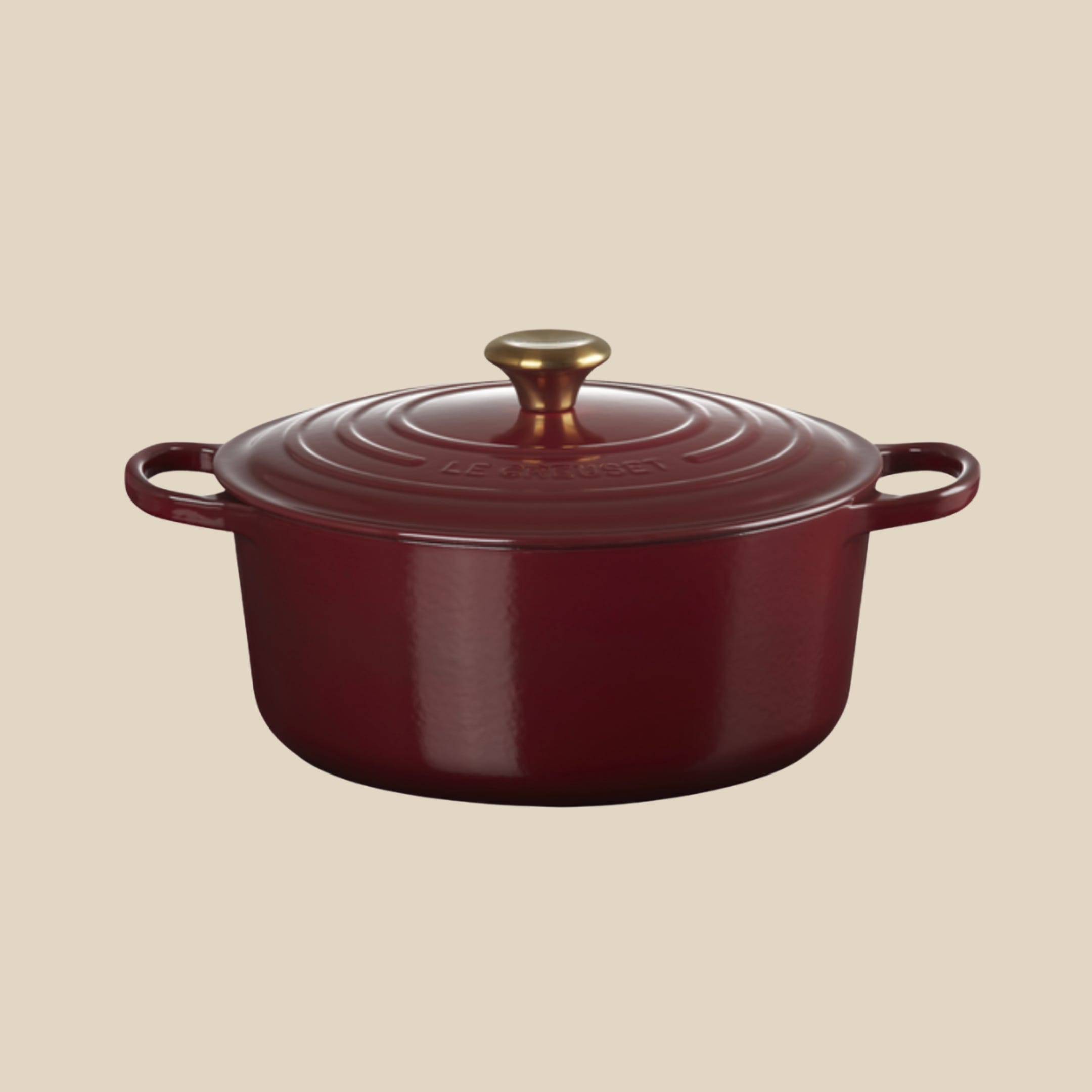
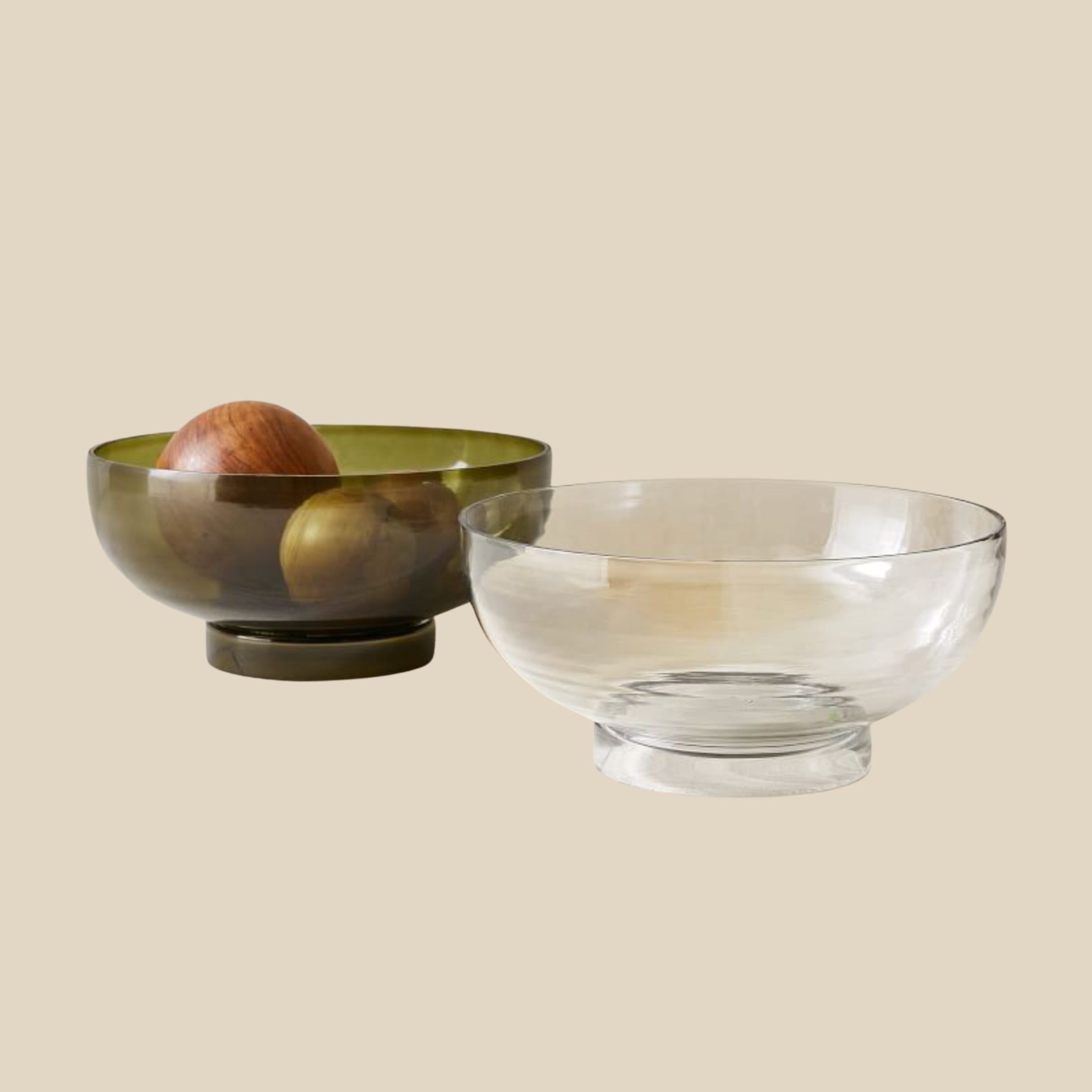
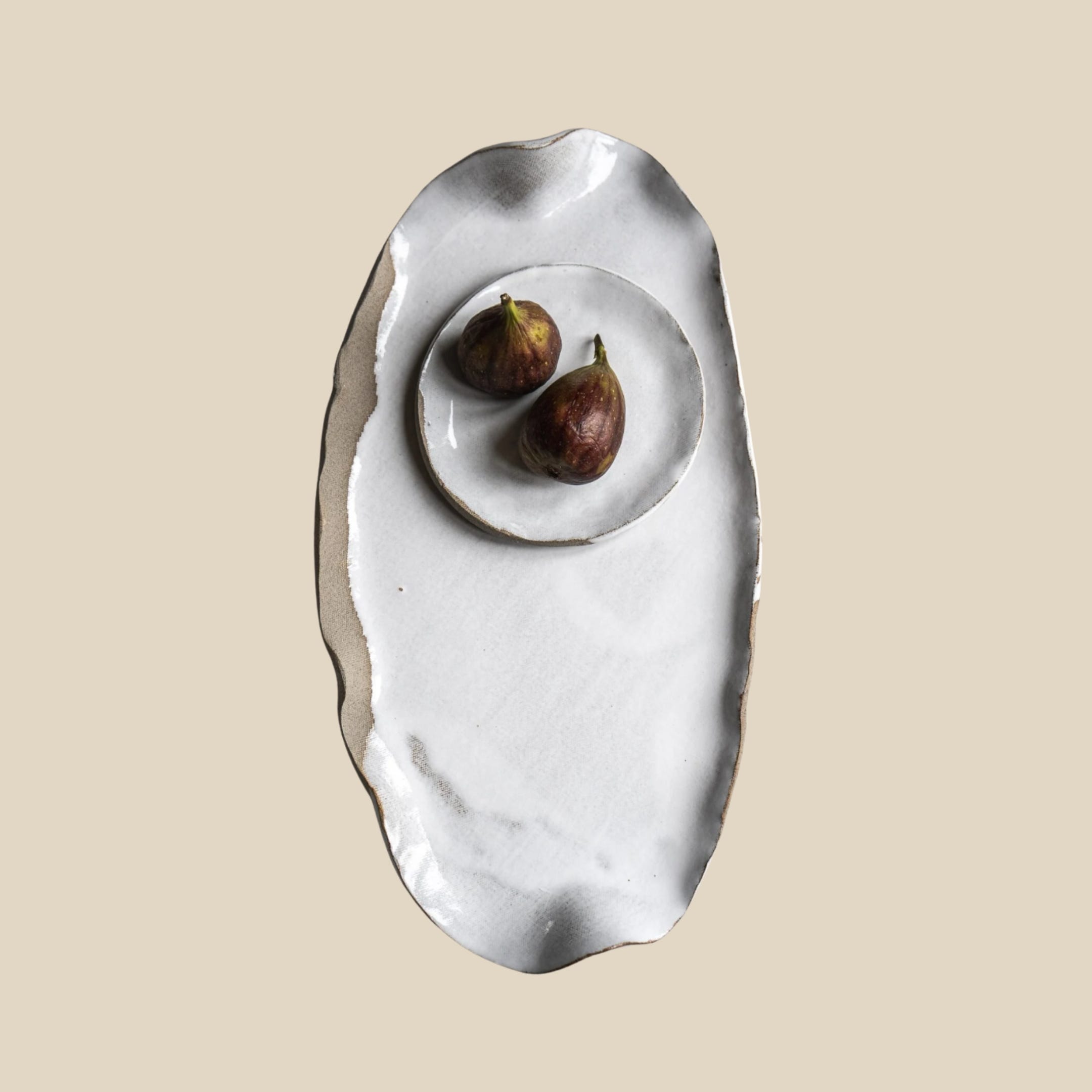
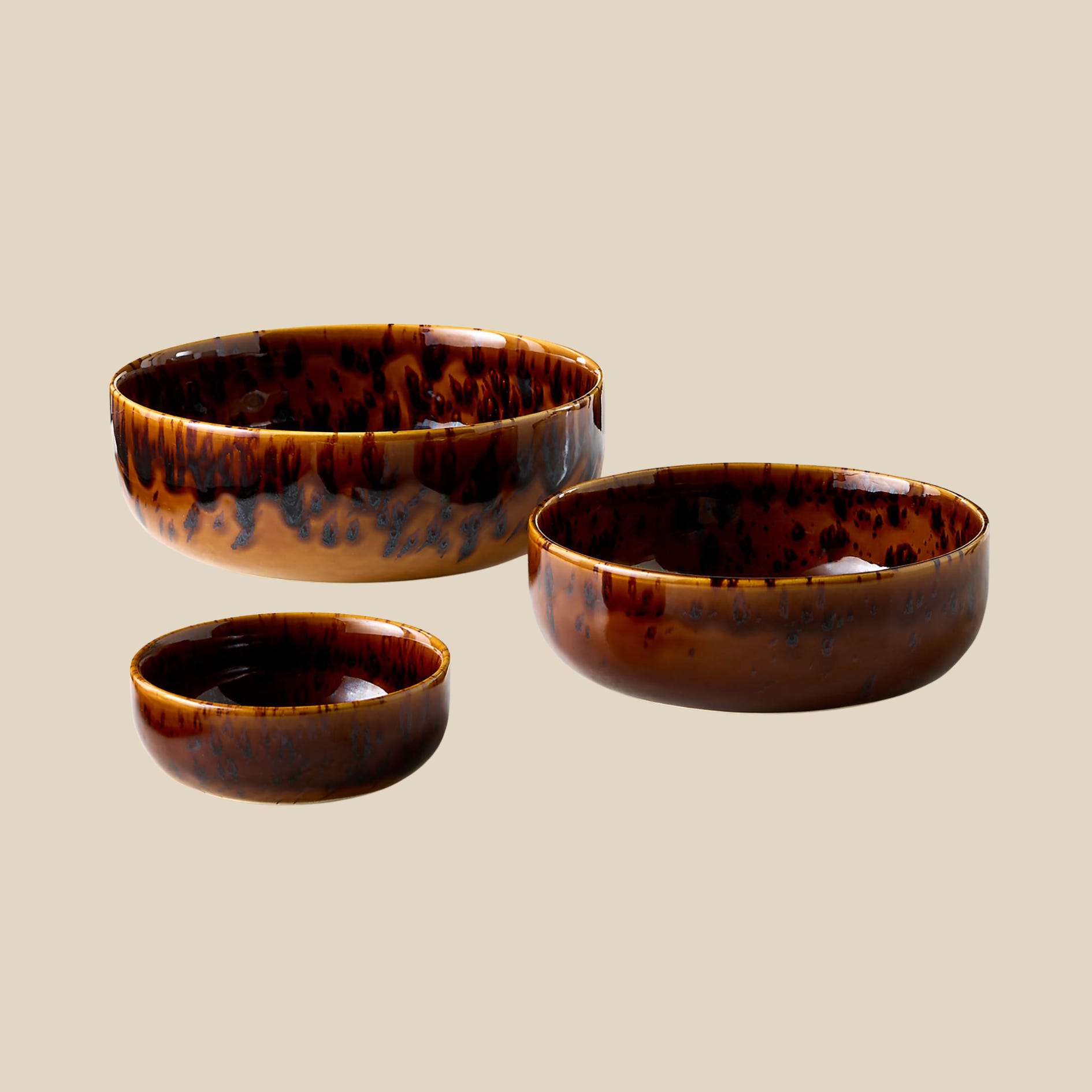
Tea time should be taken seriously, and it never arrives unaccompanied. Snacks are a must. That means I’ve been eyeing a few new pieces of tableware.
Side note, I had a colour analysis done, and it’s all I’ve been talking about with my friends. Now that I know I’m a dark/deep autumn, it suddenly makes sense why I’m drawn to certain tones, which you’ll spot as you scroll.




Thank you for reading The Other HAFH. Subscribe for free today to receive more posts like this one straight to your inbox.
😭🥹💛
💕💕💕