

If you’ve returned from a trip and struggled to answer, “How was it?”, this one’s for you.
It’s a deceptively simple question. Most people expect an easy response.
“It was amazing!”
“The weather was terrible.”
However, some places aren’t about what happened so much as how they made you feel.
There’s a certain type of traveller (often the checklist and itinerary kind) who believes destinations are defined by what you see and do. They’ll tell you about the Michelin-starred restaurants they visited, the 13th-century basilica they toured, or the markets they browsed. And that’s a valid approach.
But then there are trips that defy itineraries. The ones where, if pressed, you wouldn’t know how to sell the experience beyond it just felt right. You didn’t do much, but something about the air or the pace of life left an imprint.
For centuries, travel, at least for the privileged, was a structured pursuit—something to be done with purpose. The Grand Tour emerged as a rite of passage for young European aristocrats in the 17th and 18th centuries, and it was all about seeing, collecting knowledge, absorbing culture and accumulating proof of refinement.
You went to Rome to see the ruins. Venice to study art. Paris to gain polish. Travel was about self-improvement but only in the tangible sense, i.e. what you could learn, document and bring back.
This approach hasn’t really disappeared. The urge to see is still very much dominant, as travel is often measured by what we did and the experiences we secured.
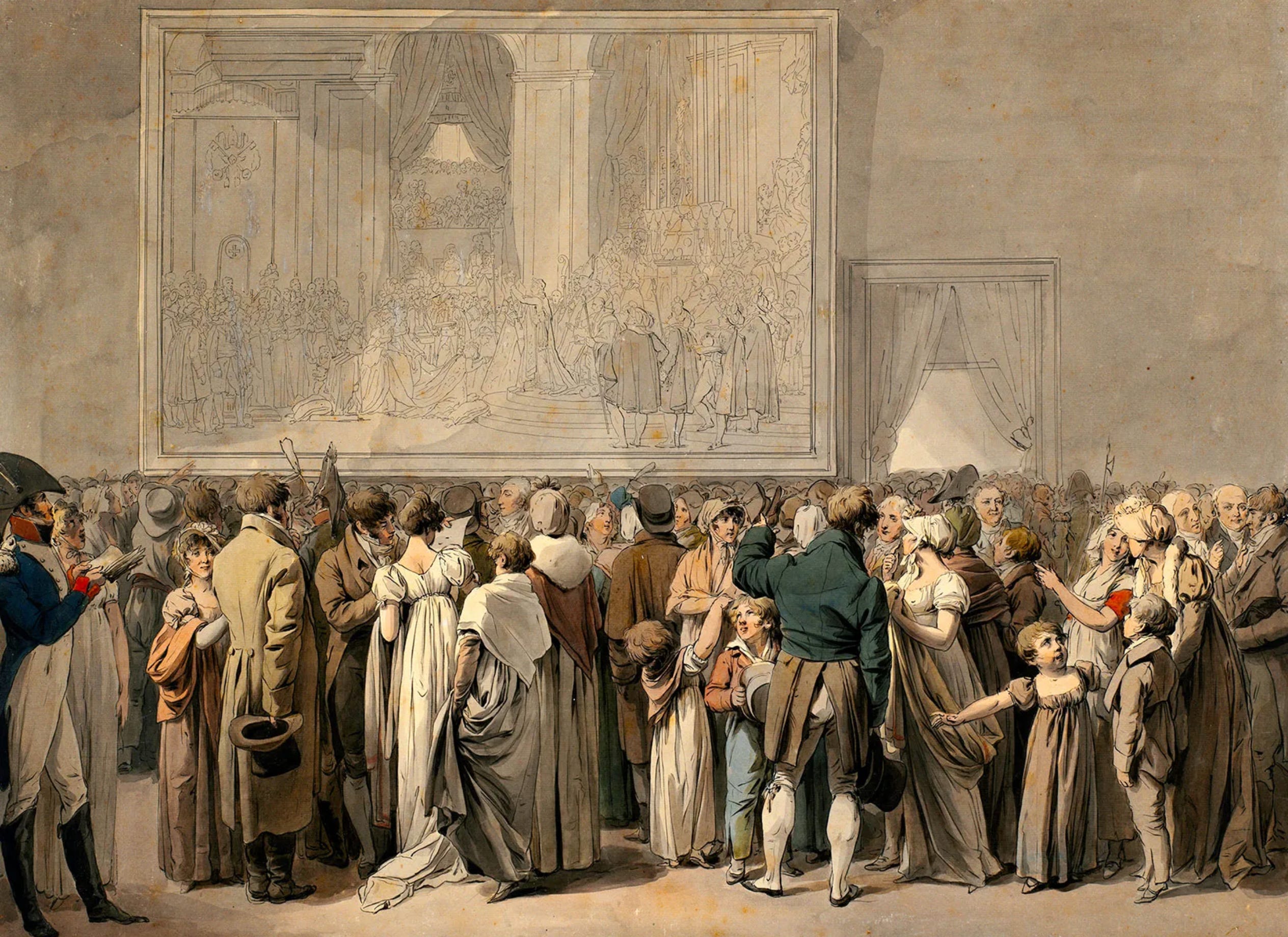
But then there’s the Flâneur—the anti-tourist, a concept born out of 19th-century Parisian modernity, and popularised by Baudelaire and Walter Benjamin.
The Flâneur moves through the world without an agenda. He observes. He lets the city unfold at its own pace, and his form of travel is not about accumulation but absorption. Instead of a planned itinerary, he drifts, letting the place dictate his movements. Not the other way around.
It was Honoré de Balzac who referred to flânerie as ‘the gastronomy of the eye’—a very fitting description. Because ultimately, it’s a way of devouring a place without possessing it. You can taste a city’s essence without ever needing to collect proof of having been there.
If the Grand Tourist travels for status, the Flâneur travels for the sake of movement itself.
Some might argue that feeling alone isn’t enough, that without something tangible, like a landmark or a notable experience, travel risks becoming aimless.
But isn’t that part of the point?
Some places leave their mark not through what you see and do but through their ability to shift your state of mind. They settle into your memory in ways that are hard to explain but impossible to forget or ignore.
It’s the specific alchemy of place and presence. The way a city’s rhythm somehow syncs with your own internal pace.
This is why some of the best trips aren’t about anything, really. The better days tend to be the ones where time moves differently, at least, for me. A long morning spent people-watching in a café. An unplanned walk that leads to somewhere unexpected. A stretch of coastline that felt like it existed just for you.
There’s a reason certain places call us back. Not because there’s still something left to see, but because we want to feel that way again. Maybe that’s why some destinations become almost sacred. When we say, “I love this place,” what we often mean is, I love who I am here.
So, is travel about seeing or feeling? The answer, predictably, is both. There ought to be a balance—moments of awe mixed with spaces to absorb them. The seeing gives us reference points. But the feeling gives us reason to return.
And that’s the thing about a truly great trip; it’s never just about where you went. It’s how it changed you. If at all.