

Note for email readers: this post may be cut short in your inbox. For the full piece, please read the web version.
Our affinity for certain places seldom makes complete sense. We can always come up with reasons afterwards as to why a hotel was good—maybe the bed was especially comfortable, or the food was a cut above. But these things don’t fully explain why one place stays in our memory, while another, just as polished and packed with amenities, fades away.
The last time we catalogued what makes a hotel good, we began with the more visible signs of care: handwritten notes, decent slippers, that sort of thing. Then we moved on to the less glamorous but equally valid details, like blackout curtains or enough space on the bathroom counter. You can catch the full list here:

We could easily come up with another 50. Hotels give us an ample supply of small delights and minor irritations. This time, however, we wanted to look beneath the surface, given that some of the most consequential details aren’t things at all. They’re judgements about behaviour and mood. And they’re the difference between being looked after and being interrupted.
Which raises a key question: can any of this actually be taught?
Service can. There are standards and scripts for almost every conceivable interaction. But hospitality isn’t mechanical. It requires sensitivity to another person. A training manual can tell you what to do, but teaching someone to care about why that matters is a little more iffy.
This may be why hospitality has historically been viewed as something much larger than service. We’ve written before about the Sanskrit principle atithi devo bhava—the guest is akin to God—which places the treatment of a stranger within an ethical framework. Ancient Greek xenia similarly understood hospitality as an obligation between host and guest. In both cases, hospitality begins not with a transaction but with an attitude towards another person.
These days, that ethic has been translated into protocols. But protocols can only take you so far, and while attentiveness can’t be manufactured from scratch, it can be cultivated. After all, culture determines what’s worth paying attention to; leadership can give people the confidence to use their judgement; thoughtful design can make considerate behaviour much easier.
That’s the territory of this second list.
It’s also territory Emma Näpänkangas explores exceptionally well in The Philosophy of Hospitality. If you’re interested in the industry not simply as a business, but in what it suggests about the way human beings relate to one another, it’s well worth subscribing if you haven’t already done so.
With that in mind, consider this our latest attempt at appreciating the many decisions that turn service into hospitality.
When the receptionist can read the room and doesn’t start doing a property tour if you look like you may pass away from exhaustion (or boredom) during it.
When check-in occurs somewhere else than the traditional front desk. Maybe you are brought to a lounge seat situation and handed a welcome drink. Which brings me to…
An interesting welcome drink that’s somehow related to the place you are in; something with local ingredients. If it’s Finland, it could be a cloudberry and spruce spritz, or in Istanbul, a rosewater and pomegranate refresher. A little extra effort goes a long way.

Or sweet tea in the South. The staff remembers your coffee order the next day.
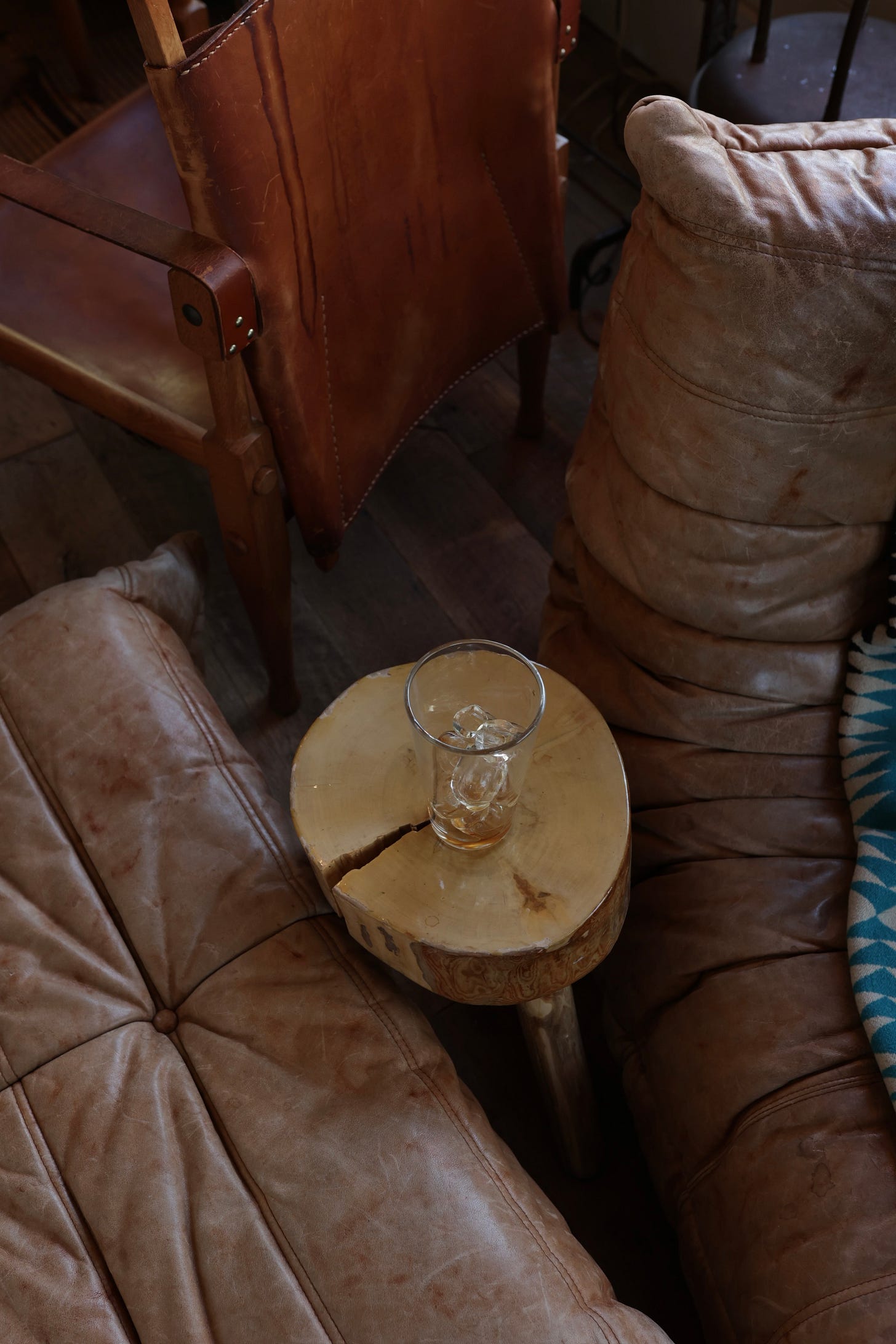
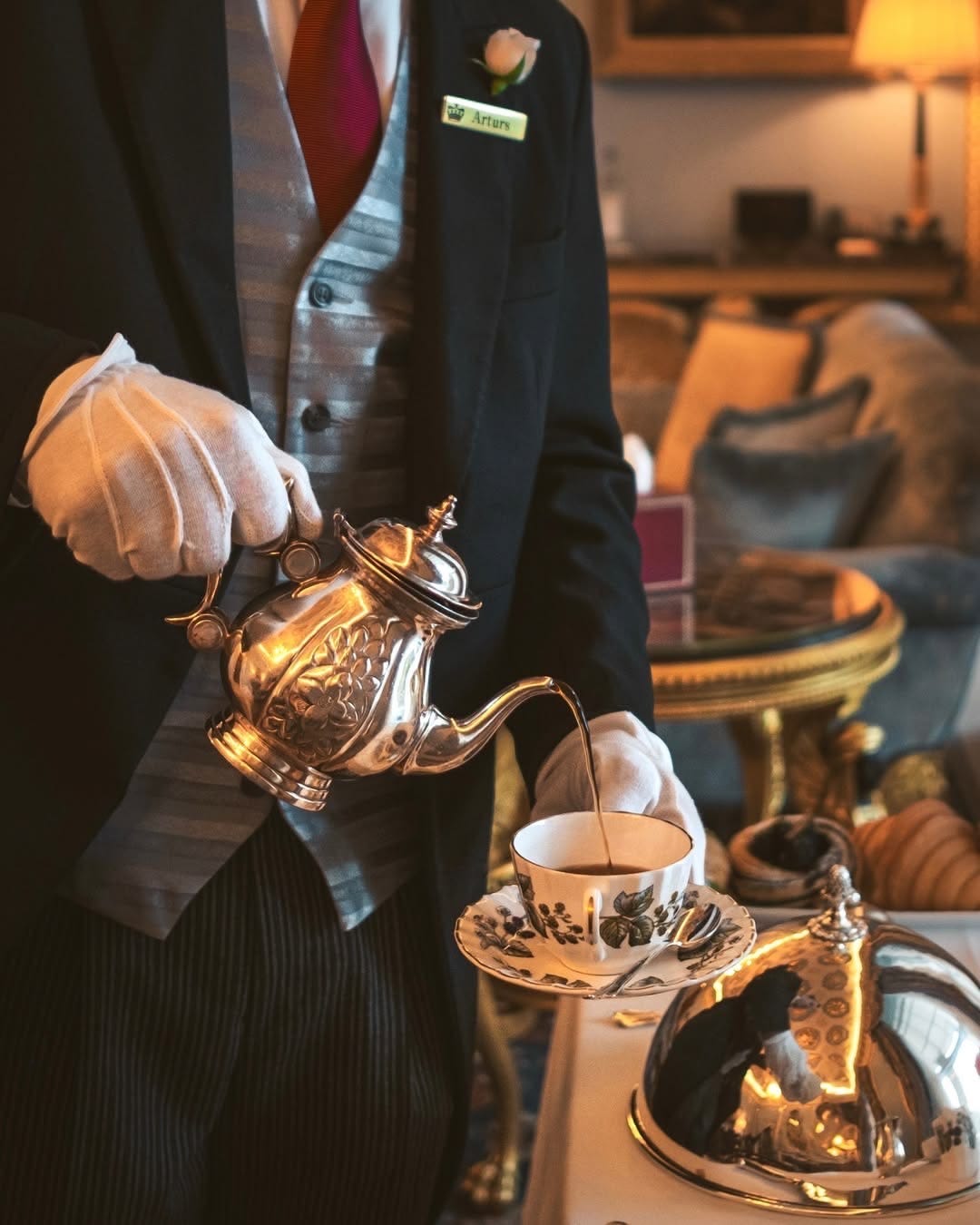
It’s always nice when you’re offered a top-up as soon as your glass is empty. When they notice your dietary preference from dinner the night before and adjust breakfast without being told.
A personal greeting from the general manager or manager on duty. So classy!
When staff remember (or appear to remember but it was written down in the CRM) a detail about your previous stay. This applies for restaurants too: Frantzén in Stockholm notes down things such as how you prefer your water and if you compliment a certain dish, data which is then used to make your next visit even better.
The staff member or doorman who offers you an umbrella at the door because they are aware of the weather conditions.
A sense of unhurriedness in interactions with staff, where the focus is on you and your experience only.
Staff that communicate with each other so that you don’t have to repeat yourself on a request or preference that you have already expressed.
The overall feeling that everyone who works there wants to be there and embody hospitality.
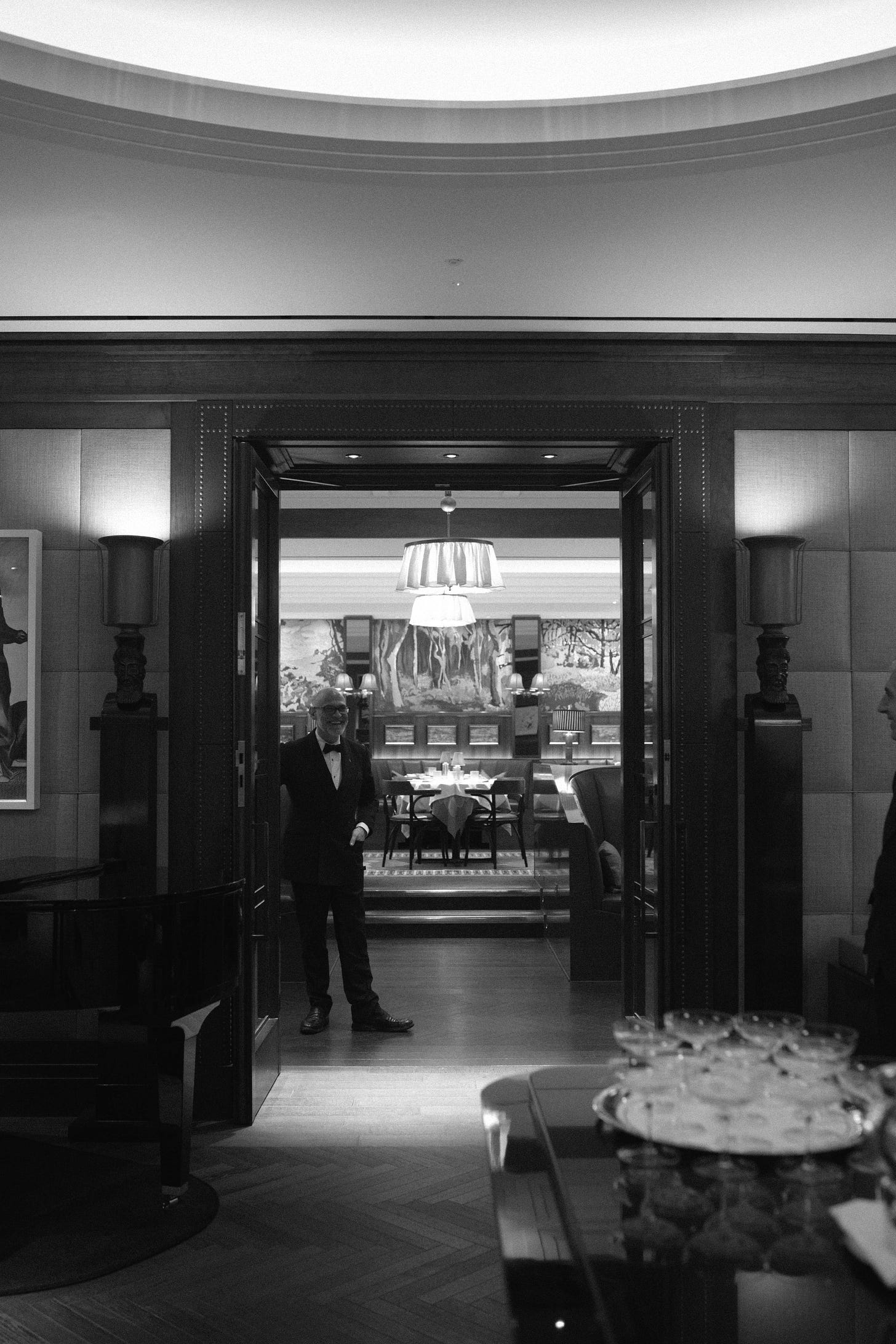
A smile goes a long way! When they notice you are working in the lobby and bring you water without interrupting.
Dietary restrictions are taken into account in everything. Now most luxury hotels ask you to fill in a pre-arrival form with this information, so there’s no reason why the cookie in the room shouldn’t be vegan if you have told them you are.
If you mention you are seeing a specific site or going to a concert, for instance, they ask how it was the day after the event, or ask the day of if you need a ride to the venue.
When the chef comes out because they want to know if you enjoyed the meal.
A manager who jumps in to clear a table during a rush instead of standing and supervising is a beautiful thing to witness.
When they notice you used all the bath salts and double them the next night (applies to all in-room amenities!)
When the staff says ‘my pleasure’ instead of ‘no problem’. HUGE difference
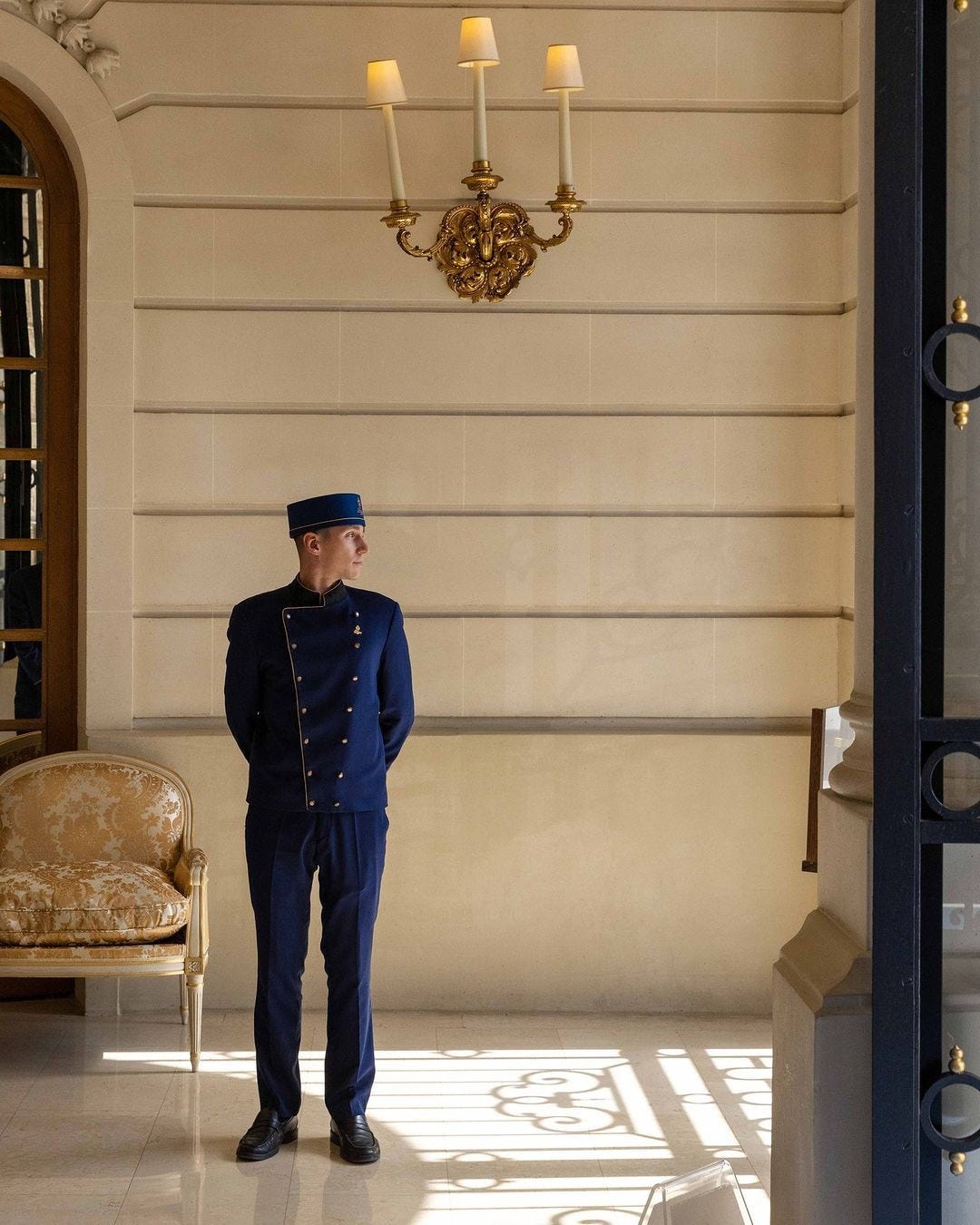
An attentive doorman who opens the door when you want to step out. (Note from Emma: I was staying at an unnamed Boston hotel earlier this year, the doormen wore fantastic uniforms and looked the part, but 9/10 times they did not notice me walking up and I had to open the door myself lol.)
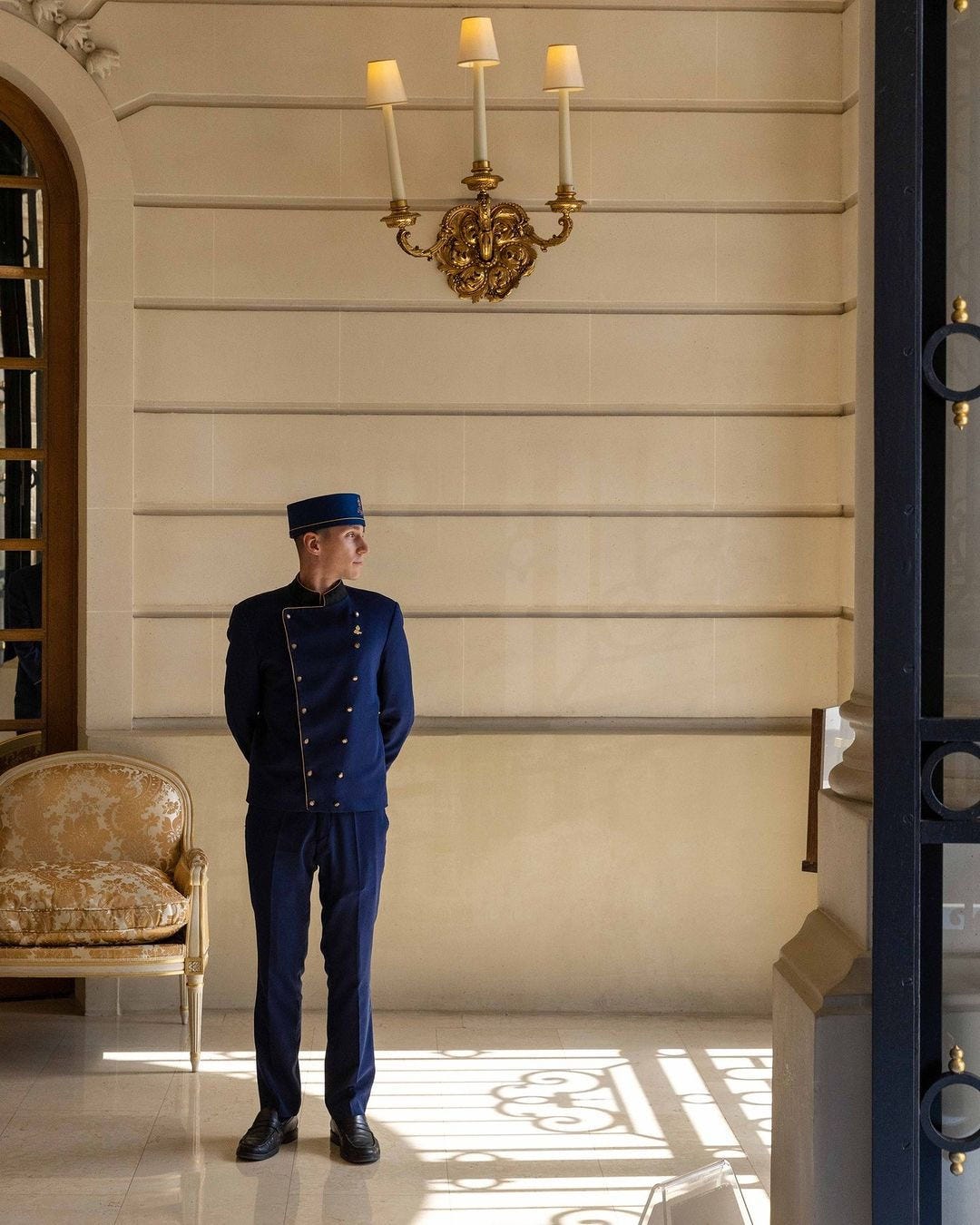
When staff note a specific interest of yours and are able to give personalised recommendations around it.
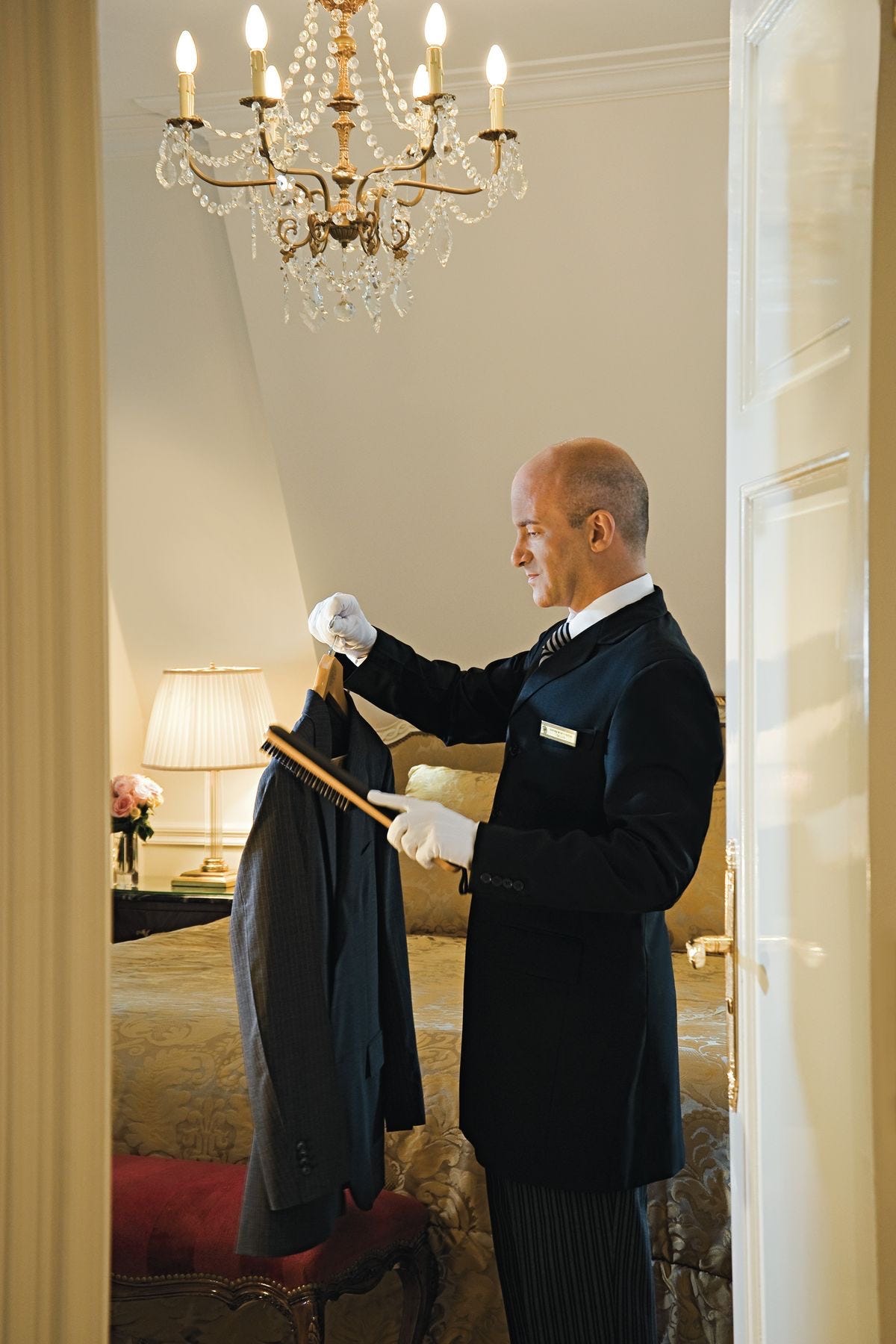
When the hotel notices a broken item (e.g., hole in shirt) and offers to have it fixed.
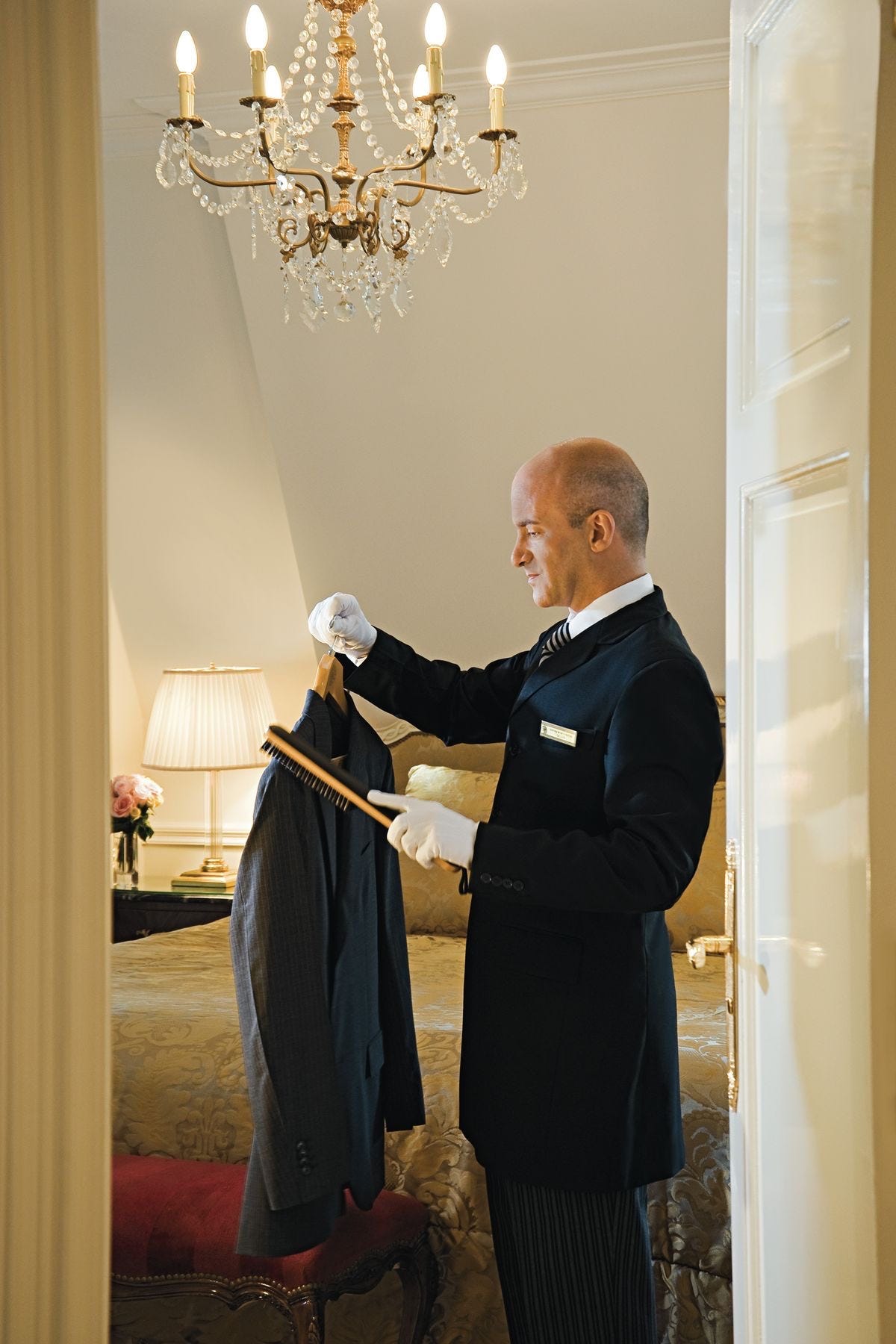
Insider from Rosewood: doormen have earpieces through which they can alert reception to arriving guests, allowing staff to come and greet them at the door.
When housekeeping somehow knows when you’ve left the room. No knocking at 9 am, no repeated attempts while you’re getting dressed and no returning later in the evening to find the room still untouched after requesting service.
Your room is ready for when and how you’re arriving. Curtains drawn and lights low after an evening flight; bright and open if you arrive in the middle of the day. The room shouldn’t be frozen in its default setting.
When more hangers appear after you’ve clearly run out. Wonderfully mundane, and proof that someone paid attention.

How cool are these hangers? When you can ask an obvious question without being made to feel stupid. Good hospitality explains or helps without ever making it seem like you should’ve known already.
When staff are allowed to use common sense. Not every situation requires an exception, of course, but there are moments when the best response is the most human one.
The little water marks around taps are wiped away. A small housekeeping detail that makes a bathroom look pristine.
When ‘no’ is explained with some imagination. A hotel might not be able to give you exactly what you asked for, but they’ll try to leave you with an alternative instead of a dead end.
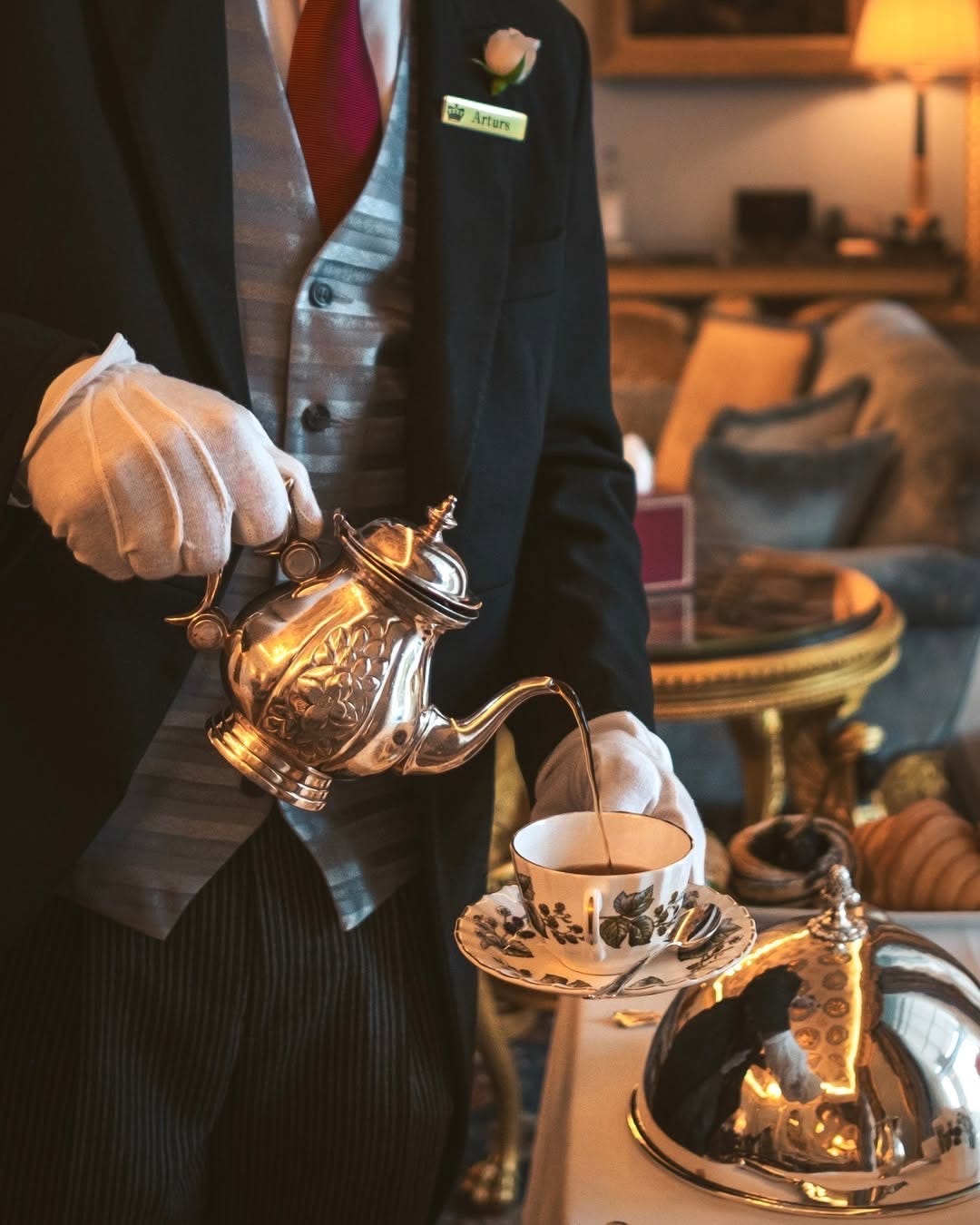
When someone notices you’re waiting. Even if they can’t help immediately, eye contact and acknowledgement can be comforting.
The background music knows what time it is.
Public bathrooms receive the same care as the spaces designed to impress you. Attention to detail means rather less if it vanishes the moment a room is considered secondary.
Checkout doesn’t undo all the goodwill built during the stay. No mysterious charges, no forensic minibar investigation—it’s odd to spend several days treating someone as a guest and then suddenly regard them with suspicion.
Departure is treated as part of the experience as opposed to the moment hospitality ends. Bags already waiting, car correctly timed, water for the journey and someone actually saying goodbye.
When your dignity remains intact after something goes wrong. Misunderstandings and mistakes should be handled so gracefully that you never feel embarrassed.
When staff can tell the difference between a guest who wants conversation and one who clearly doesn’t. Sometimes, a bit of banter is fun. Other times, not so much.
When the hotel has thought about the awkward hours in between. For example, if late checkout isn’t possible, there should be an answer to the six hours between losing your room and leaving town.
A solo guest is treated as completely normal in the restaurant. No ‘just one?’, no assumption that they’re waiting for someone.
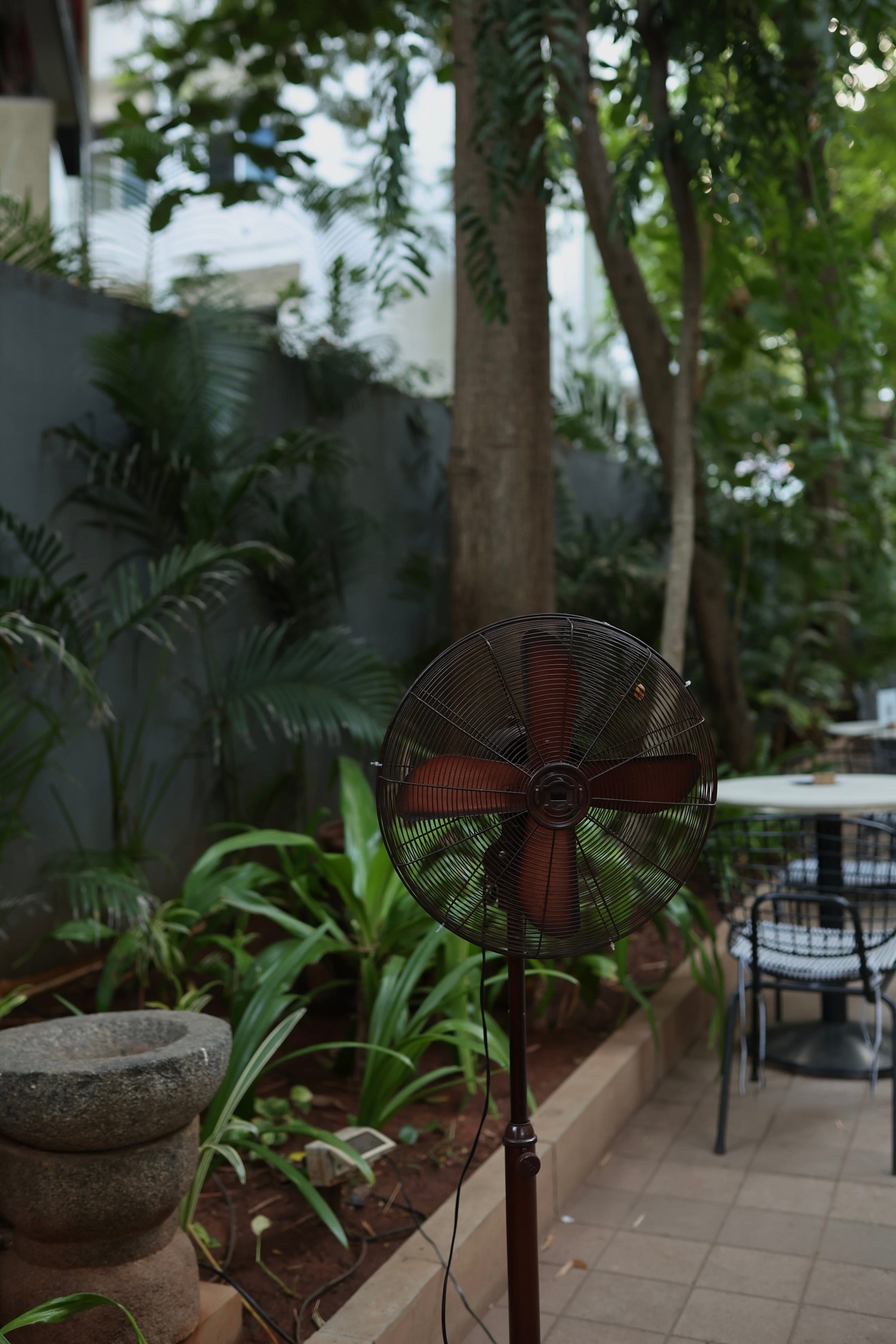
When staff can tell that you’re too cold or too warm, and offer to move the heater closer to you, bring you a blanket or provide you with an extra fan.
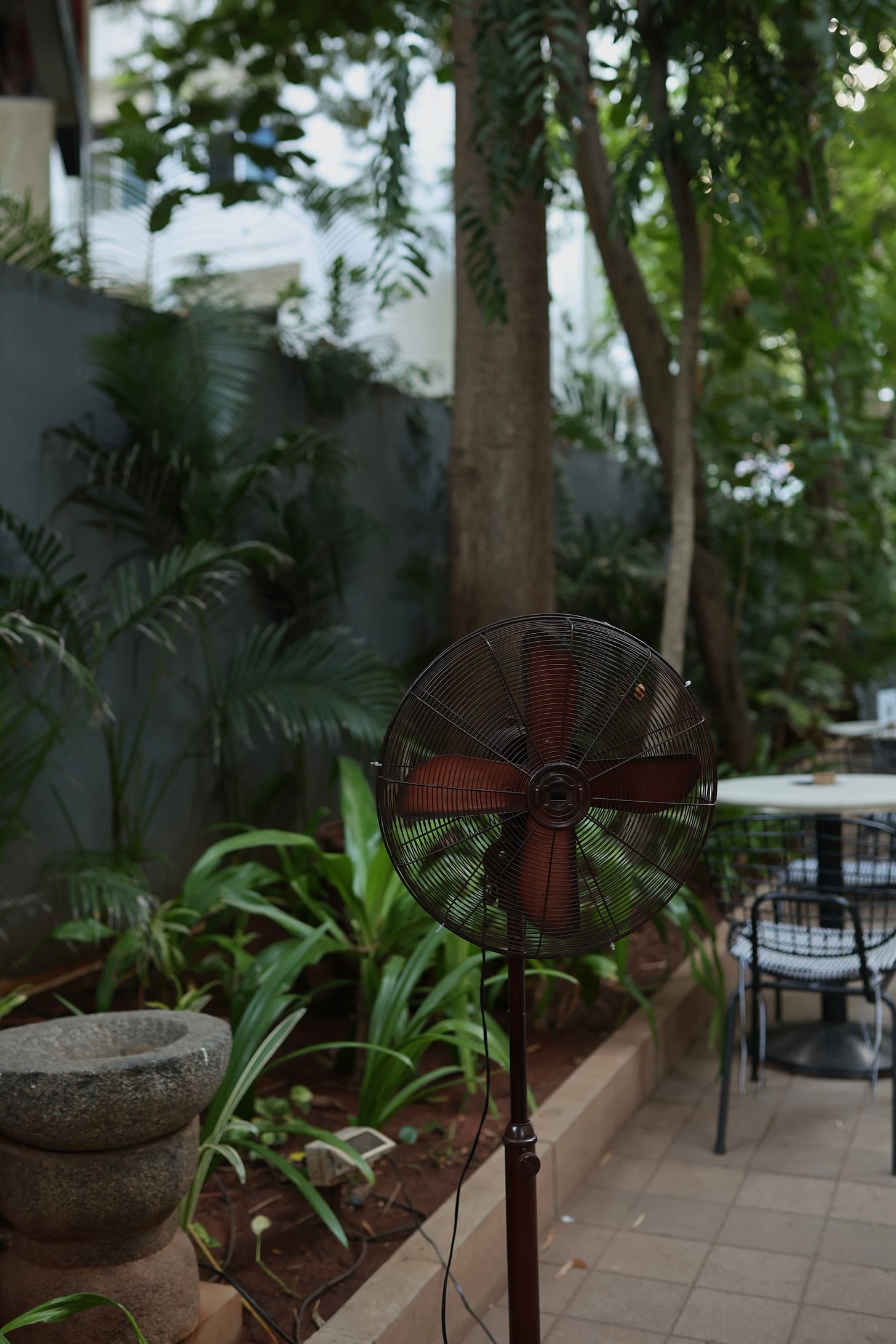
Children are acknowledged as guests, not logistical nightmares, and ideally without turning the experience into primary-coloured ‘family programming’. Also, children require a different kind of patience, and parents or caregivers deserve some grace. (Note from Sanchita: I vividly remember being eight years old, on holiday in Rome, when I accidentally dropped a glass at breakfast. I immediately welled up, convinced I had done something terrible. The waiter rushed over, reassured me that accidents happen, and kept checking in for the rest of the meal to make sure I was in good spirits.)
When a pet-friendly hotel actually understands what having a pet means. For example, somewhere sensible to walk, or water bowls provided. It goes beyond just charging a pet fee.
When the restaurant clocks your pace. Good service isn’t universally fast or universally leisurely; it moves at roughly the speed you want it to.
When the staff ask when you’d like your breakfast coffee or tea to be served. Maybe you want it several minutes before the food, maybe with the meal, or maybe once you’ve nearly finished eating. This isn’t mandatory, but it’s a nice acknowledgement that everyone has their own morning ritual.
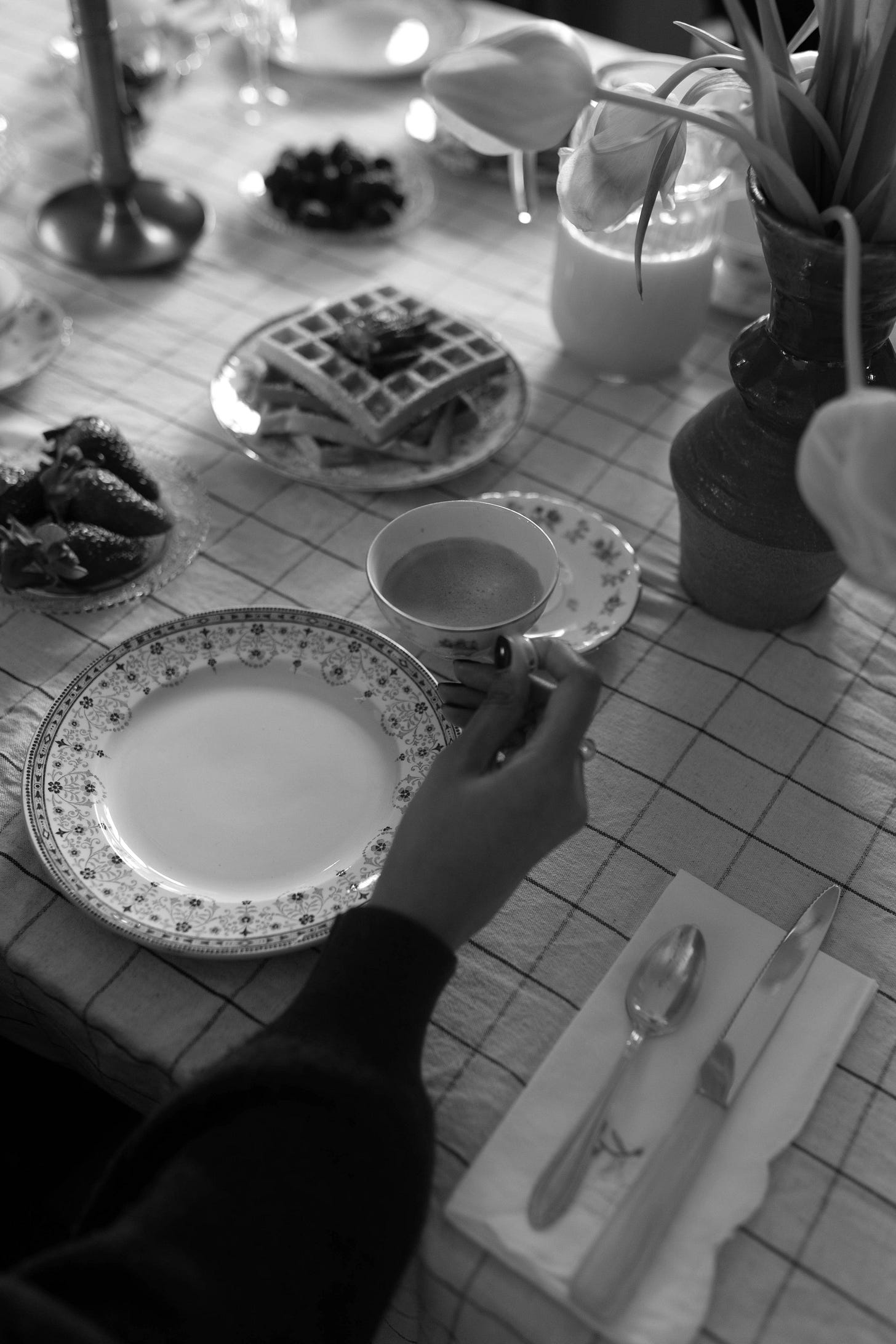
When someone notices you’ve finished eating without repeatedly asking if you have.
When poolside service doesn’t require semaphore. You shouldn’t need to make desperate eye contact for 20 minutes to order something.
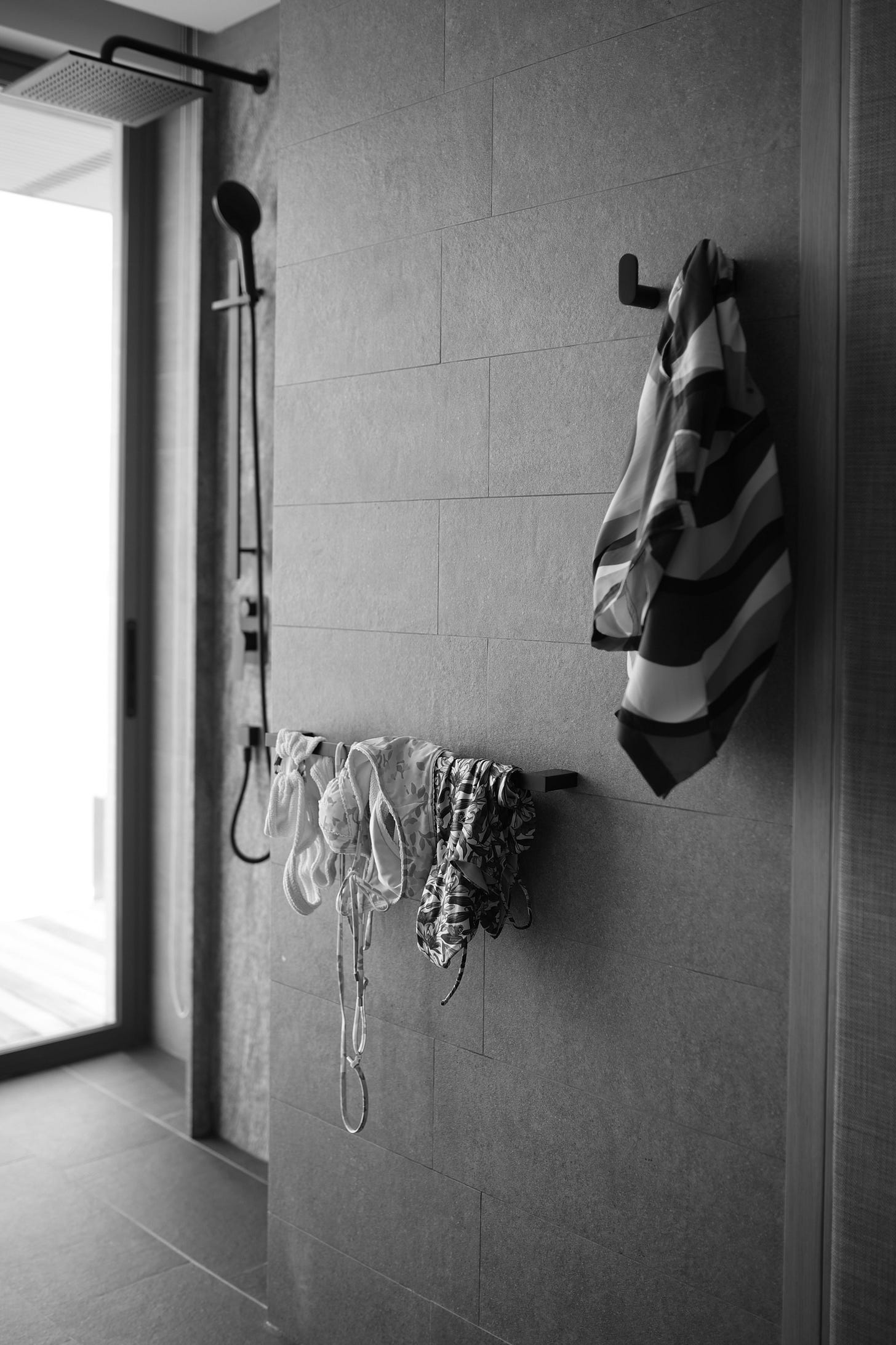
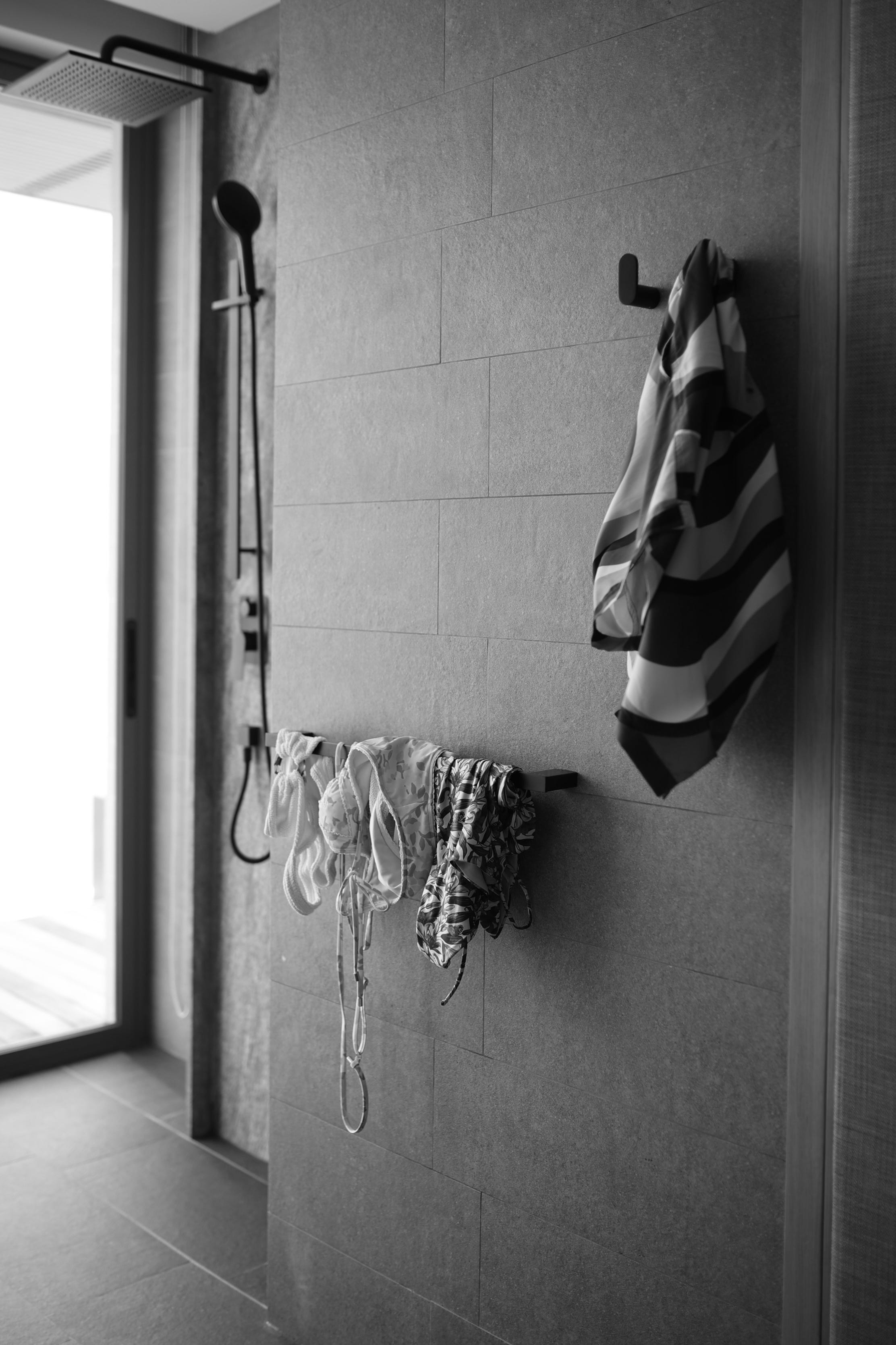
A proper place for a wet swimsuit—a hook, drying rail or waterproof bag. It saves the guest from having to improvise.
When the mirrors are spotless. Especially the magnifying ones. It’s a detail we rarely praise, but neglect becomes obvious immediately.
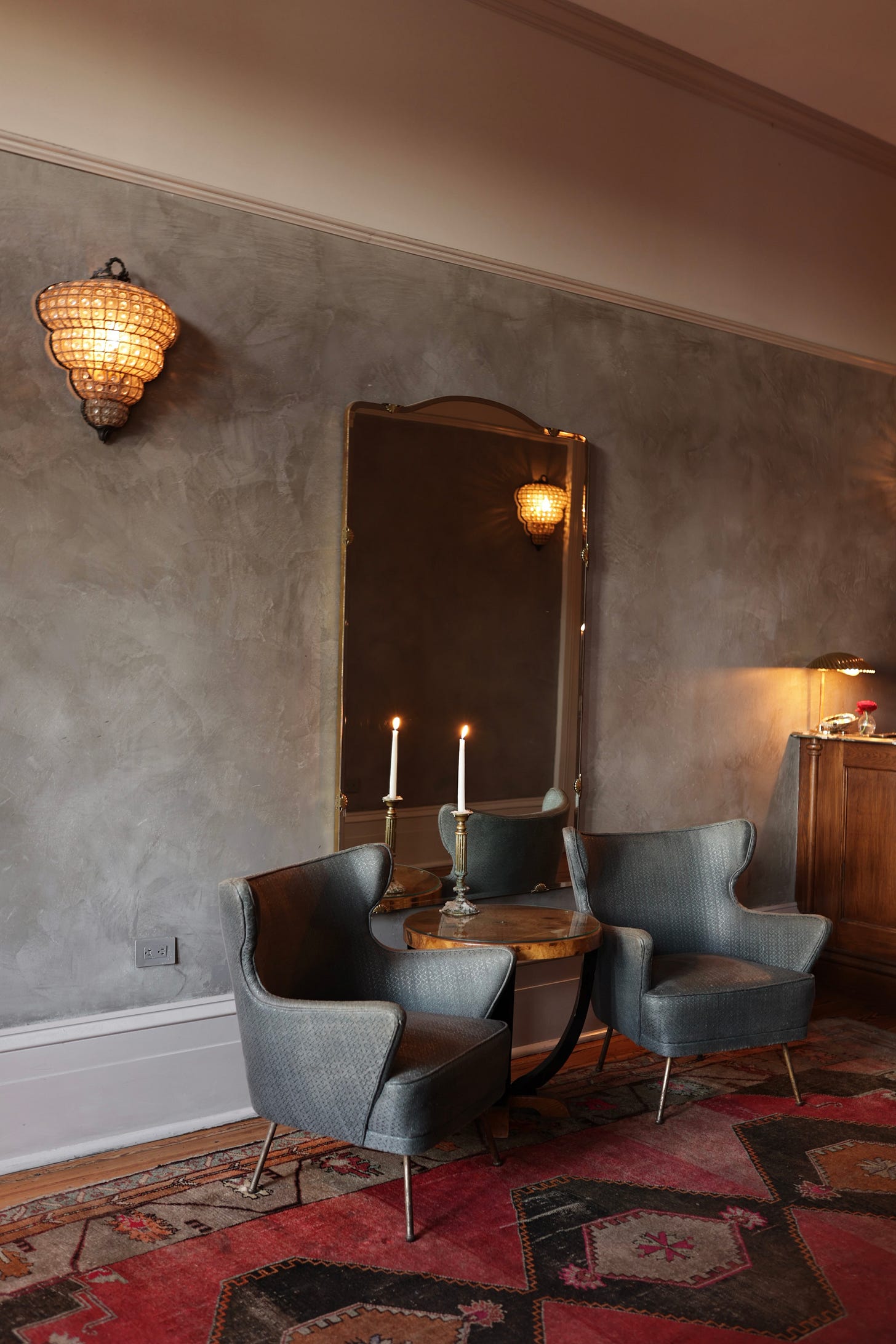
The mirrors in the public spaces of this hotel remained spotless. When housekeeping notices you’ve rearranged something for a reason and doesn’t reset it. Sometimes it’s better to resist the urge to put everything back ‘properly’.
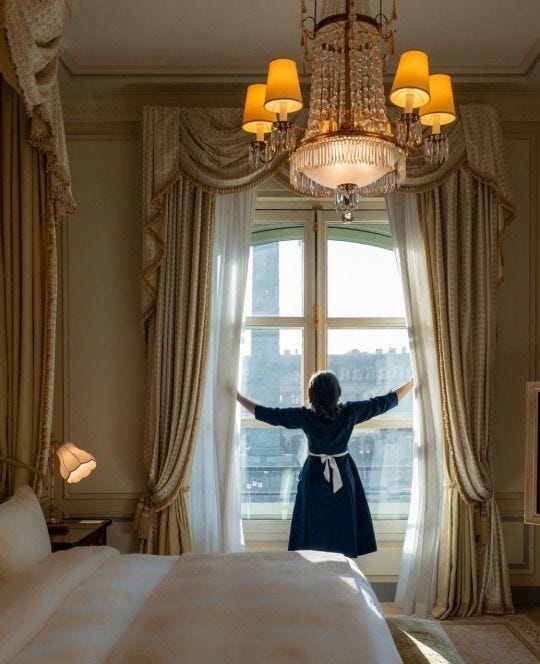
When staff see that you’re struggling before you have to ask. Looking around for the lift, trying to open a door with your hands full—intervention happens before the request.
When staff use your name naturally, but don’t overuse it. Recognition is lovely, but having your first name or surname injected into every sentence starts feeling off.


Some of these gestures can be taught; others probably depend on instinct. Either way, they’re reminders that hospitality shouldn’t strive for perfection so much as attentiveness.
And now, we’d love to hear from you: what details do you appreciate? And what did we miss?
Our hangouts around this gave me so much joy!! Dream collab
YES